Chen Jizheng, Zhao Yang, Zhang Chao, Chen Hairong, Feng Jin, Chi Xiumei, Pan Yu, Du Jun, Guo Min, Cao Huang, Chen Honghe, Wang Zilong, Pei Rongjuan, Wang Qian, Pan Lei, Niu Junqi, Chen Xinwen, Tang Hong
State Key Laboratory of Virology and the Center for Viral Pathology, Wuhan Institute of Virology, Chinese Academy of Sciences, Wuhan, Hubei 430071, China.
Key Laboratory of Infection and Immunity, Institute of Biophysics, Chinese Academy of Sciences, Beijing 100101, China.
Cell Res. 2014 Sep;24(9):1050-66. doi: 10.1038/cr.2014.116. Epub 2014 Aug 26.
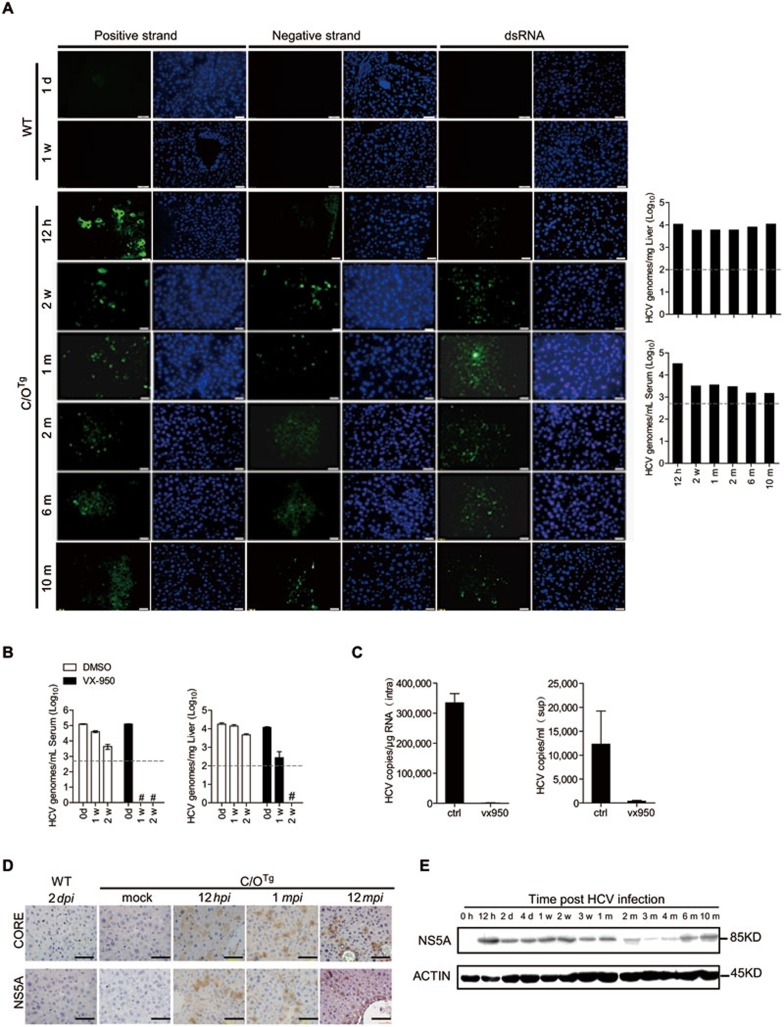
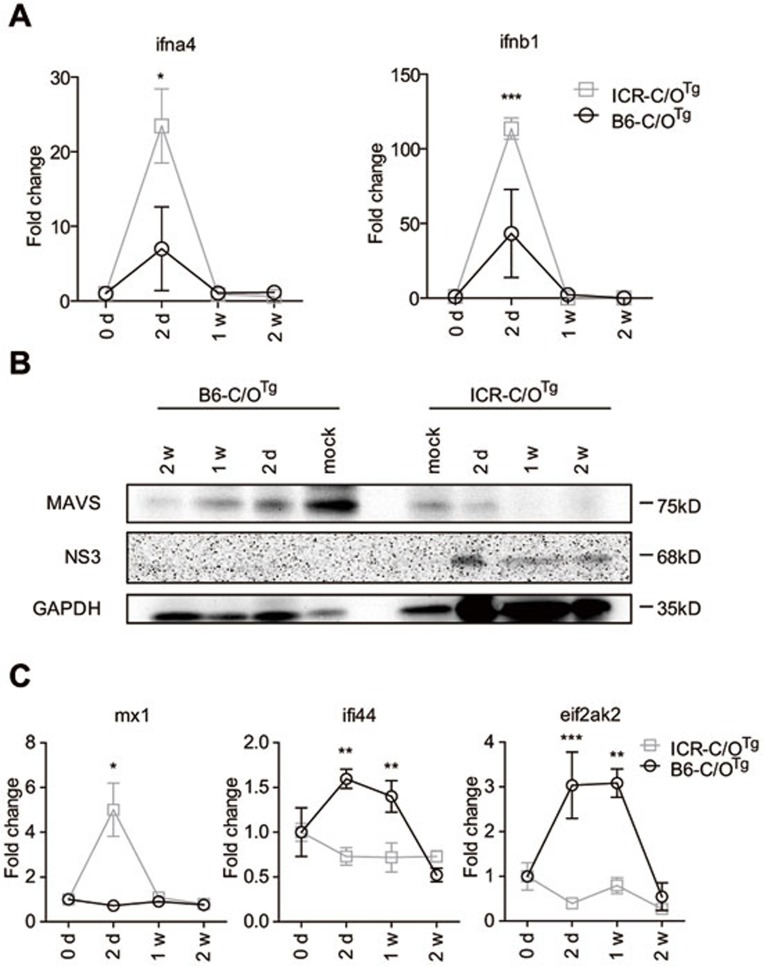
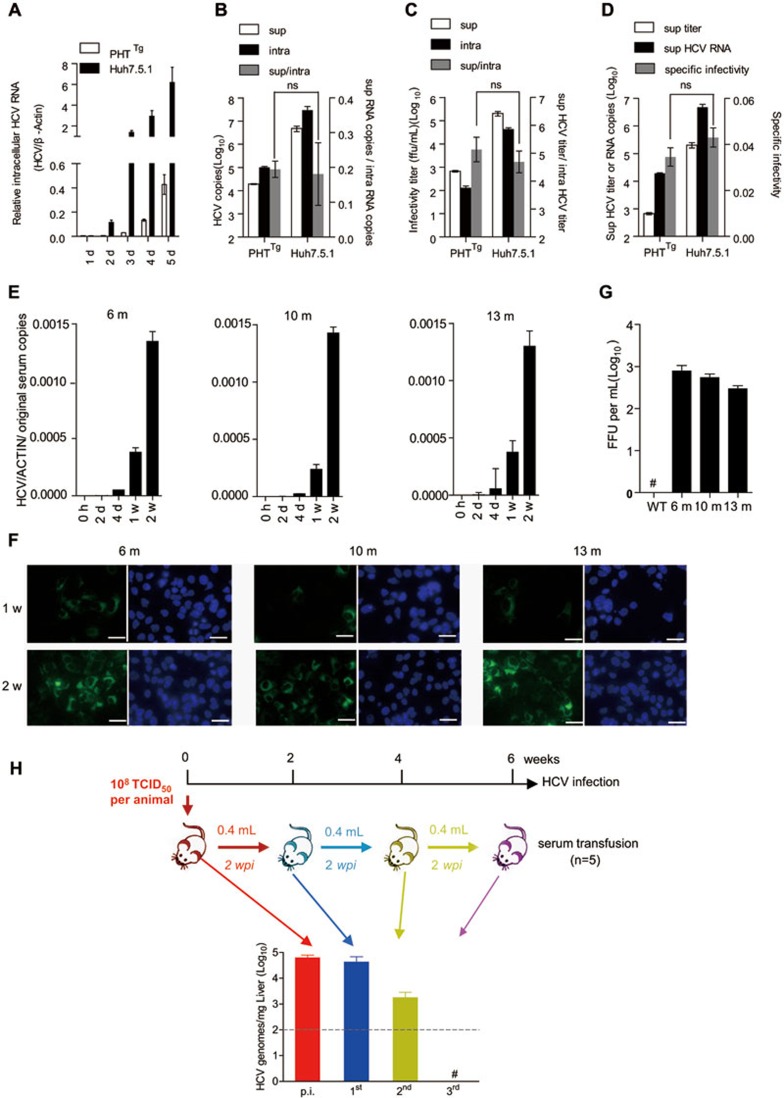
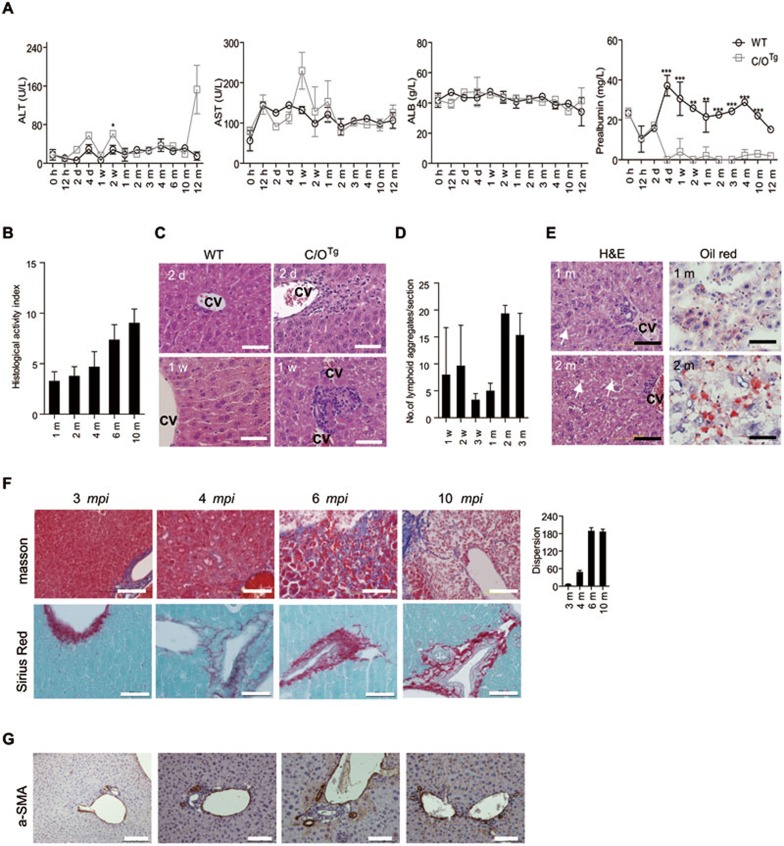
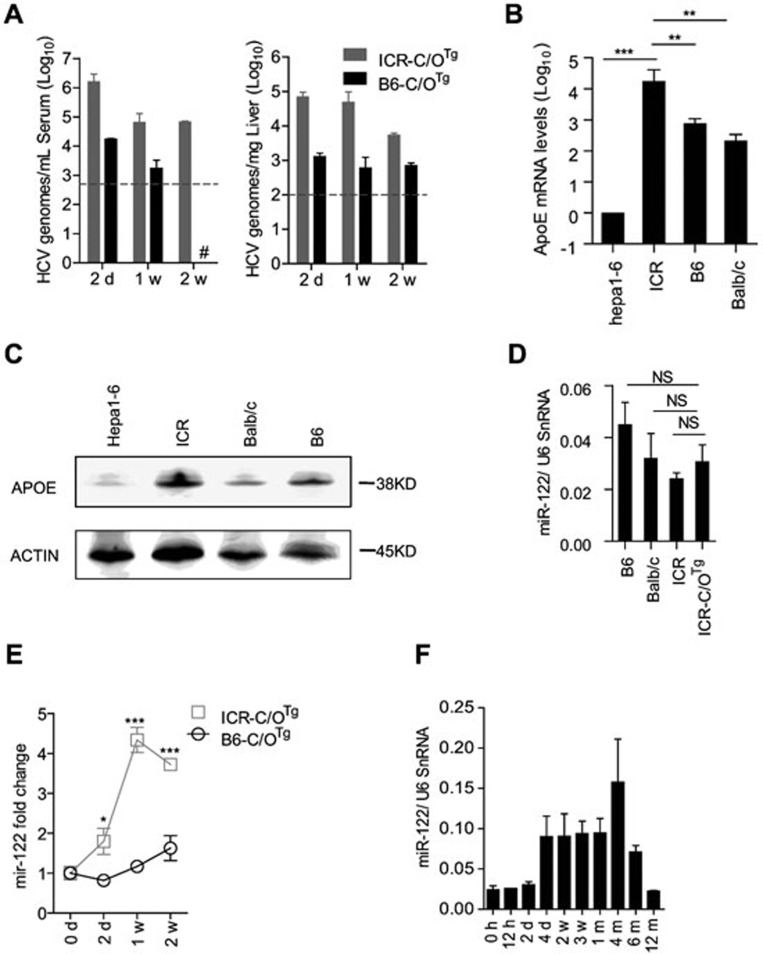
The majority of hepatitis C virus (HCV) infection develops chronic infection, which causes steatosis, cirrhosis and hepatocellular carcinoma. However, understanding HCV chronicity and pathogenesis is hampered by its narrow host range, mostly restricted to human and chimpanzee. Recent endeavour to infect a variety of humanized mice has not been able to achieve persistent HCV infection unless the essential innate immune responsive genes are knocked out. Nevertheless, such immune-compromised humanized mice still lacked HCV infection-induced hepatopathogenesis. Here we report that transgenic mice in ICR background harboring both human CD81 and occludin genes (C/O(Tg)) are permissive to HCV infection at a chronicity rate comparable to humans. In this mouse model, HCV accomplishes its replication cycle, leading to sustained viremia and infectivity for more than 12 months post infection with expected fibrotic and cirrhotic progression. Host factors favorable for HCV replication, and inadequate innate immune-response may contribute to the persistence. Lastly, NS3/4 protease inhibitor telaprevir can effectively inhibit de novo RNA synthesis and acute HCV infection of C/O(Tg) mice. Thus, chronic HCV infection with complete replication cycle and hepatopathologic manifestations is recapitulated, for the first time, in immune-competent mice. This model will open a new venue to study the mechanisms of chronic hepatitis C and develop better treatments.
大多数丙型肝炎病毒(HCV)感染会发展为慢性感染,进而导致脂肪变性、肝硬化和肝细胞癌。然而,由于HCV的宿主范围狭窄,主要局限于人类和黑猩猩,这使得对HCV慢性感染和发病机制的理解受到阻碍。最近尝试感染多种人源化小鼠,除非敲除关键的固有免疫反应基因,否则无法实现持续性HCV感染。尽管如此,这种免疫缺陷的人源化小鼠仍然缺乏HCV感染诱导的肝病发病机制。在此,我们报告在ICR背景下携带人类CD81和闭合蛋白基因的转基因小鼠(C/O(Tg))对HCV感染具有易感性,慢性感染率与人类相当。在这个小鼠模型中,HCV完成其复制周期,导致持续病毒血症和感染性,感染后超过12个月出现预期的纤维化和肝硬化进展。有利于HCV复制的宿主因素以及固有免疫反应不足可能导致病毒持续存在。最后,NS3/4蛋白酶抑制剂特拉匹韦可有效抑制C/O(Tg)小鼠的从头RNA合成和急性HCV感染。因此,首次在具有免疫能力的小鼠中再现了具有完整复制周期和肝病表现的慢性HCV感染。该模型将为研究慢性丙型肝炎的机制和开发更好的治疗方法开辟新途径。