Kim Sungwoo, Bedigrew Katherine, Guda Teja, Maloney William J, Park Sangwon, Wenke Joseph C, Yang Yunzhi Peter
Department of Orthopedic Surgery, Stanford University, Stanford, CA, USA.
Extremity Trauma & Regenerative Medicine Task Area, US Army Institute of Surgical Research, San Antonio, TX, USA.
Acta Biomater. 2014 Dec;10(12):5021-5033. doi: 10.1016/j.actbio.2014.08.028. Epub 2014 Aug 28.
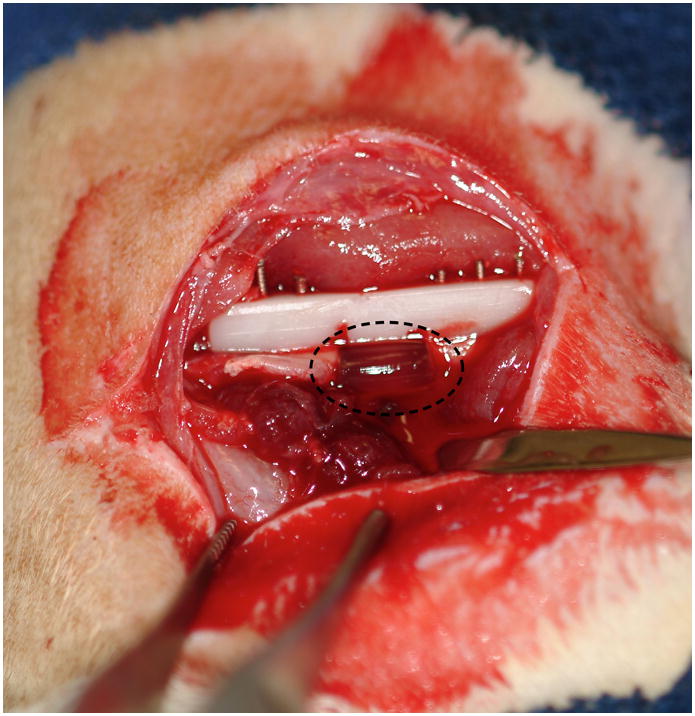
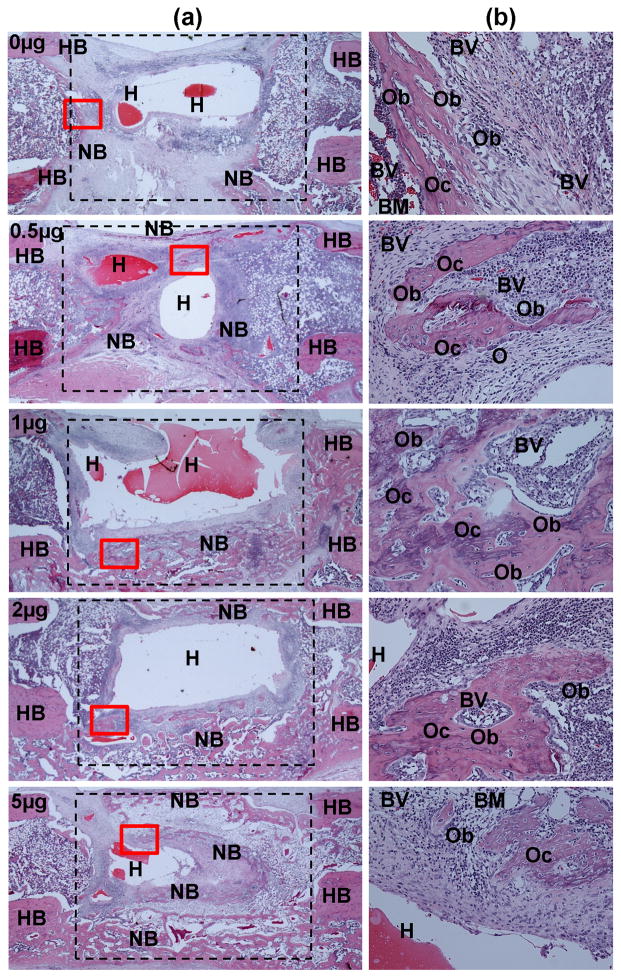
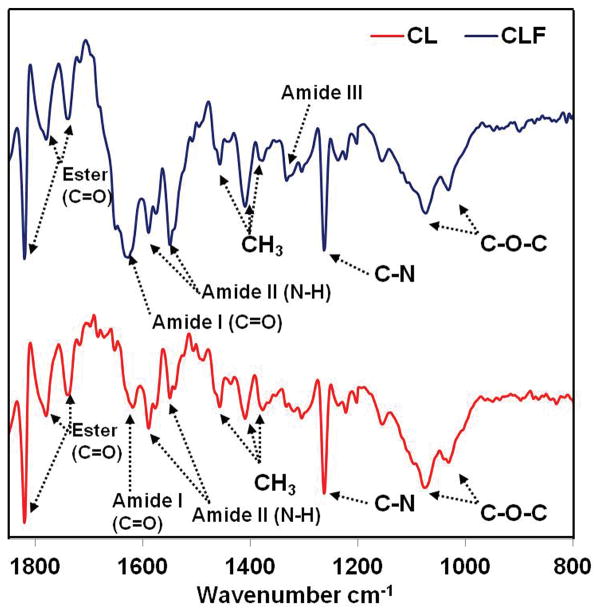
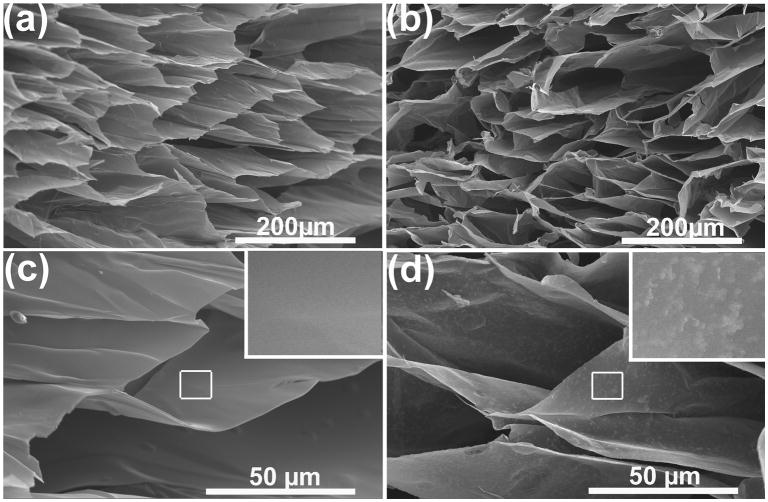
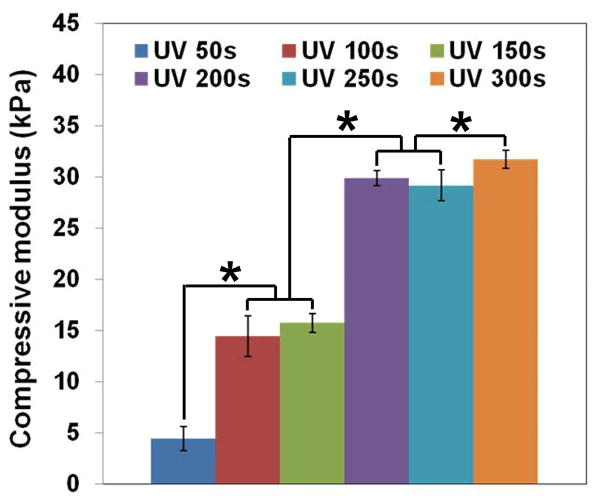
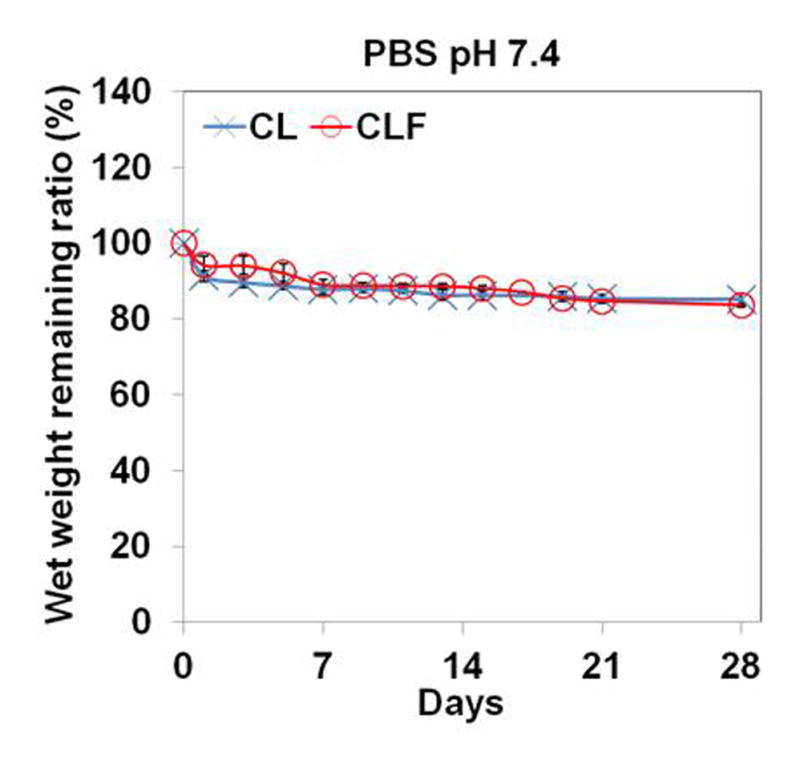
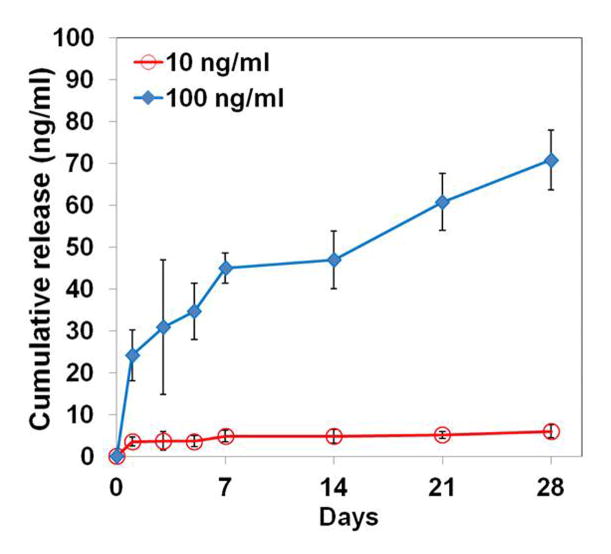
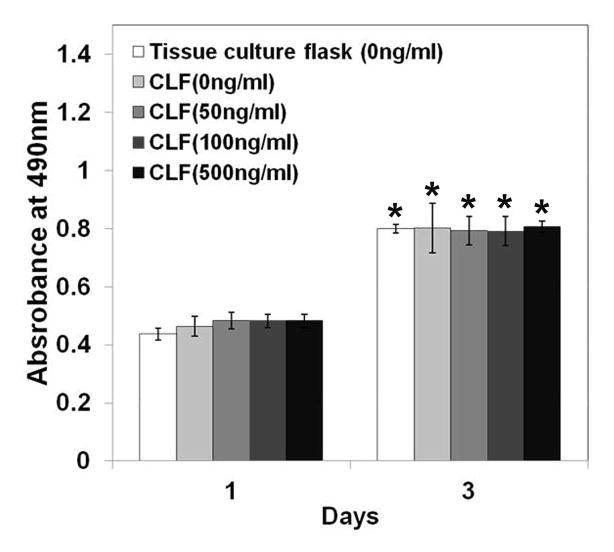
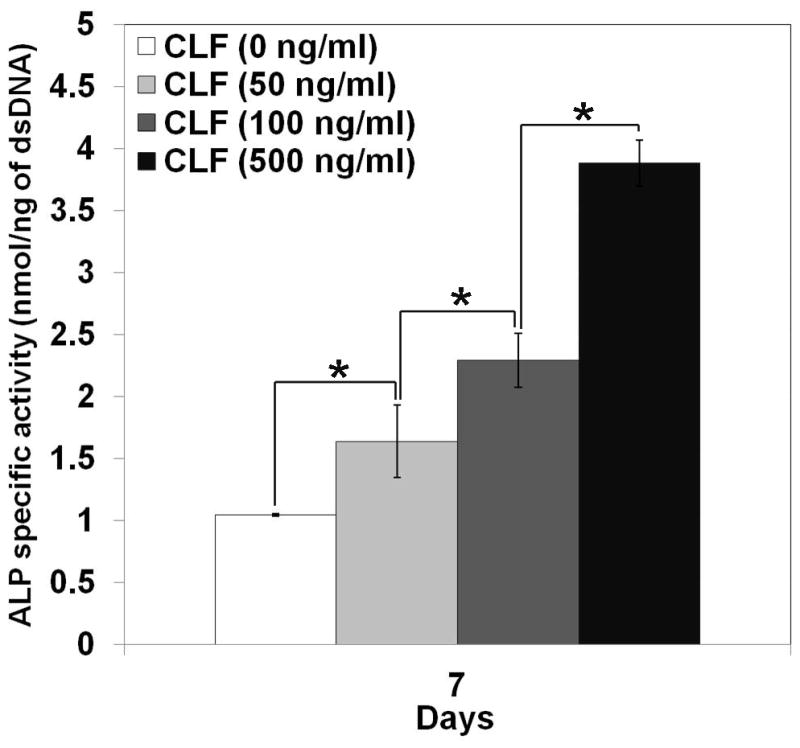
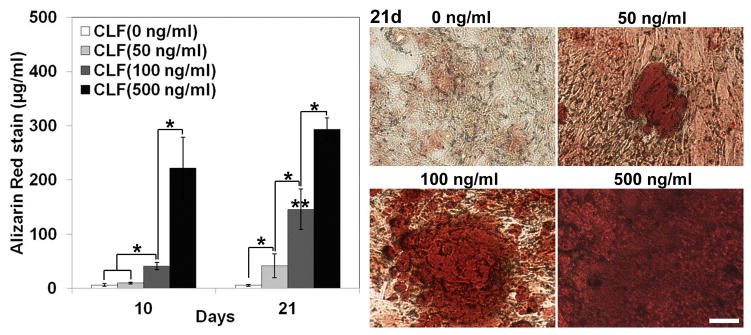
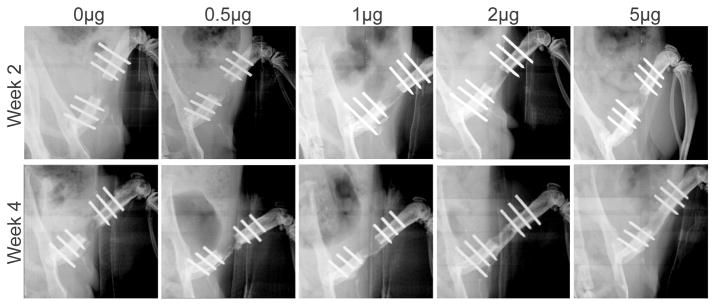
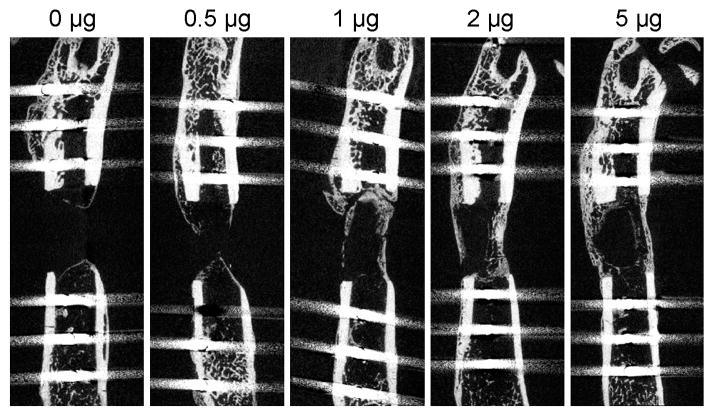
The purpose of this study was to develop and characterize a novel photo-cross-linkable chitosan-lactide-fibrinogen (CLF) hydrogel and evaluate the efficacy of bone morphogenetic protein-2 (BMP-2) containing a CLF hydrogel for osteogenesis in vitro and in vivo. We synthesized the CLF hydrogels and characterized their chemical structure, degradation rate, compressive modulus and in vitro BMP-2 release kinetics. We evaluated bioactivities of the BMP-2 containing CLF hydrogels (0, 50, 100 and 500ngml(-1)) in vitro using W-20-17 preosteoblast mouse bone marrow stromal cells and C2C12 mouse myoblast cells. The effect of BMP-2 containing CLF gels (0, 0.5, 1, 2 and 5μg) on bone formation was evaluated using rat critical size segmental bone defects for 4weeks. Fourier transform infrared spectroscopy spectra and scanning electron microscopy images showed chemical and structural changes by the addition of fibrinogen into the chitosan-lactide copolymer. The incorporation of fibrinogen molecules significantly increased the compressive modulus of the hydrogels. The in vitro BMP-2 release study showed initial burst releases from the CLF hydrogels followed by sustained releases, regardless of the concentration of the BMP-2 over 4weeks. Cells in all groups were viable in the presence of the hydrogels regardless of BMP-2 doses, indicating non-cytotoxicity of hydrogels. Alkaline phosphate activity and mineralization of cells exhibited dose dependence on BMP-2 containing CLF hydrogels. Radiography, microcomputed tomography and histology confirmed that the BMP-2 containing CLF hydrogels prompted neo-osteogenesis and accelerated healing of the defects in a dose-dependent manner. Thus the CLF hydrogel is a promising delivery system of growth factors for bone regeneration.
本研究的目的是开发并表征一种新型的可光交联壳聚糖-丙交酯-纤维蛋白原(CLF)水凝胶,并评估含骨形态发生蛋白-2(BMP-2)的CLF水凝胶在体外和体内的成骨功效。我们合成了CLF水凝胶,并对其化学结构、降解速率、压缩模量和体外BMP-2释放动力学进行了表征。我们使用W-20-17前成骨细胞小鼠骨髓基质细胞和C2C12小鼠成肌细胞,在体外评估了含BMP-2的CLF水凝胶(0、50、100和500ngml(-1))的生物活性。使用大鼠临界尺寸节段性骨缺损4周,评估含BMP-2的CLF凝胶(0、0.5、1、2和5μg)对骨形成的影响。傅里叶变换红外光谱和扫描电子显微镜图像显示,将纤维蛋白原添加到壳聚糖-丙交酯共聚物中会引起化学和结构变化。纤维蛋白原分子的掺入显著提高了水凝胶的压缩模量。体外BMP-2释放研究表明,无论BMP-2浓度如何,CLF水凝胶在4周内均呈现初始爆发式释放,随后是持续释放。无论BMP-2剂量如何,所有组中的细胞在水凝胶存在下均存活,表明水凝胶无细胞毒性。细胞的碱性磷酸酶活性和矿化对含BMP-2的CLF水凝胶呈剂量依赖性。X线摄影、微型计算机断层扫描和组织学证实,含BMP-2的CLF水凝胶以剂量依赖性方式促进新骨形成并加速缺损愈合。因此,CLF水凝胶是一种有前景的用于骨再生的生长因子递送系统。