Weaver Meaghann S, Heminger Christina L, Lam Catherine G
Department of Oncology, St, Jude Children's Research Hospital, 262 Danny Thomas Place, Memphis, Tennessee 38105, USA.
BMC Public Health. 2014 Sep 11;14:944. doi: 10.1186/1471-2458-14-944.
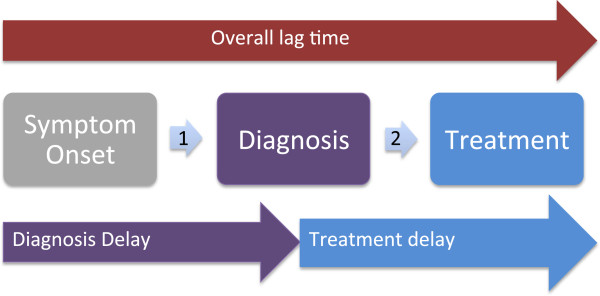
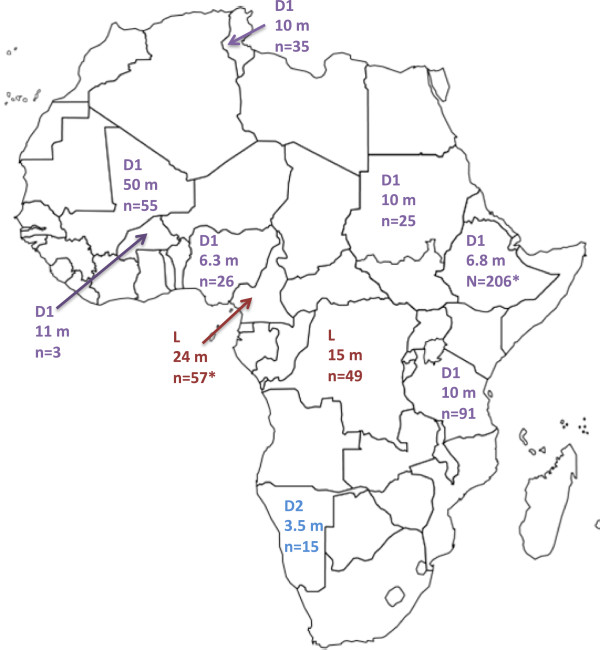
Retinoblastoma, the most common intraocular tumor globally, represents a curable cancer when diagnosed early and treated promptly. Delay to diagnosis, lag time prior to treatment initiation, and abandonment of treatment including upfront treatment refusal, represent stark causes of high retinoblastoma mortality rates in low- and middle- income settings, particularly regions in Africa. While a health delivery-based approach has been a historic focus of retinoblastoma treatments globally and is essential to quality care, this is necessary but not adequate. Retinoblastoma is a compelling disease model to illustrate the potential insights afforded in theory-informed approaches to improve outcomes that integrate public health and oncology perspectives, prioritizing both health service delivery and social efficacy for cure.
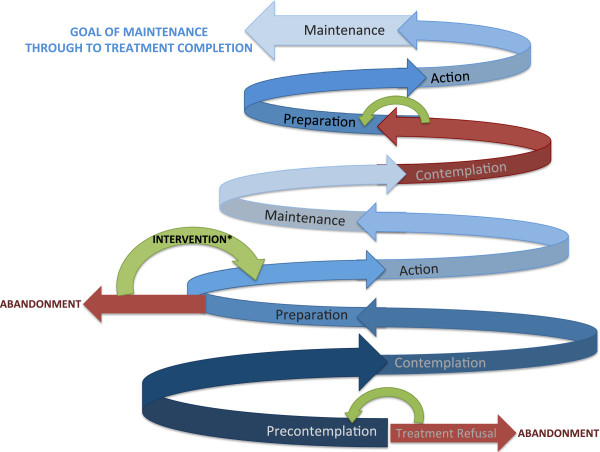
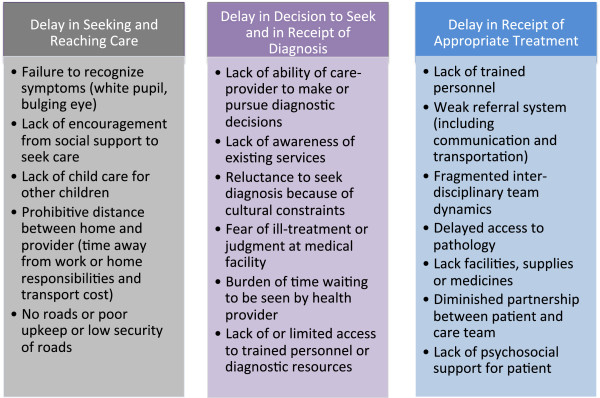
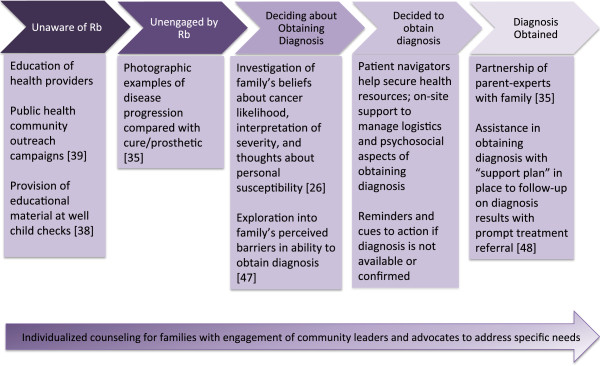
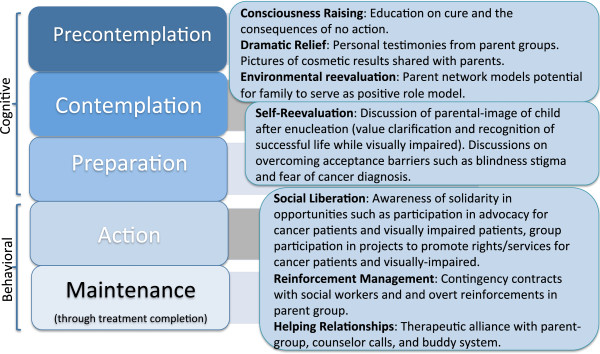
Given that barriers to appropriate and timely diagnosis and treatment represent main contributors to mortality in children with retinoblastoma in resource-limited settings such as certain areas in Africa, an important priority is to overcome barriers to cure that may be predominantly socially influenced, alongside health delivery-based improvements. While Stages of Change models have been effectively utilized in cancer screening programs within settings of economic and cultural barriers, this application of health behavior theory has been limited to cancer screening rather than a comprehensive framework for treatment completion. Using retinoblastoma as a case example, we propose applying stage-based intervention models in critical stages of care, such as the Precaution Adoption Process Model to decrease delay to diagnosis and a Transtheoretical Model to increase treatment completion rates in resource-limited settings.
Stage-based theories recognize that improved cure and survival outcomes will require supportive strategies to progress households, communities, and social and economic institutions from being unaware and unengaged to committed and sustained in their respective roles. Applying a stage-based model lens to programmatic interventions in resource-limited settings has potential for visible improvement in outcomes for children with retinoblastoma and other cancers.
视网膜母细胞瘤是全球最常见的眼内肿瘤,若能早期诊断并及时治疗,是一种可治愈的癌症。诊断延迟、开始治疗前的滞后时间以及放弃治疗(包括一开始就拒绝治疗),是低收入和中等收入地区,尤其是非洲部分地区视网膜母细胞瘤死亡率居高不下的主要原因。虽然基于卫生服务提供的方法一直是全球视网膜母细胞瘤治疗的历史重点,也是优质护理的关键,但这是必要条件而非充分条件。视网膜母细胞瘤是一个极具说服力的疾病模型,可说明将公共卫生和肿瘤学观点相结合、优先考虑卫生服务提供和治愈的社会效能的理论指导方法所带来的潜在见解,以改善治疗结果。
鉴于在资源有限的环境(如非洲某些地区)中,适当和及时诊断及治疗的障碍是视网膜母细胞瘤患儿死亡的主要原因,一个重要的优先事项是克服可能主要受社会影响的治愈障碍,同时改善基于卫生服务提供的情况。虽然改变阶段模型已在存在经济和文化障碍的环境中的癌症筛查项目中得到有效应用,但这种健康行为理论的应用仅限于癌症筛查,而非治疗完成的综合框架。以视网膜母细胞瘤为例,我们建议在关键的护理阶段应用基于阶段的干预模型,如预防采用过程模型以减少诊断延迟,以及跨理论模型以提高资源有限环境中的治疗完成率。
基于阶段的理论认识到,改善治愈和生存结果将需要支持性策略,以使家庭、社区以及社会和经济机构从不知情和不参与转变为在各自角色中坚定且持续地参与。将基于阶段的模型应用于资源有限环境中的项目干预措施,有可能显著改善视网膜母细胞瘤患儿和其他癌症患儿的治疗结果。