Lu Xingyu, Kim Hyeji, Zhong Silin, Chen Houbin, Hu Zhiqun, Zhou Biyan
College of Horticulture, South China Agricultural University, Guangzhou 510642, China.
BMC Genomics. 2014 Sep 20;15(1):805. doi: 10.1186/1471-2164-15-805.
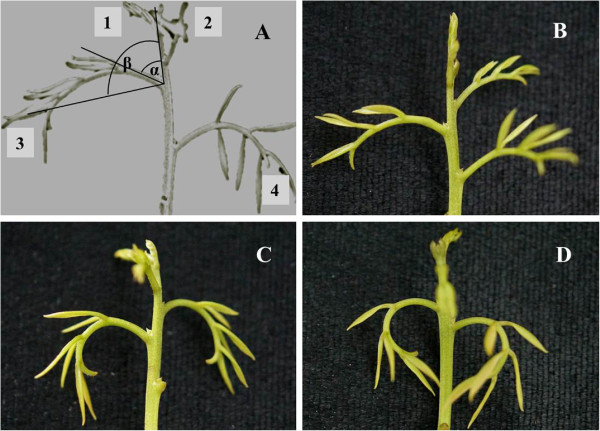
Litchi is an evergreen woody tree widely cultivated in subtropical and tropical regions. Defective flowering is a major challenge for litchi production in time of climate change and global warming. Previous studies have shown that high temperature conditions encourage the growth of rudimentary leaves in panicles and suppress litchi flowering, while reactive oxygen species (ROS) generated by methyl viologen dichloride hydrate (MV) promote flowering and abortion of rudimentary leaves. To understand the molecular function of the ROS-induced abortion of rudimentary leaves in litchi, we sequenced and de novo assembled the litchi transcriptome.
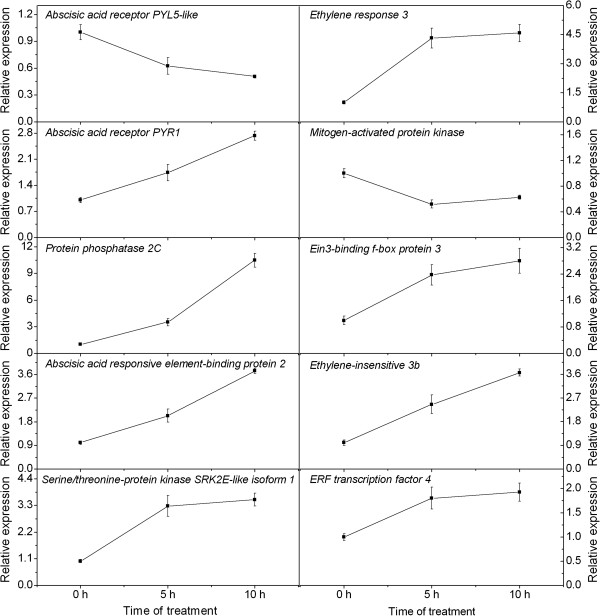
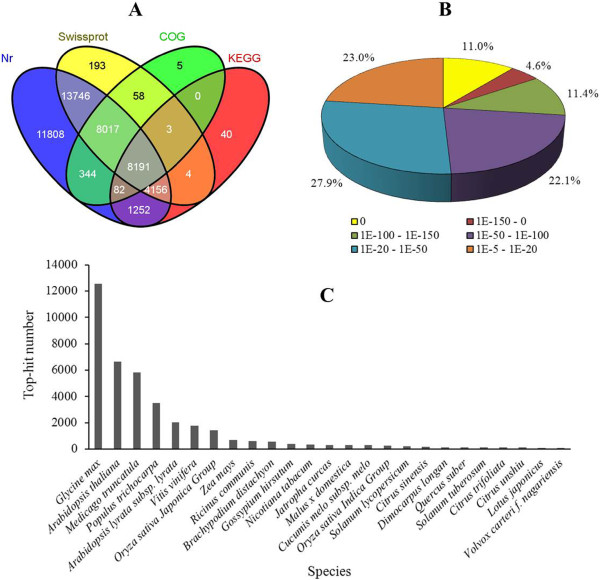
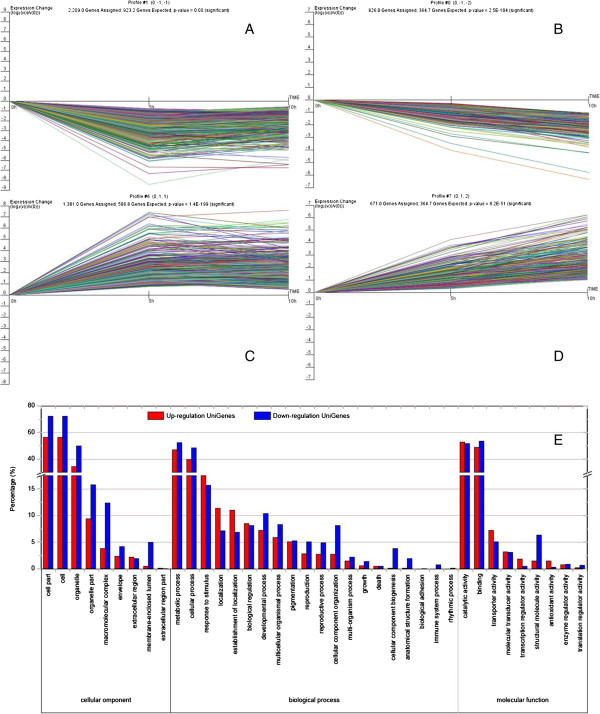
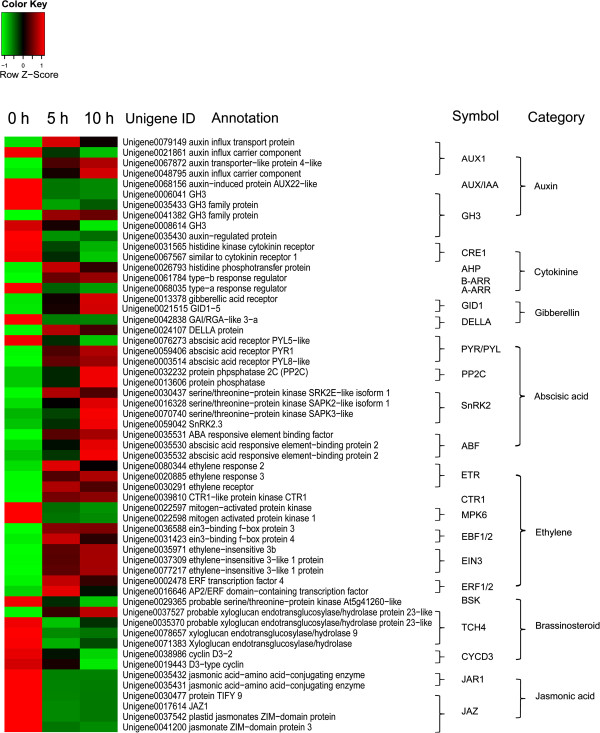
Our assembly encompassed 82,036 unigenes with a mean size of 710 bp, and over 58% (47,596) of unigenes showed significant similarities to known sequences in GenBank non-redundant (nr) protein database. 5,865 unigenes were found to be differentially expressed between ROS-treated and un-treated rudimentary leaves, and genes encoding signaling components of plant hormones such as ABA and ethylene were significantly enriched.
Our transcriptome data represents the comprehensive collection of expressed sequence tags (ESTs) of litchi leaves, which is a vital resource for future studies on the genomics of litchi and other closely related species. The identified differentially expressed genes also provided potential candidates for functional analysis of genes involved in litchi flowering underlying the control of rudimentary leaves in the panicles.
荔枝是一种广泛种植于亚热带和热带地区的常绿木本植物。在气候变化和全球变暖的背景下,开花不良是荔枝生产面临的一项重大挑战。先前的研究表明,高温条件会促进穗中幼叶的生长并抑制荔枝开花,而二氯甲基紫精(MV)产生的活性氧(ROS)则会促进开花和幼叶脱落。为了解ROS诱导荔枝幼叶脱落的分子功能,我们对荔枝转录组进行了测序和从头组装。
我们的组装包含82,036个单基因,平均大小为710 bp,超过58%(47,596)的单基因与GenBank非冗余(nr)蛋白质数据库中的已知序列具有显著相似性。发现5,865个单基因在ROS处理和未处理的幼叶之间存在差异表达,并且编码植物激素(如脱落酸和乙烯)信号成分的基因显著富集。
我们的转录组数据代表了荔枝叶片表达序列标签(EST)的全面集合,这是未来荔枝及其他近缘物种基因组学研究的重要资源。鉴定出的差异表达基因也为穗中幼叶控制下参与荔枝开花的基因功能分析提供了潜在候选基因。