Wojtasik Wioleta, Kulma Anna, Boba Aleksandra, Szopa Jan
BMC Plant Biol. 2014 Oct 5;14:261. doi: 10.1186/s12870-014-0261-z.
Nowadays, the challenge for biotechnology is to develop tools for agriculture and industry to provide plants characterized by productivity and quality that will satisfy the growing demand for different kinds of natural products. To meet the challenge, the generation and application of genetically modified plants is justified. However, the strong social resistance to genetically modified organisms and restrictive regulations in European Union countries necessitated the development of a new technology for new plant types generation which uses the knowledge resulting from analysis of genetically modified plants to generate favourably altered plants while omitting the introduction of heterologous genes to their genome. Four-year experiments led to the development of a technology inducing heritable epigenetic gene activation without transgenesis.
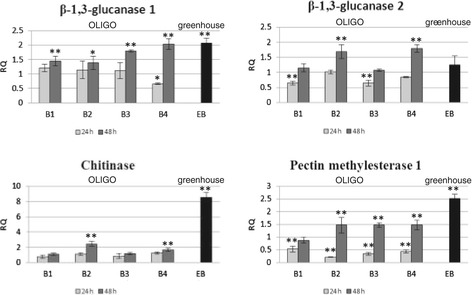
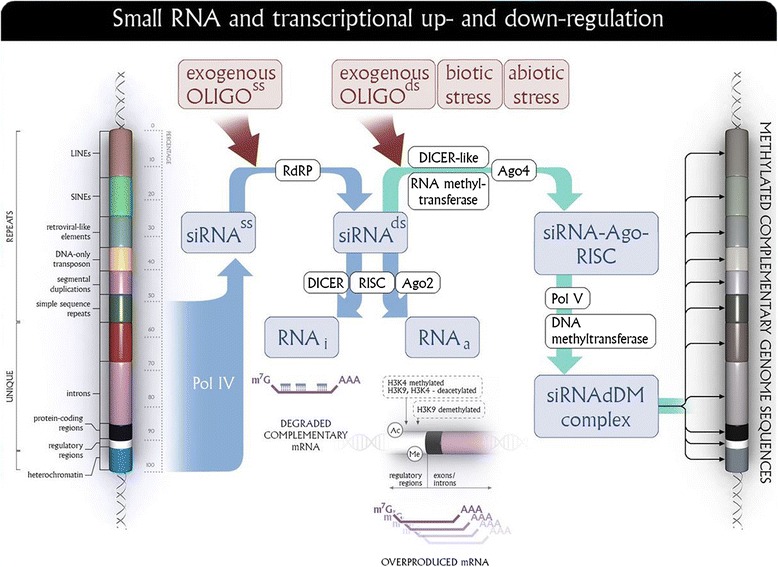
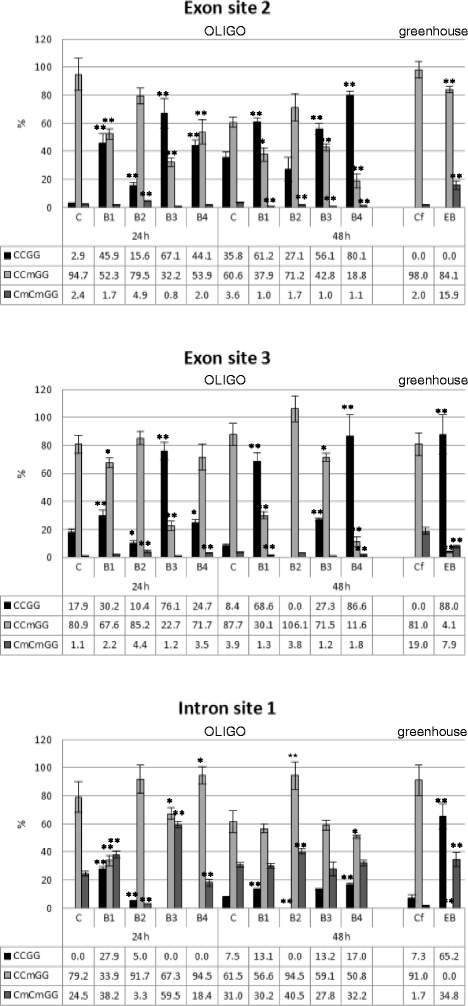
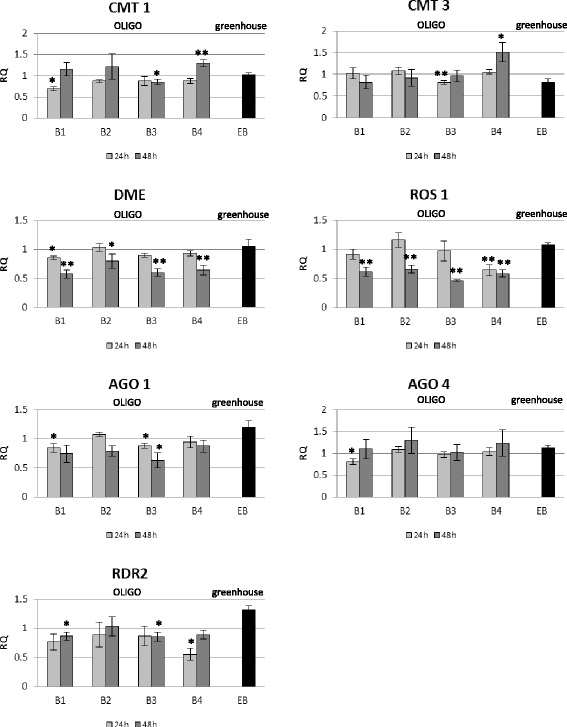
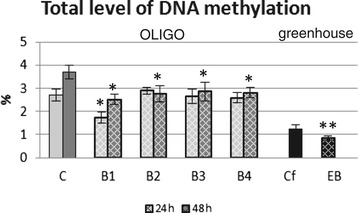
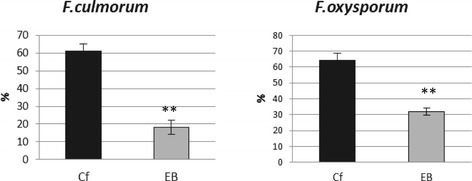
The method comprises the induction of changes in methylation/demethylation of the endogenous gene by the plant's treatment with short oligodeoxynucleotides antisense to the coding region. In vitro cultured plants and F3 generation flax plants overproducing the β-1,3-glucanase gene (EMO-βGlu flax) were characterized by up-regulation of β-glucanase and chitinase genes, decreases in the methylation of CCGG sequences in the β-glucanase gene and in total DNA methylation and, more importantly, reasonable resistance against Fusarium infection. In addition, EMO-βGlu flax obtained by this technology showed similar features as those obtained by genetic engineering.
To our best knowledge, this is the first report on plant gene activation by treatment with oligodeoxynucleotides homologous to the coding region of the gene. Apart from the evident effectiveness, the most important issue is that the EMO method allows generation of favourably altered plants, whose cultivation makes the plant producer independent from the complicated procedure of obtaining an agreement on GMO release into the environment and whose products might be more easily introduced to the global market.
如今,生物技术面临的挑战是开发适用于农业和工业的工具,以培育出具有生产力和品质特性的植物,从而满足对各类天然产品不断增长的需求。为应对这一挑战,转基因植物的产生与应用具有合理性。然而,欧盟国家对转基因生物的强烈社会抵制以及严格的法规,促使人们开发一种用于培育新型植物的新技术,该技术利用对转基因植物分析所获得的知识,在不向植物基因组中引入异源基因的情况下,培育出有利性状改变的植物。为期四年的实验催生了一种无需转基因即可诱导可遗传表观遗传基因激活的技术。
该方法包括通过用与编码区反义的短寡脱氧核苷酸处理植物,诱导内源基因甲基化/去甲基化的变化。体外培养的植物以及过量表达β-1,3-葡聚糖酶基因的F3代亚麻植株(EMO-βGlu亚麻)的特征在于β-葡聚糖酶和几丁质酶基因上调,β-葡聚糖酶基因中CCGG序列的甲基化以及总DNA甲基化降低,更重要的是,对镰刀菌感染具有合理抗性。此外,通过该技术获得的EMO-βGlu亚麻表现出与通过基因工程获得的亚麻相似特征。
据我们所知,这是关于用与基因编码区同源的寡脱氧核苷酸处理激活植物基因的首份报告。除了明显的有效性外,最重要的是EMO方法能够培育出有利性状改变的植物,其种植使植物生产者无需经历关于转基因生物释放到环境中的复杂审批程序,并且其产品可能更容易进入全球市场。