Walters William A, Xu Zech, Knight Rob
Department of Molecular, Cellular and Developmental Biology, University of Colorado, Boulder, CO 80309, USA.
BioFrontiers Institute, University of Colorado, Boulder, CO 80309, USA.
FEBS Lett. 2014 Nov 17;588(22):4223-33. doi: 10.1016/j.febslet.2014.09.039. Epub 2014 Oct 13.
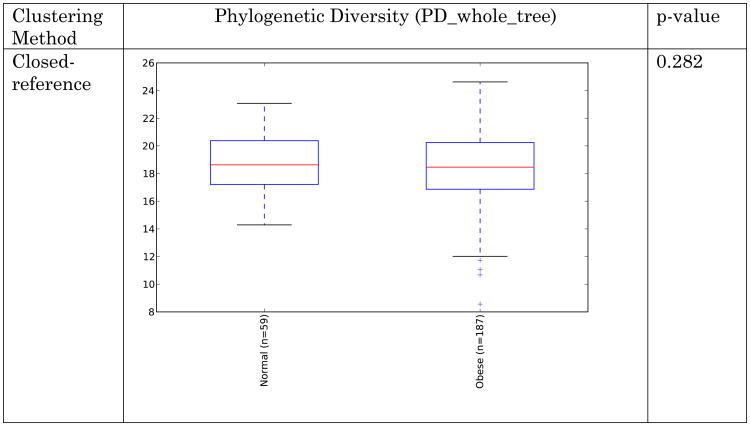
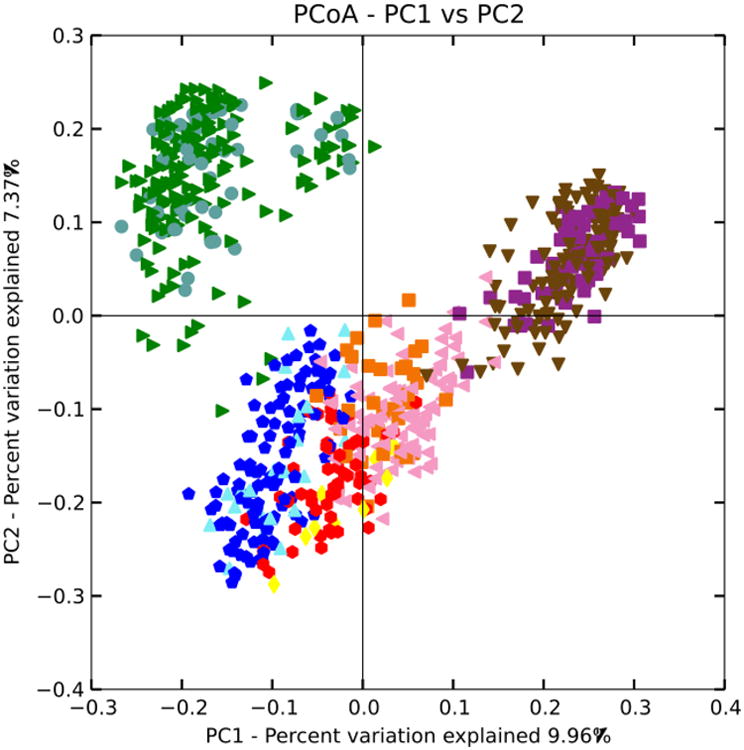
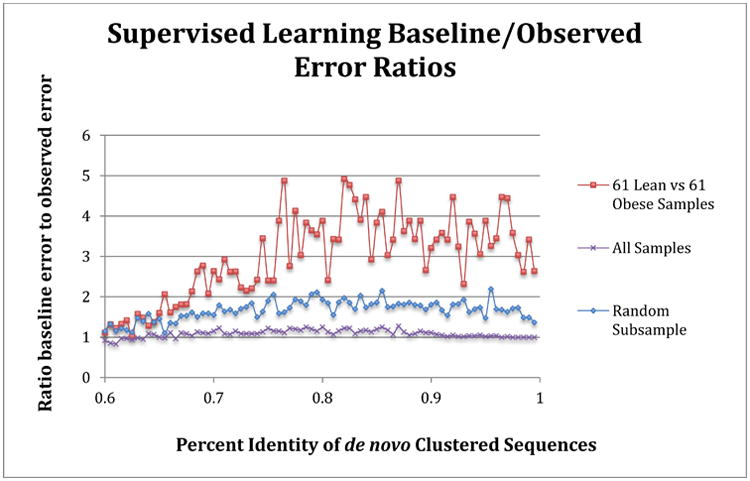
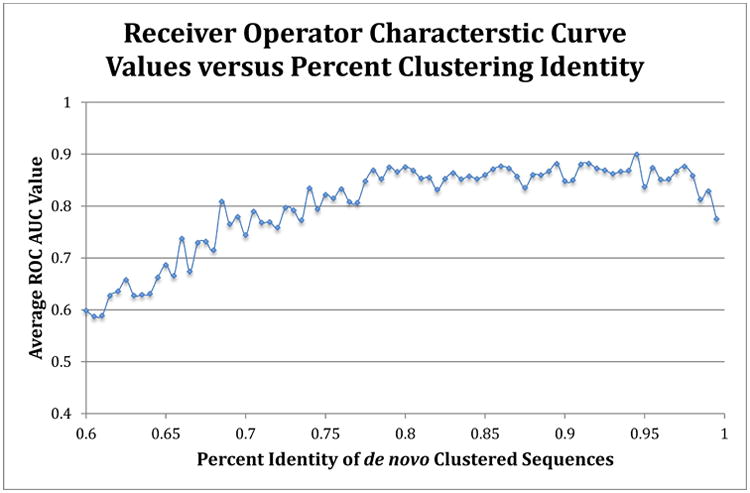
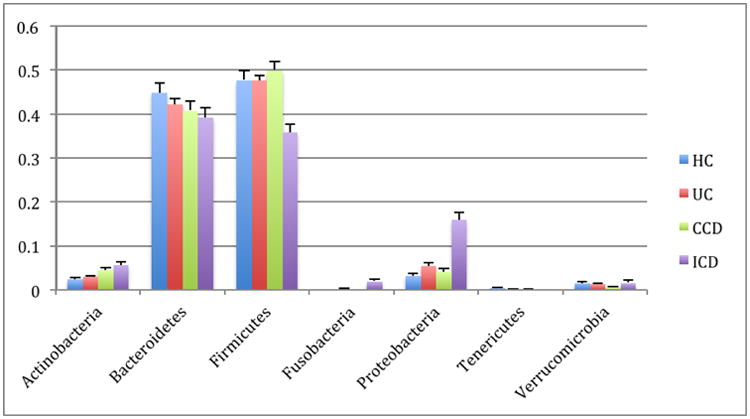
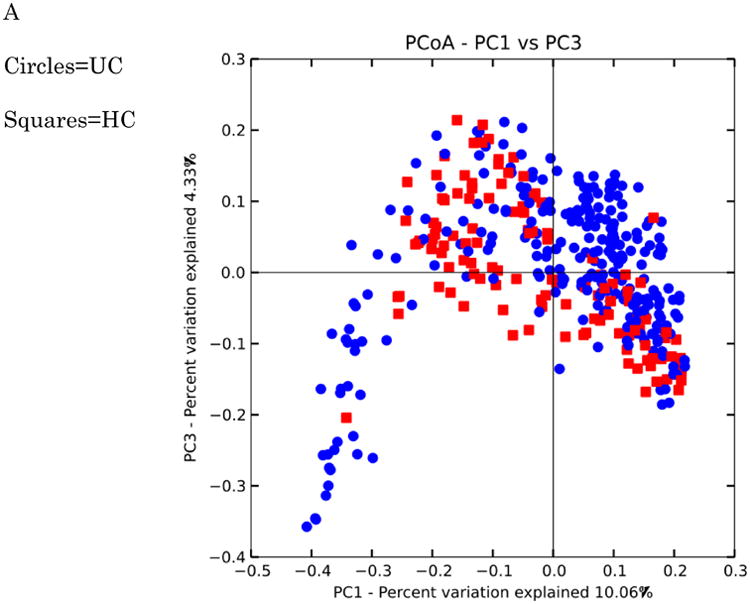
Recent studies have linked human gut microbes to obesity and inflammatory bowel disease, but consistent signals have been difficult to identify. Here we test for indicator taxa and general features of the microbiota that are generally consistent across studies of obesity and of IBD, focusing on studies involving high-throughput sequencing of the 16S rRNA gene (which we could process using a common computational pipeline). We find that IBD has a consistent signature across studies and allows high classification accuracy of IBD from non-IBD subjects, but that although subjects can be classified as lean or obese within each individual study with statistically significant accuracy, consistent with the ability of the microbiota to experimentally transfer this phenotype, signatures of obesity are not consistent between studies even when the data are analyzed with consistent methods. The results suggest that correlations between microbes and clinical conditions with different effect sizes (e.g. the large effect size of IBD versus the small effect size of obesity) may require different cohort selection and analysis strategies.
近期研究已将人类肠道微生物与肥胖症及炎症性肠病联系起来,但一直难以识别出一致的信号。在此,我们针对肥胖症和炎症性肠病研究中普遍一致的微生物群指示分类群和一般特征进行测试,重点关注涉及16S rRNA基因高通量测序的研究(我们可以使用通用计算流程对其进行处理)。我们发现,炎症性肠病在各项研究中具有一致的特征,并且能够以较高的分类准确率将炎症性肠病患者与非炎症性肠病患者区分开来,但是,尽管在每项单独研究中都能以具有统计学意义的准确率将受试者分类为瘦或肥胖,这与微生物群通过实验传递该表型的能力相符,但即便使用一致的方法分析数据,肥胖的特征在不同研究之间也并不一致。结果表明,微生物与具有不同效应大小的临床病症之间的相关性(例如,炎症性肠病的效应大小较大,而肥胖症的效应大小较小)可能需要不同的队列选择和分析策略。