Mejias Jorge F, Longtin André
Center for Neural Science, New York University New York, NY, USA ; Department of Physics, University of Ottawa Ottawa, ON, Canada.
Department of Physics, University of Ottawa Ottawa, ON, Canada ; Department of Cellular and Molecular Medicine, University of Ottawa Ottawa, ON, Canada.
Front Comput Neurosci. 2014 Sep 12;8:107. doi: 10.3389/fncom.2014.00107. eCollection 2014.
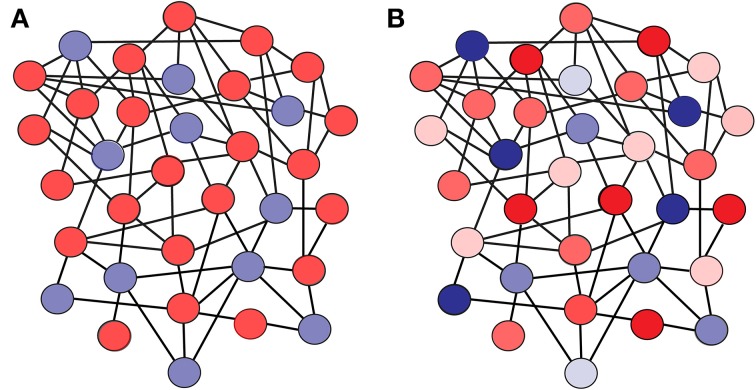
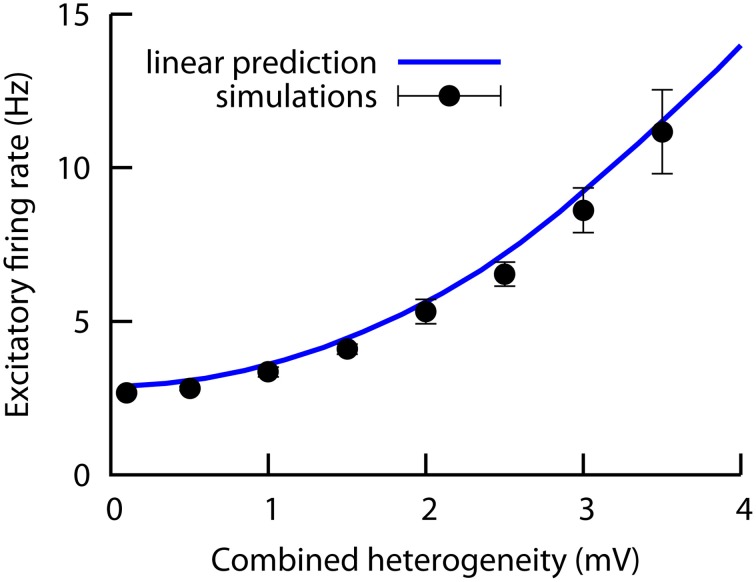
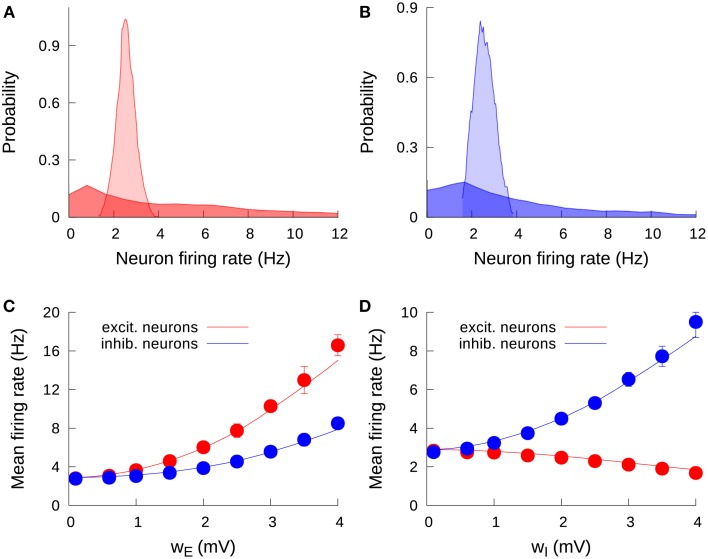
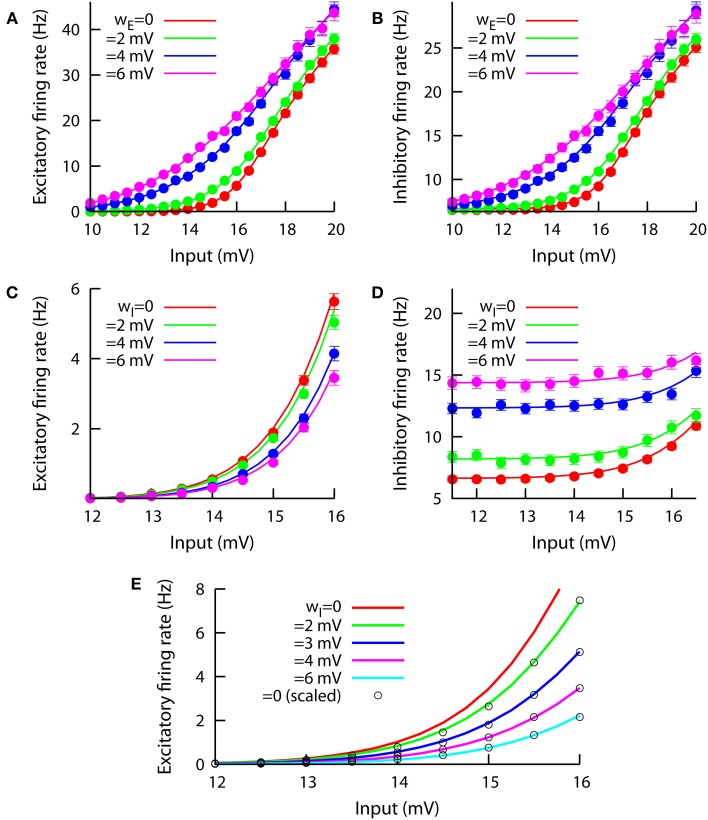
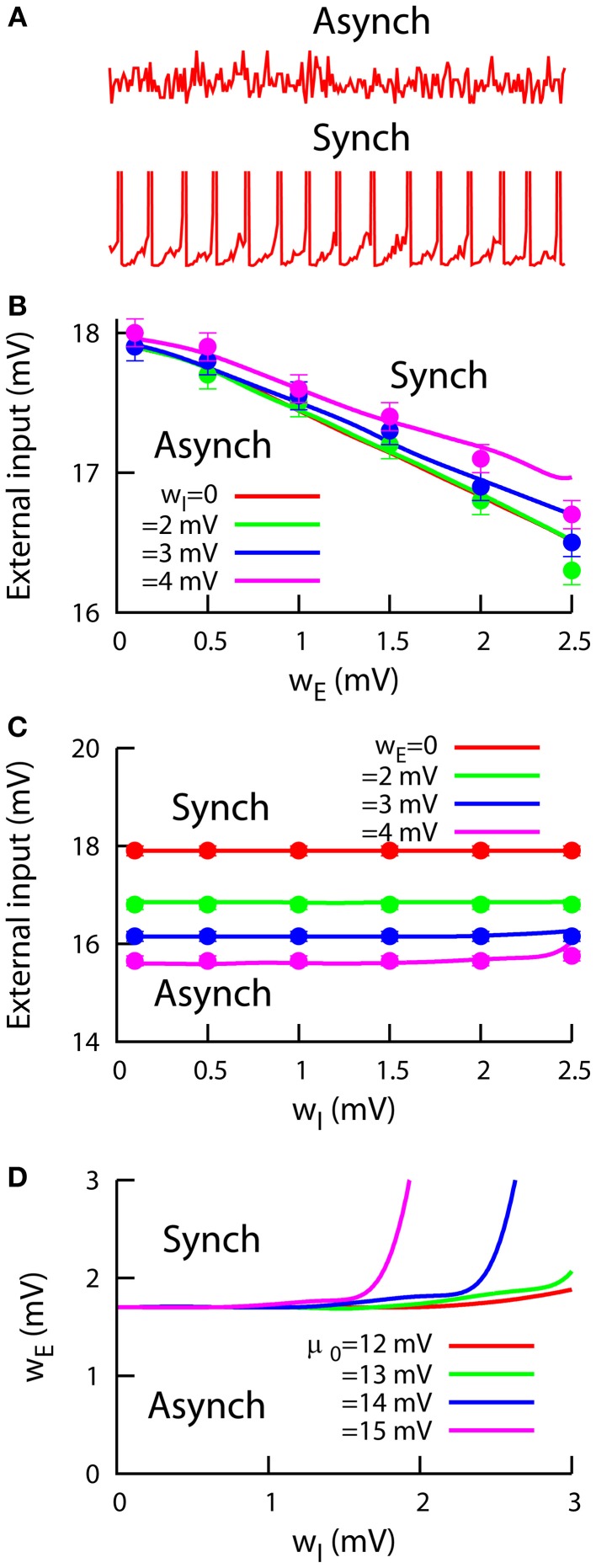
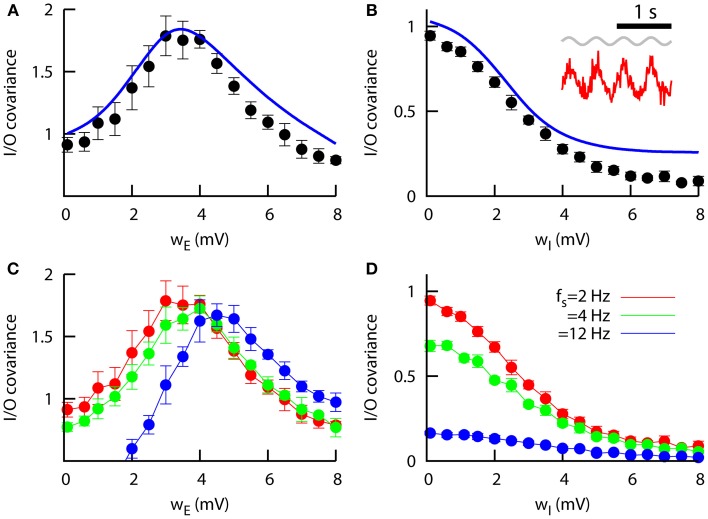
Recent experimental and theoretical studies have highlighted the importance of cell-to-cell differences in the dynamics and functions of neural networks, such as in different types of neural coding or synchronization. It is still not known, however, how neural heterogeneity can affect cortical computations, or impact the dynamics of typical cortical circuits constituted of sparse excitatory and inhibitory networks. In this work, we analytically and numerically study the dynamics of a typical cortical circuit with a certain level of neural heterogeneity. Our circuit includes realistic features found in real cortical populations, such as network sparseness, excitatory, and inhibitory subpopulations of neurons, and different cell-to-cell heterogeneities for each type of population in the system. We find highly differentiated roles for heterogeneity, depending on the subpopulation in which it is found. In particular, while heterogeneity among excitatory neurons non-linearly increases the mean firing rate and linearizes the f-I curves, heterogeneity among inhibitory neurons may decrease the network activity level and induces divisive gain effects in the f-I curves of the excitatory cells, providing an effective gain control mechanism to influence information flow. In addition, we compute the conditions for stability of the network activity, finding that the synchronization onset is robust to inhibitory heterogeneity, but it shifts to lower input levels for higher excitatory heterogeneity. Finally, we provide an extension of recently reported heterogeneity-induced mechanisms for signal detection under rate coding, and we explore the validity of our findings when multiple sources of heterogeneity are present. These results allow for a detailed characterization of the role of neural heterogeneity in asynchronous cortical networks.
最近的实验和理论研究强调了神经网络动力学和功能中细胞间差异的重要性,比如在不同类型的神经编码或同步方面。然而,目前仍不清楚神经异质性如何影响皮层计算,或如何影响由稀疏兴奋性和抑制性网络构成的典型皮层回路的动力学。在这项工作中,我们通过分析和数值模拟研究了具有一定神经异质性水平的典型皮层回路的动力学。我们的回路包含真实皮层群体中发现的实际特征,如网络稀疏性、神经元的兴奋性和抑制性子群体,以及系统中每种群体类型不同的细胞间异质性。我们发现异质性的作用高度分化,这取决于其所在的子群体。具体而言,兴奋性神经元之间的异质性会非线性地增加平均放电率并使f-I曲线线性化,而抑制性神经元之间的异质性可能会降低网络活动水平,并在兴奋性细胞的f-I曲线中诱导分裂增益效应,从而提供一种有效的增益控制机制来影响信息流。此外,我们计算了网络活动稳定性的条件,发现同步起始对抑制性异质性具有鲁棒性,但对于更高的兴奋性异质性,它会转移到更低的输入水平。最后,我们扩展了最近报道的速率编码下异质性诱导的信号检测机制,并探讨了存在多种异质性来源时我们研究结果的有效性。这些结果有助于详细描述神经异质性在异步皮层网络中的作用。