Becker Michael G, Hsu Ssu-Wei, Harada John J, Belmonte Mark F
Department of Biological Sciences, University of Manitoba, Winnipeg, MB Canada.
Department of Plant Biology, University of California Davis, Davis, CA USA.
Front Plant Sci. 2014 Sep 12;5:464. doi: 10.3389/fpls.2014.00464. eCollection 2014.
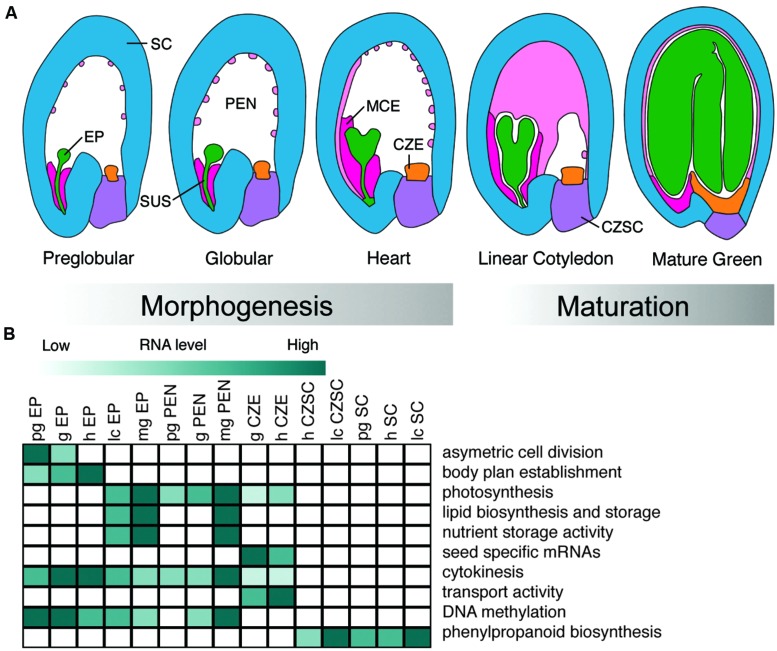
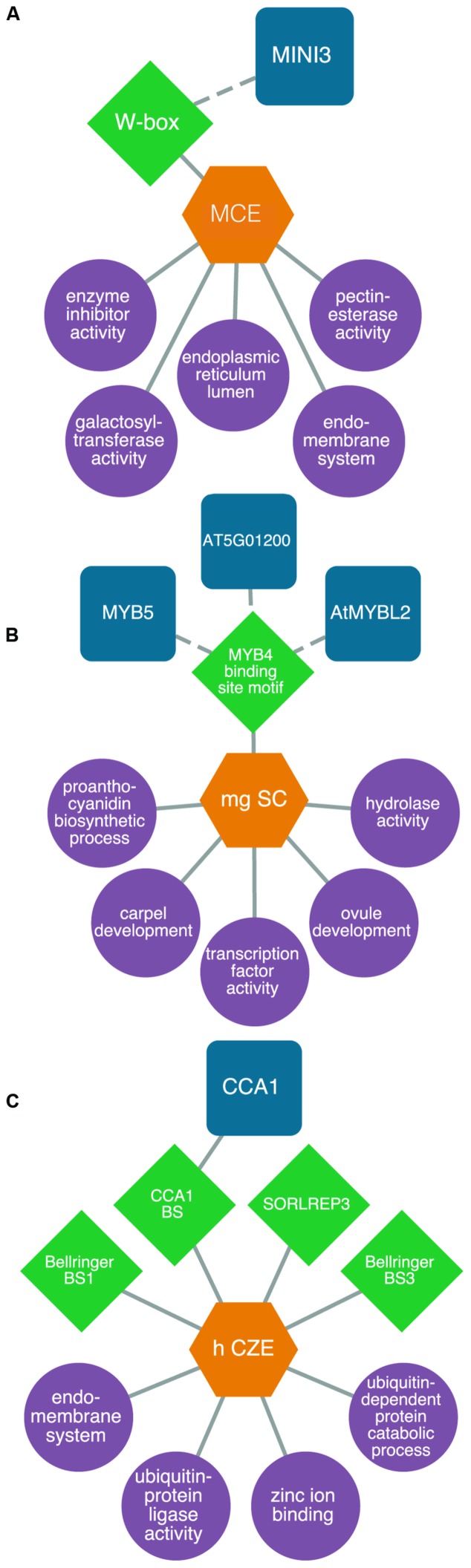
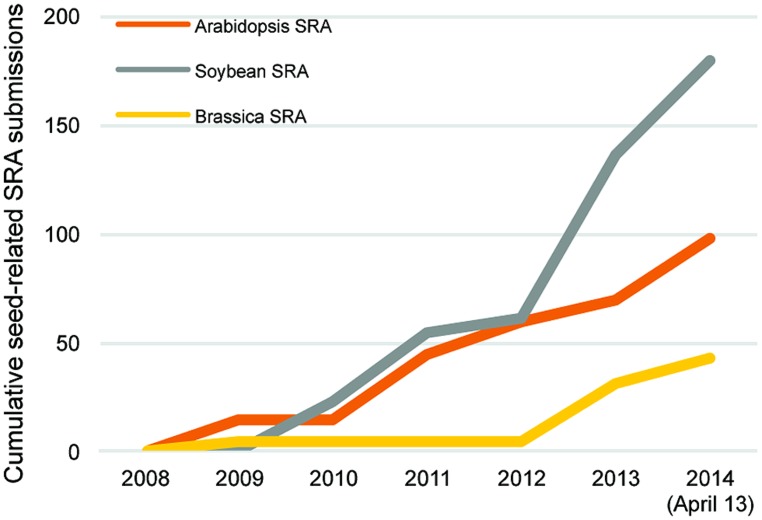
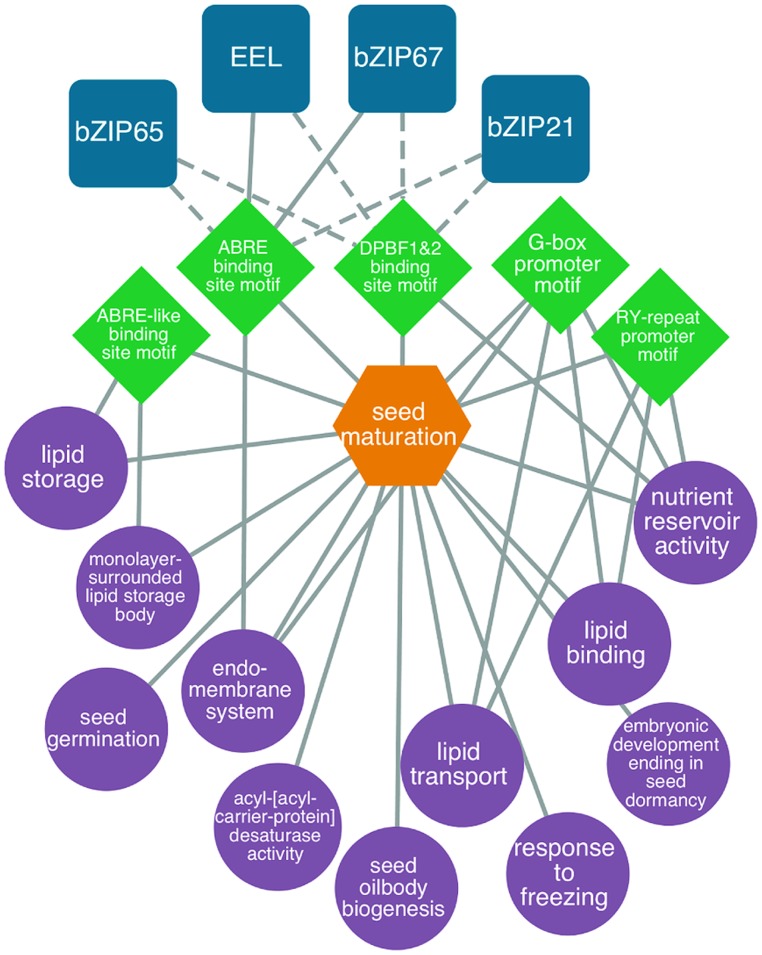
Seeds play an integral role in the global food supply and account for more than 70% of the calories that we consume on a daily basis. To meet the demands of an increasing population, scientists are turning to seed genomics research to find new and innovative ways to increase food production. Seed genomics is evolving rapidly, and the information produced from seed genomics research has exploded over the past two decades. Advances in modern sequencing strategies that profile every molecule in every cell, tissue, and organ and the emergence of new model systems have provided the tools necessary to unravel many of the biological processes underlying seed development. Despite these advances, the analyses and mining of existing seed genomics data remain a monumental task for plant biologists. This review summarizes seed region and subregion genomic data that are currently available for existing and emerging oilseed models. We provide insight into the development of tools on how to analyze large-scale datasets.
种子在全球粮食供应中发挥着不可或缺的作用,占我们日常摄入热量的70%以上。为了满足不断增长的人口需求,科学家们正在转向种子基因组学研究,以寻找增加粮食产量的新方法和创新方法。种子基因组学正在迅速发展,在过去二十年里,种子基因组学研究产生的信息呈爆炸式增长。现代测序策略的进步能够对每个细胞、组织和器官中的每个分子进行分析,以及新模型系统的出现,为揭示种子发育背后的许多生物学过程提供了必要的工具。尽管取得了这些进展,但对现有种子基因组学数据的分析和挖掘对植物生物学家来说仍然是一项艰巨的任务。本综述总结了目前可用于现有和新兴油料种子模型的种子区域和子区域基因组数据。我们深入探讨了如何分析大规模数据集的工具的开发情况。