Interdisciplinary Neuroscience Program, University of Missouri, Columbia, MO, USA Center for Translational Neuroscience, School of Medicine, University of Missouri, Columbia, MO, USA Center for Botanical Interaction Studies, University of Missouri, Columbia, MO, USA.
Center for Translational Neuroscience, School of Medicine, University of Missouri, Columbia, MO, USA Center for Botanical Interaction Studies, University of Missouri, Columbia, MO, USA Department of Pathology and Anatomical Sciences, University of Missouri, Columbia, MO, USA Harry S. Truman Memorial Veterans' Hospital, Columbia, MO, USA.
ASN Neuro. 2014 Oct 16;6(6). doi: 10.1177/1759091414554946. Print 2014.
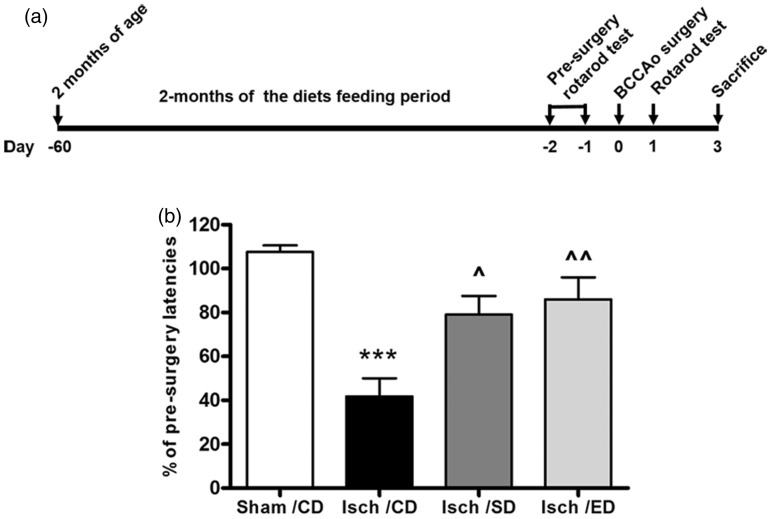
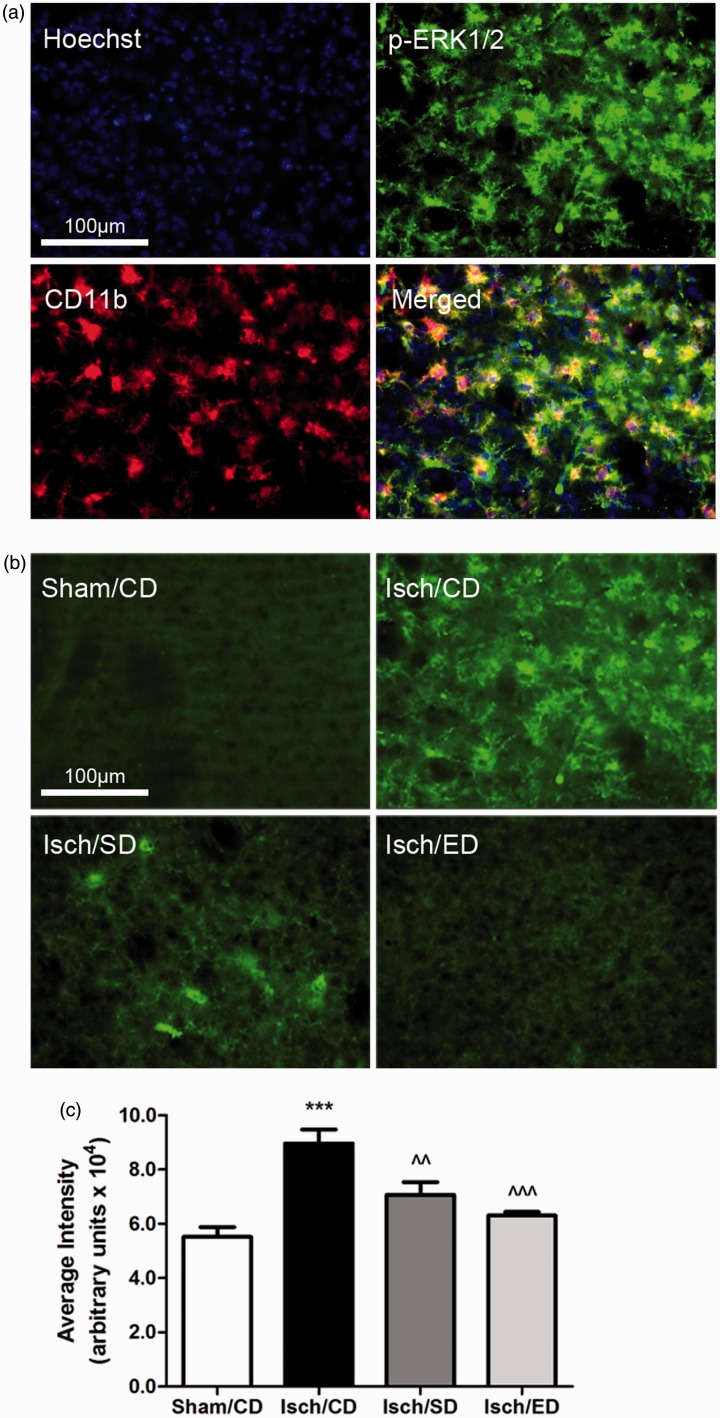
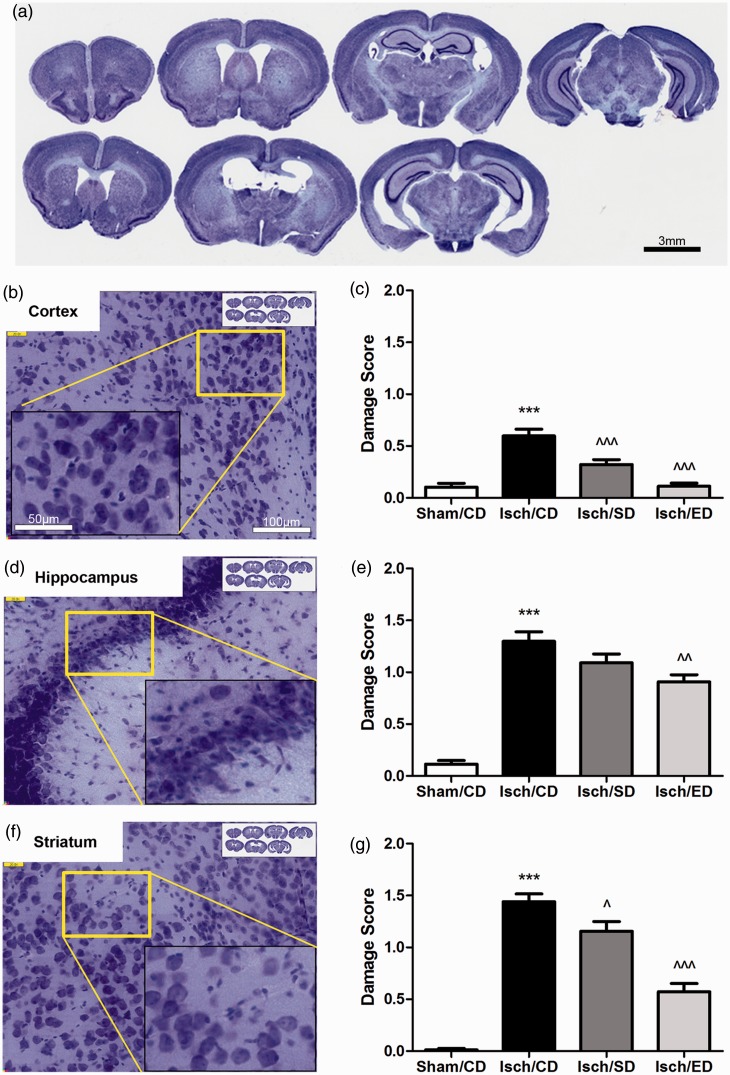
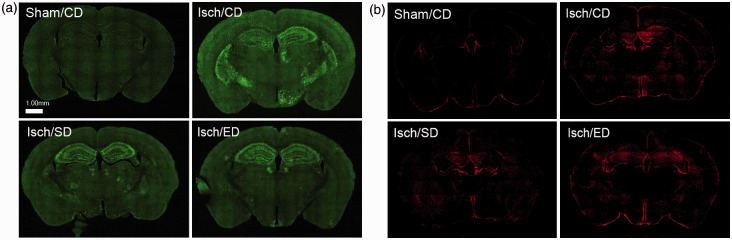
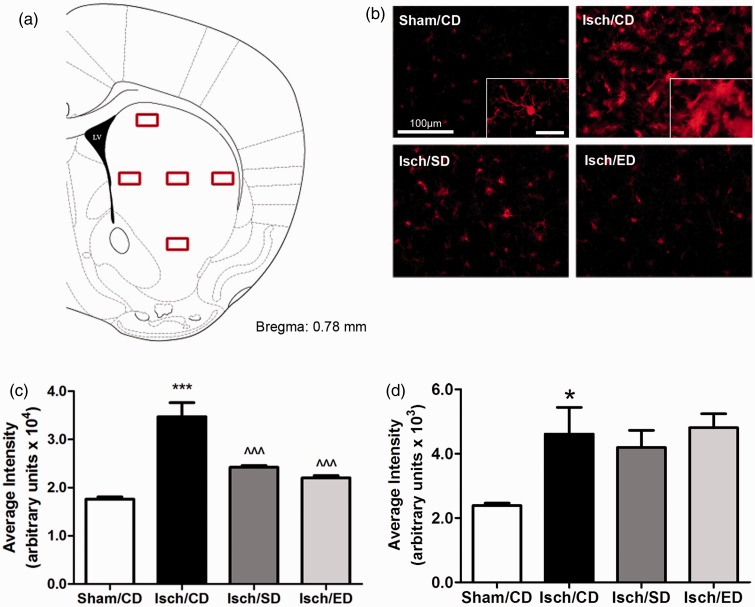
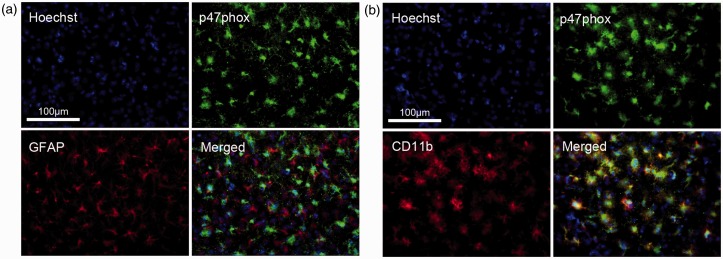
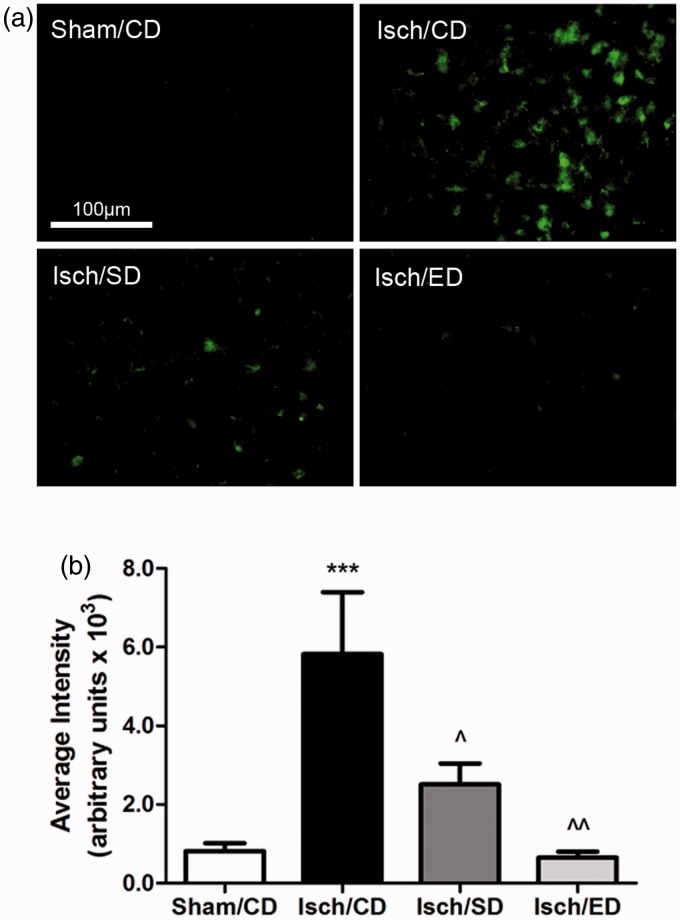
Sutherlandia (Sutherlandia frutescens) and elderberry (Sambucus spp.) are used to promote health and for treatment of a number of ailments. Although studies with cultured cells have demonstrated antioxidative and anti-inflammatory properties of these botanicals, little is known about their ability to mitigate brain injury. In this study, C57BL/6 J male mice were fed AIN93G diets without or with Sutherlandia or American elderberry for 2 months prior to a 30-min global cerebral ischemia induced by occlusion of the bilateral common carotid arteries (BCCAs), followed by reperfusion for 3 days. Accelerating rotarod assessment at 24 h after BCCA occlusion showed amelioration of sensorimotor impairment in the mice fed the supplemented diets as compared with the ischemic mice fed the control diet. Quantitative digital pathology assessment of brain slides stained with cresyl violet at 3 days after ischemia/reperfusion (I/R) revealed significant reduction in neuronal cell death in both dietary groups. Immunohistochemical staining for ionized calcium-binding adapter molecule-1 demonstrated pronounced activation of microglia in the hippocampus and striatum in the ischemic brains 3 days after I/R, and microglial activation was significantly reduced in animals fed supplemented diets. Mitigation of microglial activation by the supplements was further supported by the decrease in expression of p47phox, a cytosolic subunit of NADPH oxidase, and phospho-ERK1/2, a mitogen-activated protein kinase known to mediate a number of cytoplasmic processes including oxidative stress and neuroinflammatory responses. These results demonstrate neuroprotective effect of Sutherlandia and American elderberry botanicals against oxidative and inflammatory responses to cerebral I/R.
南非钩麻(Sutherlandia frutescens)和接骨木(Sambucus spp.)被用于促进健康和治疗多种疾病。虽然培养细胞的研究已经证明了这些植物具有抗氧化和抗炎特性,但对于它们减轻脑损伤的能力知之甚少。在这项研究中,C57BL/6 雄性小鼠在双侧颈总动脉闭塞(BCCAs)引起 30 分钟全脑缺血前,用不含或含南非钩麻或美国接骨木的AIN93G 饮食喂养 2 个月,随后再进行 3 天的再灌注。BCCA 闭塞后 24 小时加速旋转棒评估显示,与缺血小鼠的对照饮食相比,补充饮食喂养的小鼠的感觉运动障碍得到改善。缺血再灌注(I/R)后 3 天用 cresyl 紫染色的脑切片进行定量数字病理学评估显示,两种饮食组的神经元细胞死亡均显著减少。离子钙结合衔接分子-1 的免疫组织化学染色显示,I/R 后 3 天海马和纹状体中的小胶质细胞在缺血脑中明显激活,而补充饮食喂养的动物中的小胶质细胞激活明显减少。补充剂对小胶质细胞激活的抑制作用还得到了 p47phox(NADPH 氧化酶的胞质亚基)和磷酸化 ERK1/2(一种已知介导许多细胞质过程的丝裂原激活蛋白激酶,包括氧化应激和神经炎症反应)表达减少的支持。这些结果表明南非钩麻和美国接骨木植物提取物对脑 I/R 引起的氧化和炎症反应具有神经保护作用。