Mohades Seyede Ghazal, Struys Esli, Van Schuerbeek Peter, Baeken Chris, Van De Craen Piet, Luypaert Robert
Medical Imaging Department (BEFY), Vrije Universiteit Brussel (VUB) Brussels, Belgium ; Radiology Department, UZ Brussel Brussels, Belgium.
Department of Linguistics, Vrije Universiteit Brussel Brussels, Belgium.
Brain Behav. 2014 Sep;4(5):626-42. doi: 10.1002/brb3.246. Epub 2014 Jul 4.
In their daily communication, bilinguals switch between two languages, a process that involves the selection of a target language and minimization of interference from a nontarget language. Previous studies have uncovered the neural structure in bilinguals and the activation patterns associated with performing verbal conflict tasks. One question that remains, however is whether this extra verbal switching affects brain function during nonverbal conflict tasks.
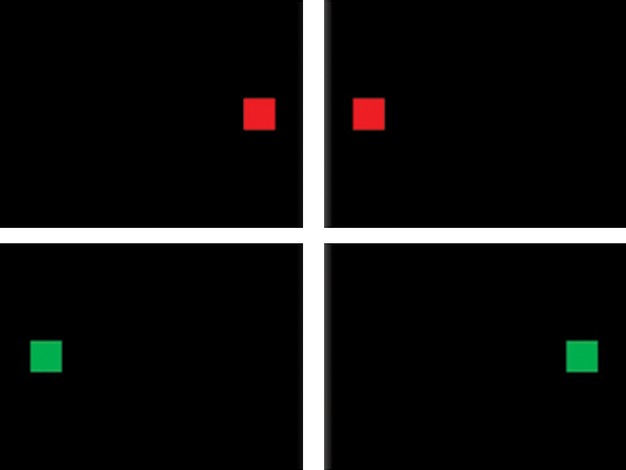
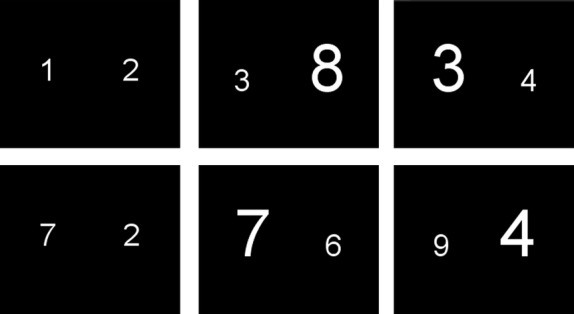
In this study, we have used fMRI to investigate the impact of bilingualism in children performing two nonverbal tasks involving stimulus-stimulus and stimulus-response conflicts. Three groups of 8-11-year-old children--bilinguals from birth (2L1), second language learners (L2L), and a control group of monolinguals (1L1)--were scanned while performing a color Simon and a numerical Stroop task. Reaction times and accuracy were logged.
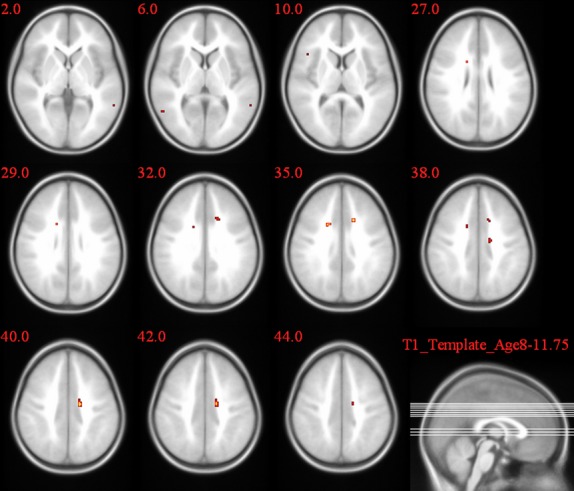
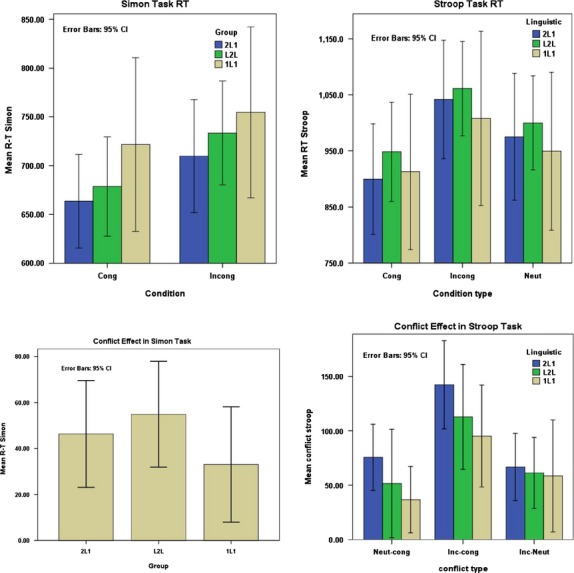
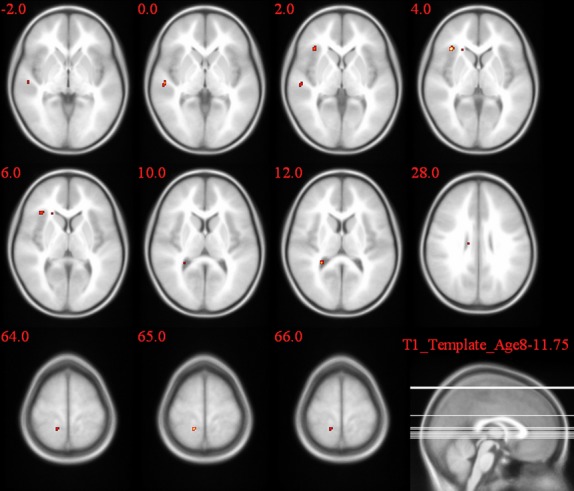
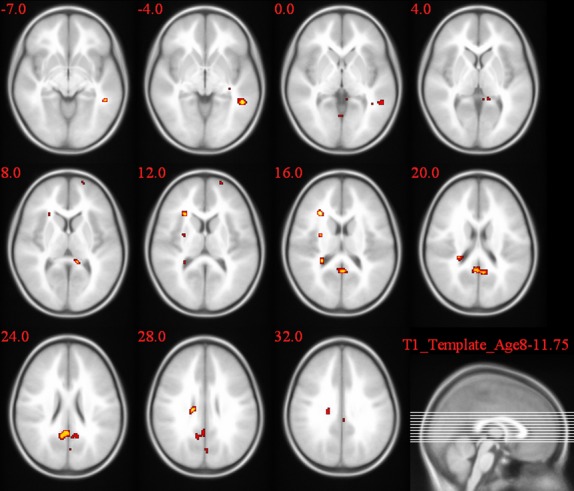
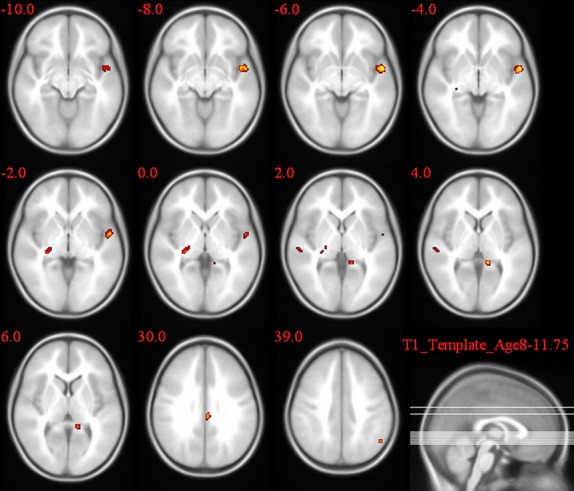
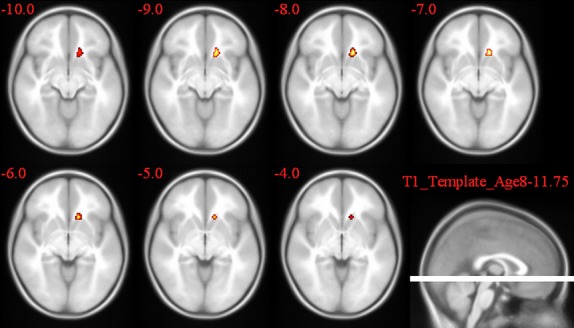
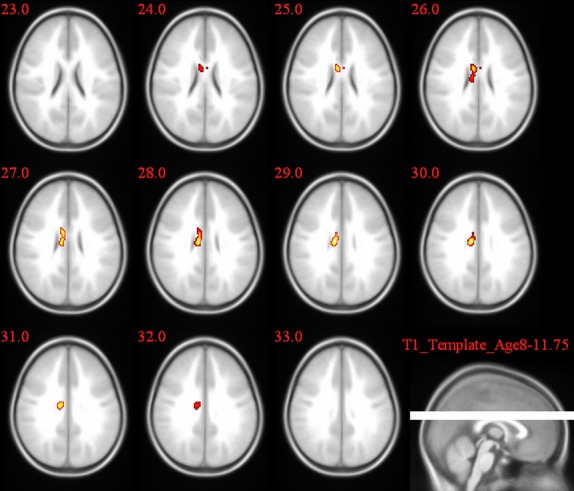
Compared to monolingual controls, bilingual children showed higher behavioral congruency effect of these tasks, which is matched by the recruitment of brain regions that are generally used in general cognitive control, language processing or to solve language conflict situations in bilinguals (caudate nucleus, posterior cingulate gyrus, STG, precuneus). Further, the activation of these areas was found to be higher in 2L1 compared to L2L.
The coupling of longer reaction times to the recruitment of extra language-related brain areas supports the hypothesis that when dealing with language conflicts the specialization of bilinguals hampers the way they can process with nonverbal conflicts, at least at early stages in life.
在日常交流中,双语者会在两种语言之间切换,这一过程涉及目标语言的选择以及将非目标语言的干扰降至最低。先前的研究已经揭示了双语者的神经结构以及与执行语言冲突任务相关的激活模式。然而,一个悬而未决的问题是,这种额外的语言切换在非语言冲突任务中是否会影响大脑功能。
在本研究中,我们使用功能磁共振成像(fMRI)来调查双语对执行两项涉及刺激-刺激和刺激-反应冲突的非语言任务的儿童的影响。三组8至11岁的儿童——从出生就双语的儿童(2L1)、第二语言学习者(L2L)和单语对照组(1L1)——在执行颜色西蒙任务和数字斯特鲁普任务时接受扫描。记录反应时间和准确性。
与单语对照组相比,双语儿童在这些任务中表现出更高的行为一致性效应,这与通常用于一般认知控制、语言处理或解决双语者语言冲突情况的脑区(尾状核、后扣带回、颞上回、楔前叶)的激活相匹配。此外,发现这些区域在2L1组中的激活高于L2L组。
较长的反应时间与额外的语言相关脑区的激活之间的耦合支持了这样一种假设,即当处理语言冲突时,双语者的专业化会阻碍他们处理非语言冲突的方式,至少在生命早期是这样。