Ingre Michael, Van Leeuwen Wessel, Klemets Tomas, Ullvetter Christer, Hough Stephen, Kecklund Göran, Karlsson David, Åkerstedt Torbjörn
Stress Research Institute, Stockholm University, Stockholm, Sweden.
Jeppesen Systems AB, Göteborg, Sweden.
PLoS One. 2014 Oct 20;9(10):e108679. doi: 10.1371/journal.pone.0108679. eCollection 2014.
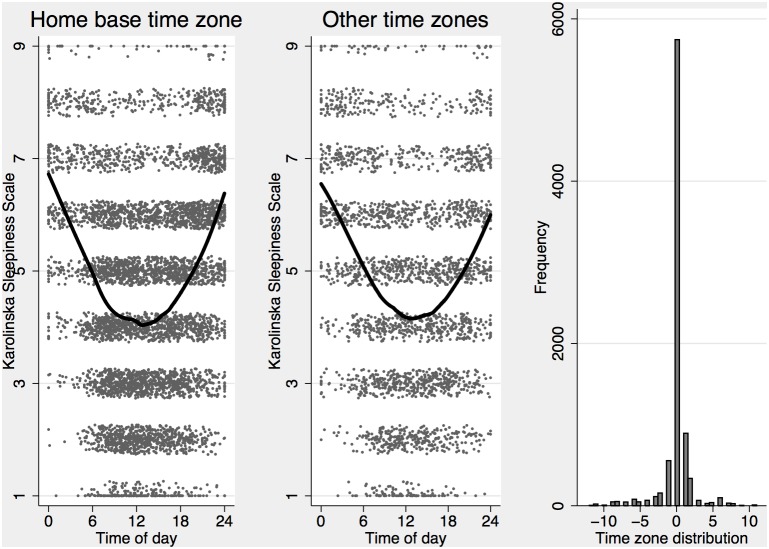
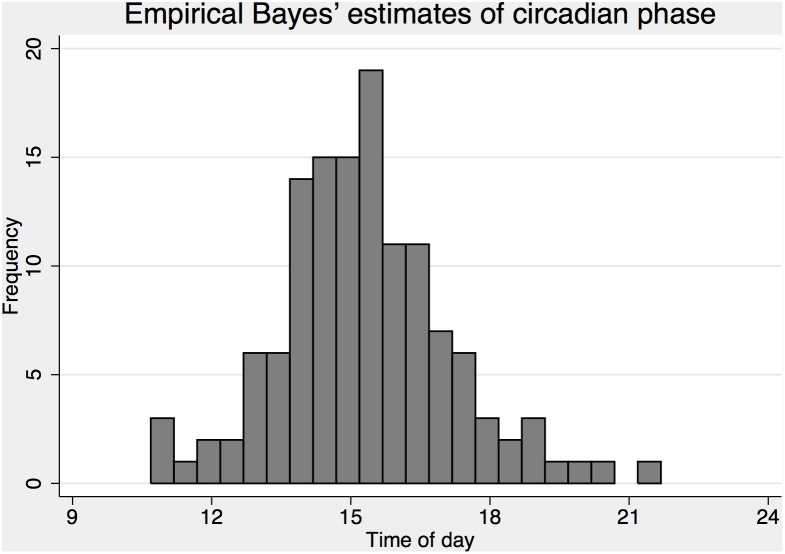
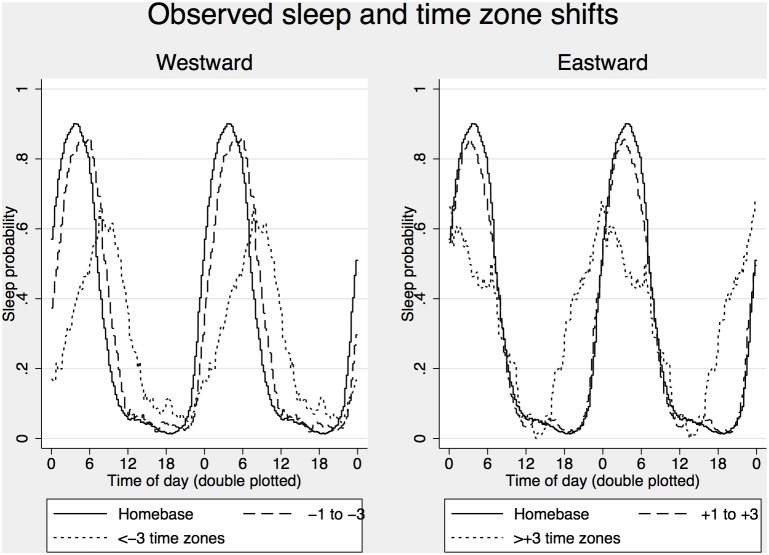
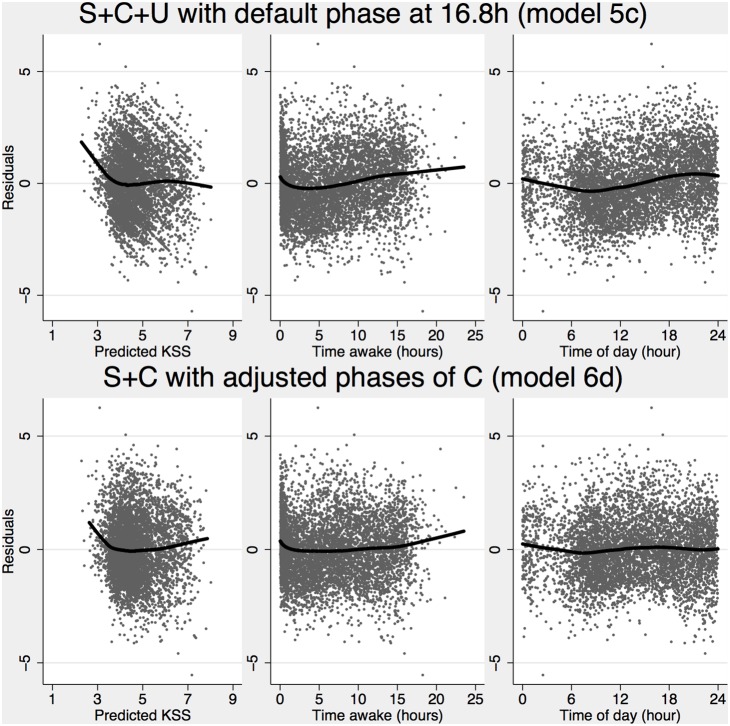
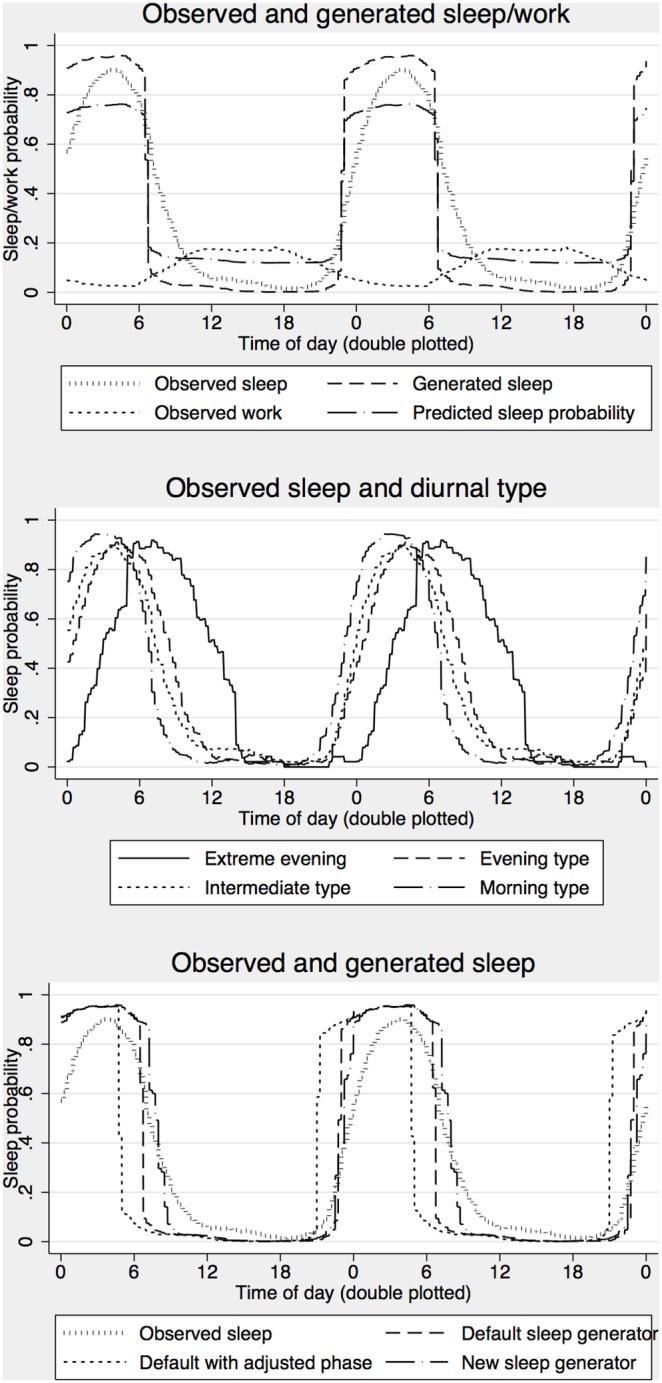
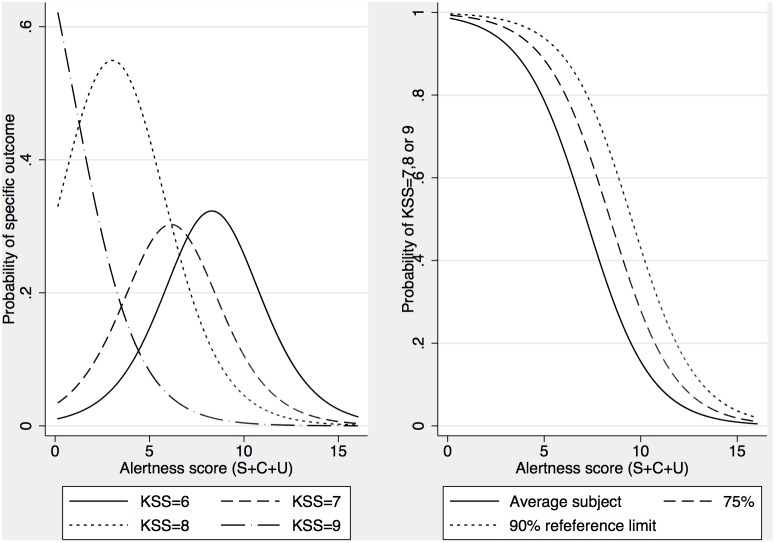
Sleepiness and fatigue are important risk factors in the transport sector and bio-mathematical sleepiness, sleep and fatigue modeling is increasingly becoming a valuable tool for assessing safety of work schedules and rosters in Fatigue Risk Management Systems (FRMS). The present study sought to validate the inner workings of one such model, Three Process Model (TPM), on aircrews and extend the model with functions to model jetlag and to directly assess the risk of any sleepiness level in any shift schedule or roster with and without knowledge of sleep timings. We collected sleep and sleepiness data from 136 aircrews in a real life situation by means of an application running on a handheld touch screen computer device (iPhone, iPod or iPad) and used the TPM to predict sleepiness with varying level of complexity of model equations and data. The results based on multilevel linear and non-linear mixed effects models showed that the TPM predictions correlated with observed ratings of sleepiness, but explorative analyses suggest that the default model can be improved and reduced to include only two-processes (S+C), with adjusted phases of the circadian process based on a single question of circadian type. We also extended the model with a function to model jetlag acclimatization and with estimates of individual differences including reference limits accounting for 50%, 75% and 90% of the population as well as functions for predicting the probability of any level of sleepiness for ecological assessment of absolute and relative risk of sleepiness in shift systems for safety applications.
嗜睡和疲劳是运输行业中的重要风险因素,生物数学嗜睡、睡眠和疲劳建模正日益成为疲劳风险管理系统(FRMS)中评估工作时间表和轮班安排安全性的宝贵工具。本研究旨在验证一种此类模型——三过程模型(TPM)在机组人员中的内部运作情况,并扩展该模型,使其具有模拟时差反应的功能,以及在知晓或不知晓睡眠时间的情况下,直接评估任何轮班时间表或轮班安排中任何嗜睡水平风险的功能。我们通过在手持触摸屏计算机设备(iPhone、iPod或iPad)上运行的应用程序,在实际生活情境中收集了136名机组人员的睡眠和嗜睡数据,并使用TPM以不同复杂度的模型方程和数据来预测嗜睡情况。基于多层次线性和非线性混合效应模型的结果表明,TPM预测结果与观察到的嗜睡评分相关,但探索性分析表明,默认模型可以改进并简化为仅包含两个过程(S + C),基于一个关于昼夜节律类型的单一问题来调整昼夜节律过程的阶段。我们还扩展了该模型,增加了一个模拟时差适应的功能,以及个体差异估计,包括占人口50%、75%和90%的参考限值,还有用于预测任何嗜睡水平概率的功能,以便对轮班系统中嗜睡的绝对和相对风险进行生态评估,用于安全应用。