1] Wyss Institute for Biologically Inspired Engineering, Harvard University, Boston, Massachusetts 02115, USA [2] Department of Cancer Biology, Dana-Farber Cancer Institute, Harvard Medical School, Boston, Massachusetts 02115, USA [3] Department of Biological Chemistry and Molecular Pharmacology, Harvard Medical School, Boston, Massachusetts 02115, USA.
1] Wyss Institute for Biologically Inspired Engineering, Harvard University, Boston, Massachusetts 02115, USA [2] Harvard-MIT Division of Health Sciences and Technology, Massachusetts Institute of Technology, Cambridge, Massachusetts 02139, USA.
Nat Chem. 2014 Nov;6(11):994-1002. doi: 10.1038/nchem.2083. Epub 2014 Oct 19.
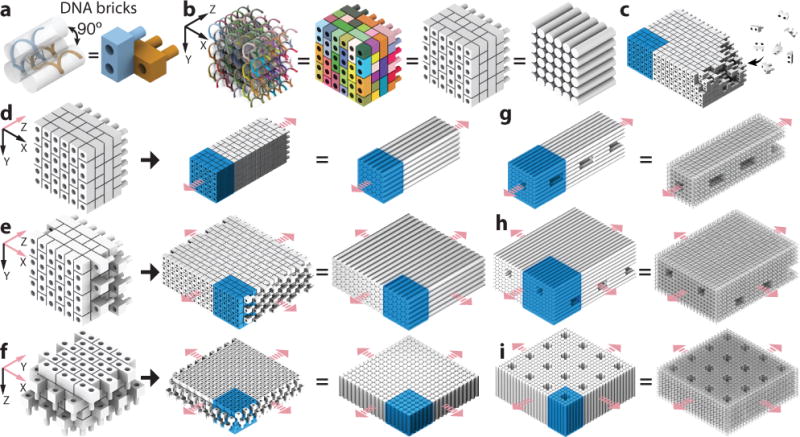
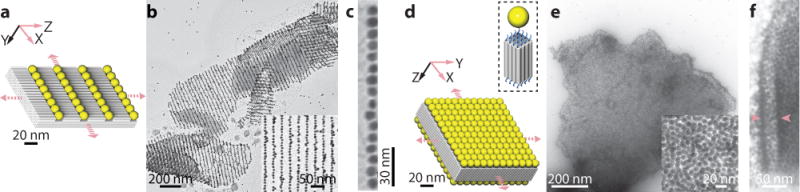
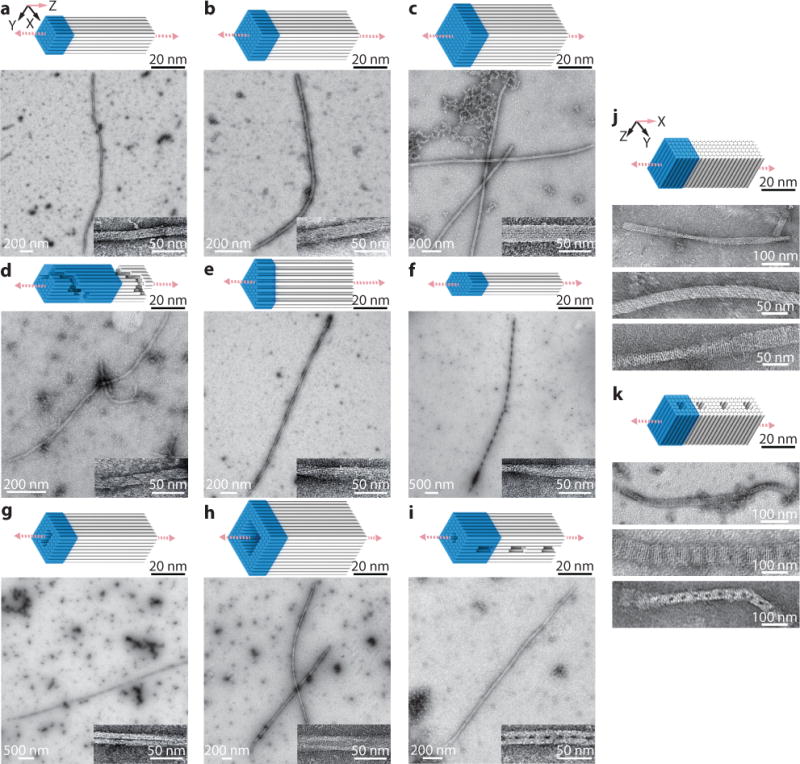
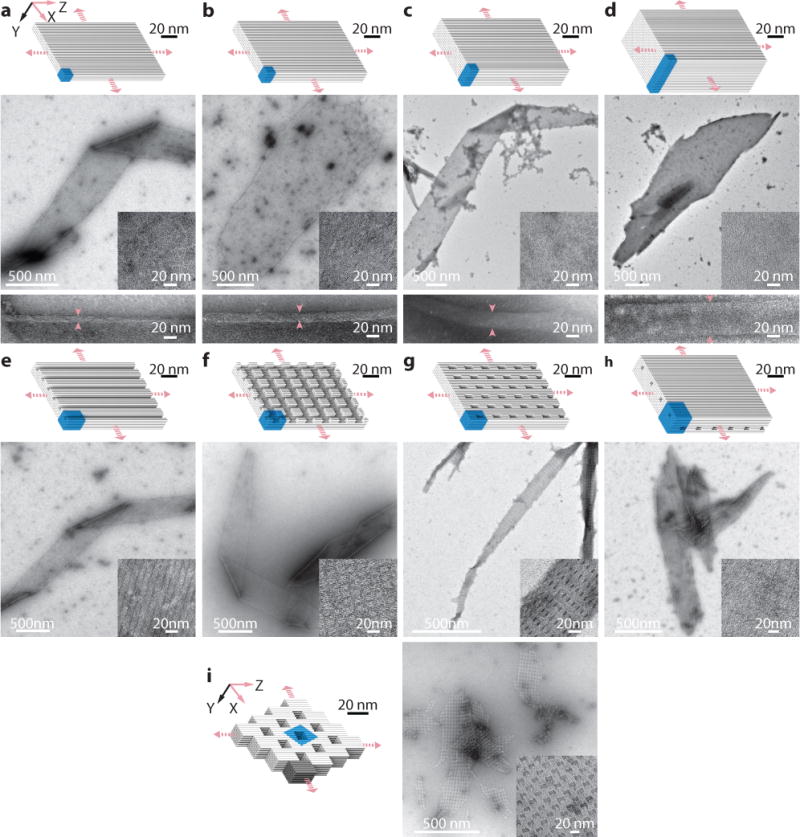
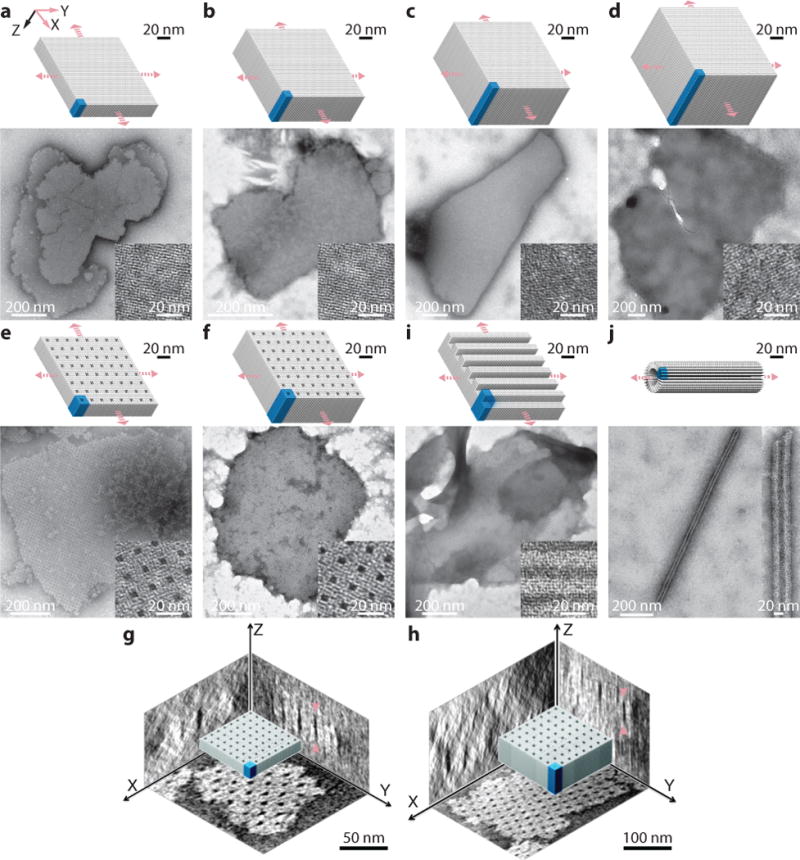
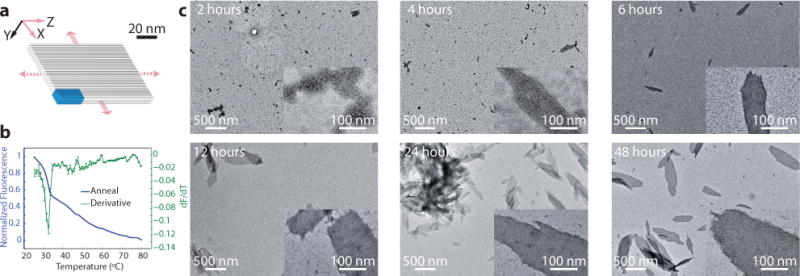
The ability to assemble functional materials with precise spatial arrangements is important for applications ranging from protein crystallography to photovoltaics. Here, we describe a general framework for constructing two-dimensional crystals with prescribed depths and sophisticated three-dimensional features. The crystals are self-assembled from single-stranded DNA components called DNA bricks. We demonstrate the experimental construction of DNA brick crystals that can grow to micrometre size in their lateral dimensions with precisely controlled depths up to 80 nm. They can be designed to pack DNA helices at angles parallel or perpendicular to the plane of the crystal and to display user-specified sophisticated three-dimensional nanoscale features, such as continuous or discontinuous cavities and channels.
具有精确空间排列的功能材料的组装能力对于从蛋白质结晶学到光伏的各种应用都很重要。在这里,我们描述了一种构建具有预定深度和复杂三维特征的二维晶体的通用框架。这些晶体是由称为 DNA 积木的单链 DNA 组件自组装而成的。我们展示了 DNA 积木晶体的实验构建,这些晶体可以在其侧向尺寸上生长到微米大小,深度精确控制在 80nm 以内。它们可以设计为以平行或垂直于晶体平面的角度包装 DNA 螺旋,并显示用户指定的复杂三维纳米级特征,例如连续或不连续的腔和通道。