Lomagno Karla A, Hu Feifei, Riddell Lynn J, Booth Alison O, Szymlek-Gay Ewa A, Nowson Caryl A, Byrne Linda K
School of Psychology, Deakin University, 221 Burwood Highway, Burwood, Melbourne, Victoria 3125, Australia.
Centre for Physical Activity and Nutrition Research, School of Exercise and Nutrition Sciences, Deakin University, 221 Burwood Highway, Burwood, Melbourne, Victoria 3125, Australia.
Nutrients. 2014 Nov 14;6(11):5117-41. doi: 10.3390/nu6115117.
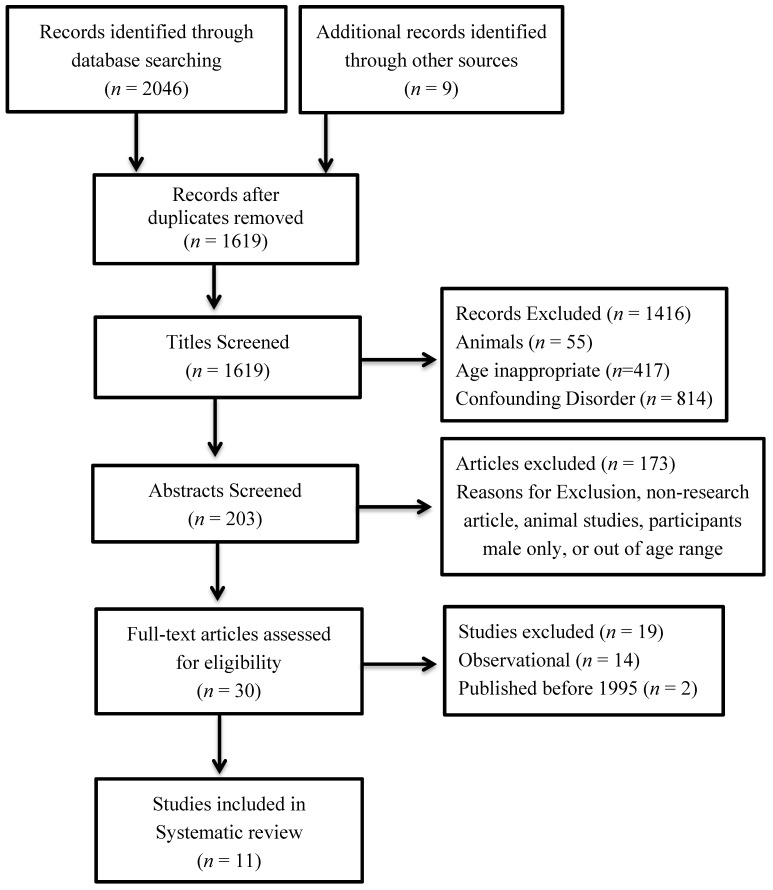
Iron and zinc are essential minerals often present in similar food sources. In addition to the adverse effects of frank iron and zinc-deficient states, iron insufficiency has been associated with impairments in mood and cognition. This paper reviews current literature on iron or zinc supplementation and its impact on mood or cognition in pre-menopausal women. Searches included MEDLINE complete, Excerpta Medica Database (EMBASE), psychINFO, psychARTICLES, pubMED, ProQuest Health and Medical Complete Academic Search complete, Scopus and ScienceDirect. Ten randomized controlled trials and one non-randomized controlled trial were found to meet the inclusion criteria. Seven studies found improvements in aspects of mood and cognition after iron supplementation. Iron supplementation appeared to improve memory and intellectual ability in participants aged between 12 and 55 years in seven studies, regardless of whether the participant was initially iron insufficient or iron-deficient with anaemia. The review also found three controlled studies providing evidence to suggest a role for zinc supplementation as a treatment for depressive symptoms, as both an adjunct to traditional antidepressant therapy for individuals with a diagnosis of major depressive disorder and as a therapy in its own right in pre-menopausal women with zinc deficiency. Overall, the current literature indicates a positive effect of improving zinc status on enhanced cognitive and emotional functioning. However, further study involving well-designed randomized controlled trials is needed to identify the impact of improving iron and zinc status on mood and cognition.
铁和锌是必需矿物质,通常存在于相似的食物来源中。除了明显的缺铁和缺锌状态会产生不良影响外,铁缺乏还与情绪和认知障碍有关。本文综述了关于铁或锌补充剂及其对绝经前女性情绪或认知影响的当前文献。检索数据库包括MEDLINE完整版、医学文摘数据库(EMBASE)、心理信息数据库(psychINFO)、心理学期刊全文数据库(psychARTICLES)、pubMED、ProQuest健康与医学完整版学术搜索、Scopus和ScienceDirect。发现有10项随机对照试验和1项非随机对照试验符合纳入标准。7项研究发现补铁后情绪和认知方面有所改善。在7项研究中,补铁似乎改善了12至55岁参与者的记忆力和智力,无论参与者最初是铁缺乏还是缺铁性贫血。该综述还发现3项对照研究提供了证据,表明补充锌可作为治疗抑郁症状的一种方法,既可以作为诊断为重度抑郁症患者传统抗抑郁治疗的辅助手段,也可以作为绝经前缺锌女性的一种独立治疗方法。总体而言,当前文献表明改善锌状态对增强认知和情绪功能有积极作用。然而,需要进一步开展设计良好的随机对照试验研究,以确定改善铁和锌状态对情绪和认知的影响。