Makulska Irena, Szczepańska Maria, Drożdż Dorota, Polak-Jonkisz Dorota, Zwolińska Danuta
Department of Pediatric Nephrology, Wrocław Medical University, ul. Borowska 213, 50-556, Wrocław, Poland,
Pediatr Nephrol. 2015 May;30(5):811-9. doi: 10.1007/s00467-014-2997-y. Epub 2014 Nov 20.
Skin autofluorescence (sAF) was examined as a marker of the accumulation of advanced glycation end products (AGEs) in tissues of children with chronic kidney disease (CKD) in relation to renal function, dialysis modality and markers of endothelial inflammation and dysfunction.
A total of 76 children with CKD were enrolled in the study, of whom 20 children were on hemodialysis (HD), 20 were on peritoneal dialysis (PD) and 36 were treated conservatively. A control group of 26 healthy subjects was also included in the study. In all children, sAF intensity, carotid intima-media (cIMT) thickness and plasma concentrations of sE-selectin, matrix metalloproteinase 9 (MMP-9), tissue inhibitor of metalloproteinase 1 (TIMP-1), asymmetric dimethylarginine (ADMA), symmetric dimethylarginine (SDMA) and plasminogen activator inhibitor type 1 (PAI-1) were measured.
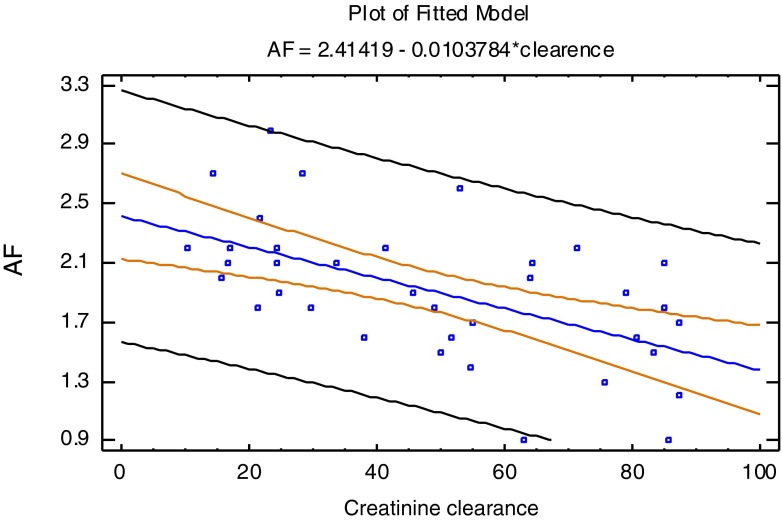
Compared to the controls, children with CKD had significantly elevated sAF levels. sAF in the children with CKD was positively correlated with sE-selectin, MMP-9, TIMP-1, ADMA, SDMA and PAI-1 levels. In the predialysis group (conservative treatment) sAF levels were positively correlated with sE-selectin and ADMA levels and negatively correlated with glomerular filtration rate. Multiple regression analysis showed a significant association of sAF with sE-selectin and MMP-9 in CKD children.
The results reveal that AGEs were accumulated in the children with CKD. This accumulation was related to early vascular changes and a number of biochemical vascular risk markers. sAF measurement, as a noninvasive method, may be useful for identification of clinical risk factors of vascular disease in CKD children.
研究皮肤自体荧光(sAF)作为慢性肾脏病(CKD)患儿组织中晚期糖基化终末产物(AGEs)蓄积的标志物,探讨其与肾功能、透析方式以及内皮炎症和功能障碍标志物之间的关系。
本研究共纳入76例CKD患儿,其中20例接受血液透析(HD),20例接受腹膜透析(PD),36例接受保守治疗。还纳入了26名健康受试者作为对照组。检测了所有儿童的sAF强度、颈动脉内膜中层(cIMT)厚度以及血浆中sE-选择素、基质金属蛋白酶9(MMP-9)、金属蛋白酶组织抑制剂1(TIMP-1)、不对称二甲基精氨酸(ADMA)、对称二甲基精氨酸(SDMA)和纤溶酶原激活物抑制剂1型(PAI-1)的浓度。
与对照组相比,CKD患儿的sAF水平显著升高。CKD患儿的sAF与sE-选择素、MMP-9、TIMP-1、ADMA、SDMA和PAI-1水平呈正相关。在透析前组(保守治疗)中,sAF水平与sE-选择素和ADMA水平呈正相关,与肾小球滤过率呈负相关。多元回归分析显示,CKD患儿的sAF与sE-选择素和MMP-9显著相关。
结果表明,CKD患儿体内存在AGEs蓄积。这种蓄积与早期血管变化及多种生化血管风险标志物有关。sAF测量作为一种非侵入性方法,可能有助于识别CKD患儿血管疾病的临床危险因素。