Mahto Kaushal Kumar, Singh Ashutosh, Khandelwal Nitesh Kumar, Bhardwaj Nitin, Jha Jaykar, Prasad Rajendra
Membrane Biology Laboratory, School of Life Sciences, Jawaharlal Nehru University, New Delhi, India; Department of Biotechnology, Lalit Narayan Mithila University, Kameshwarnagar, Darbhanga, India.
Membrane Biology Laboratory, School of Life Sciences, Jawaharlal Nehru University, New Delhi, India.
PLoS One. 2014 Nov 25;9(11):e113664. doi: 10.1371/journal.pone.0113664. eCollection 2014.
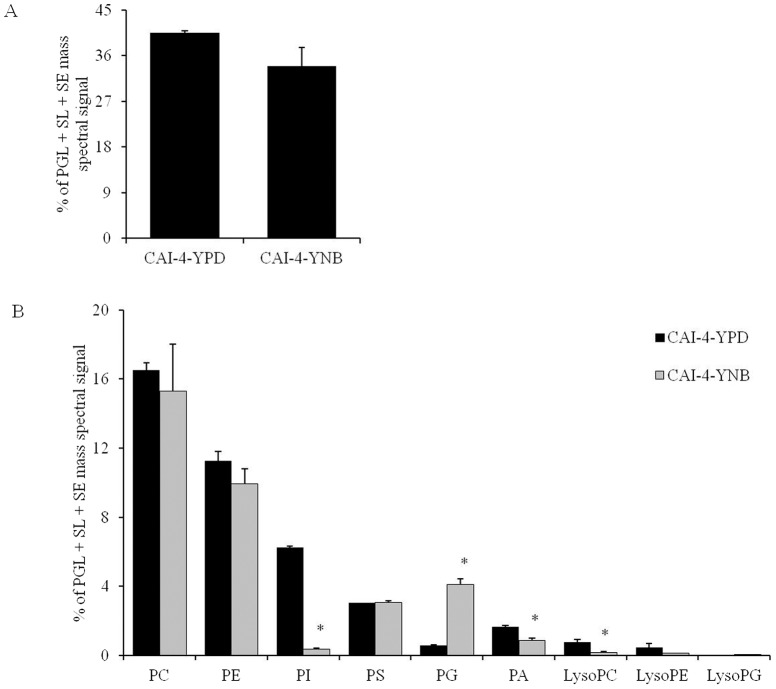
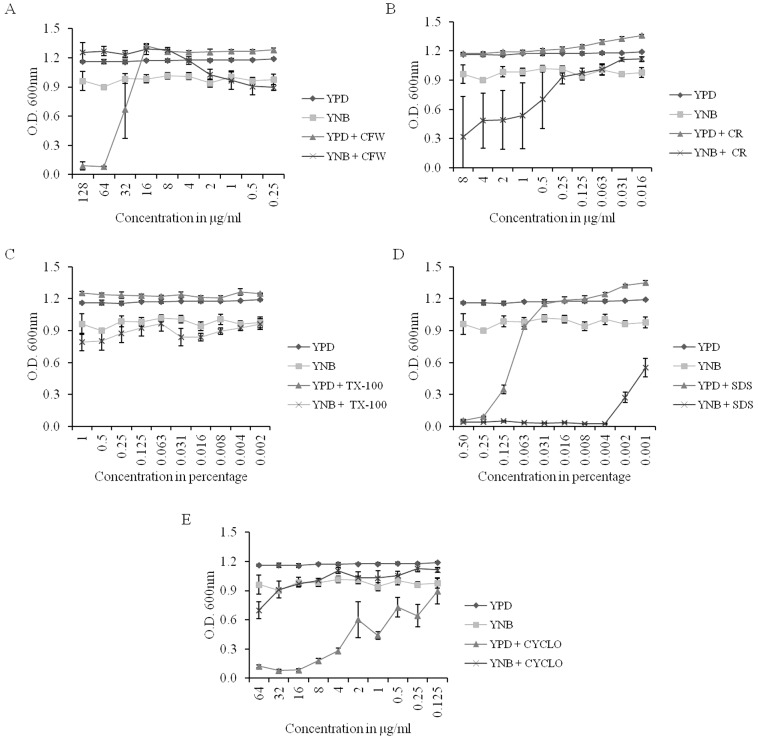
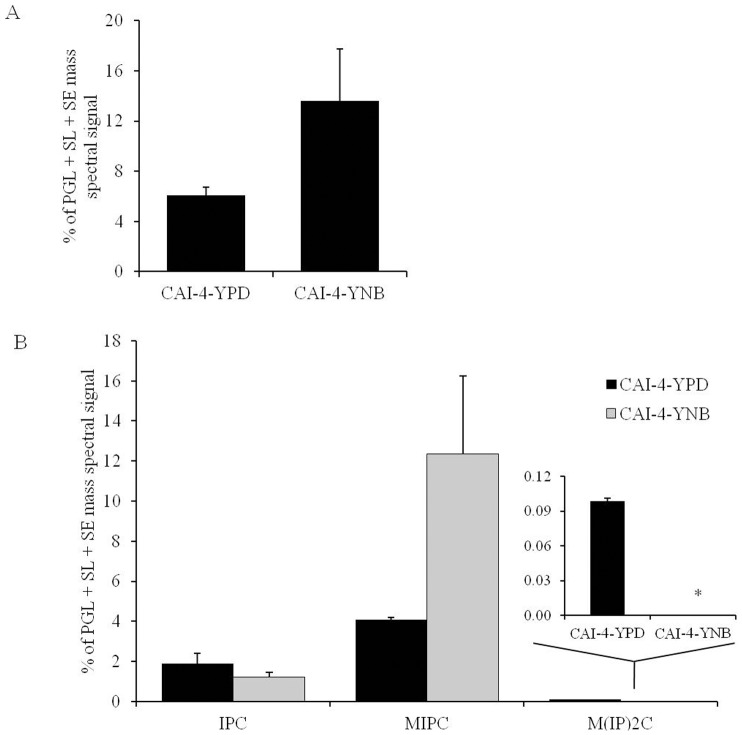
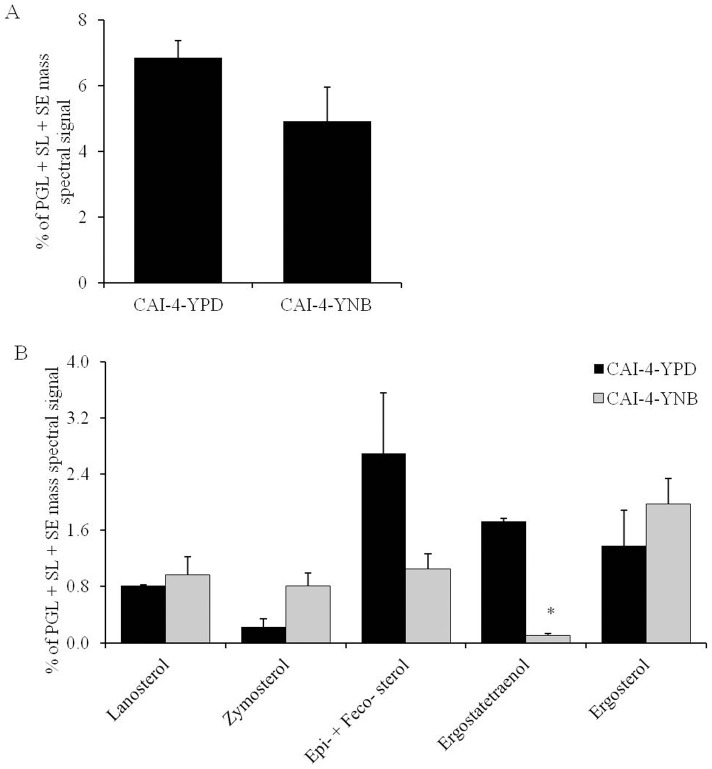
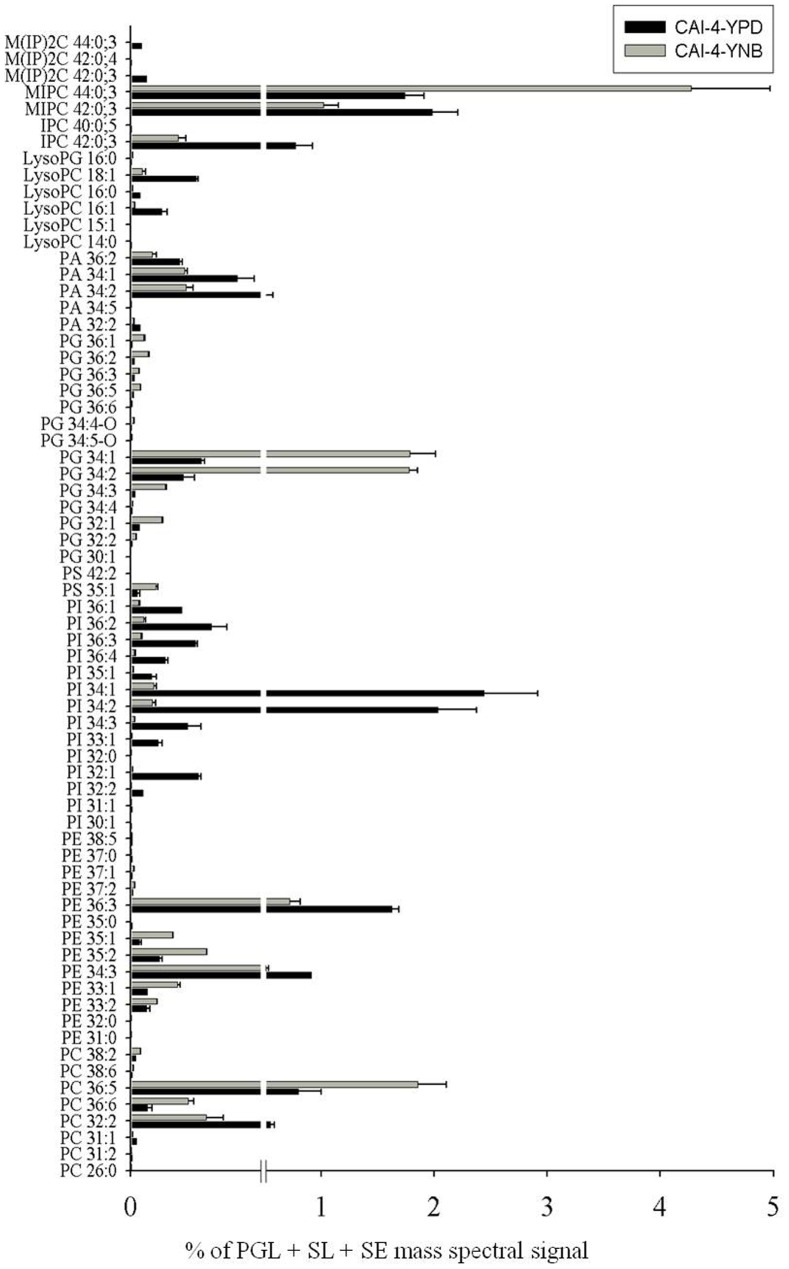
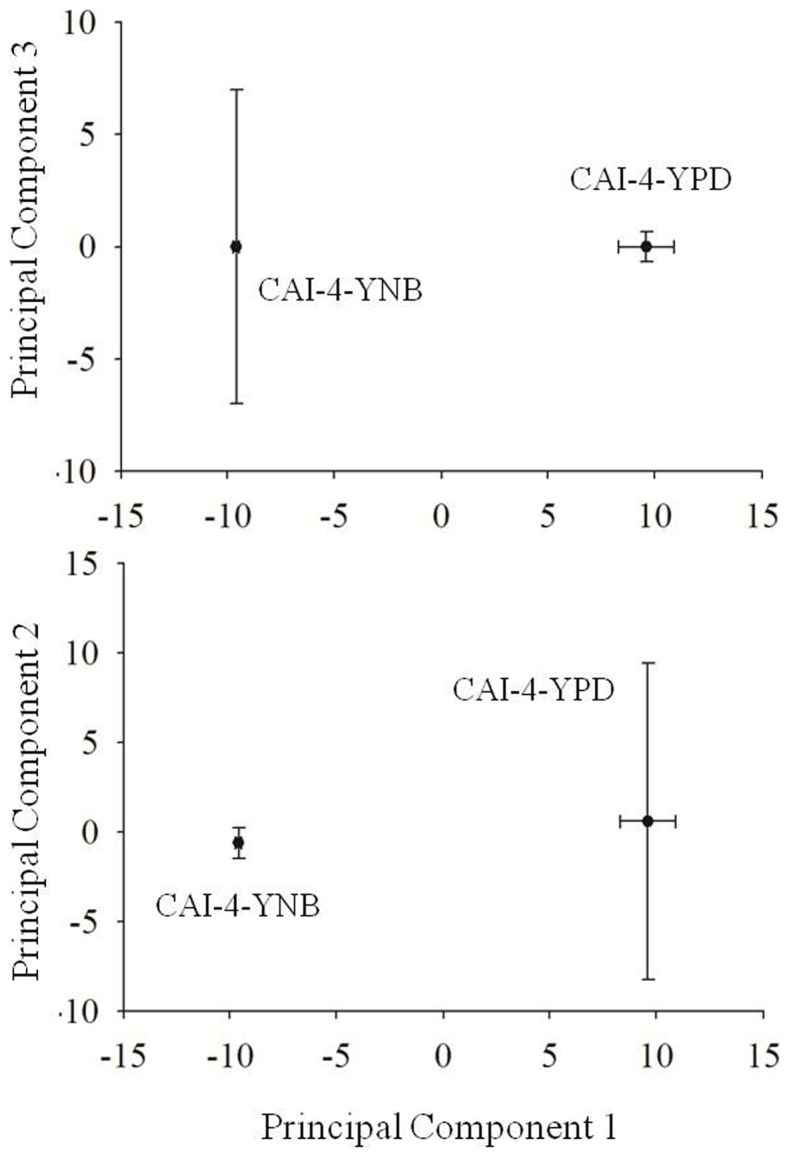
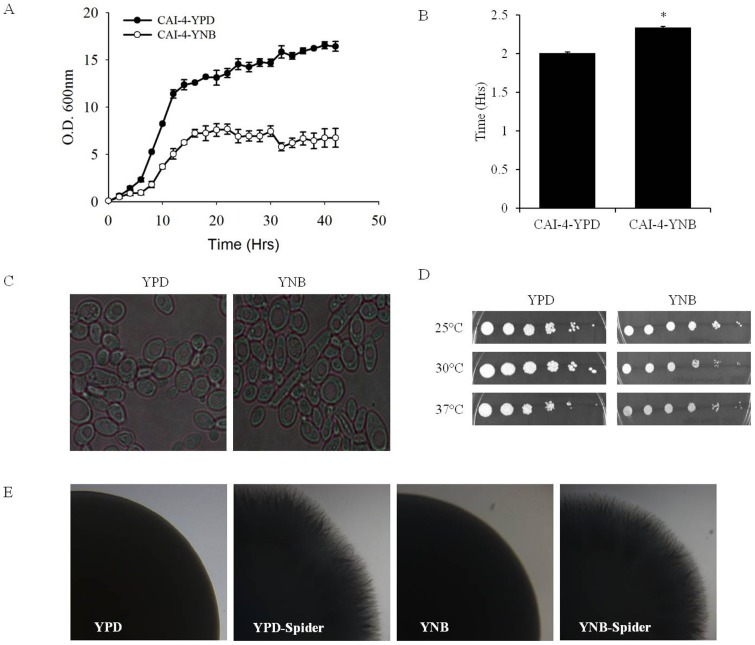
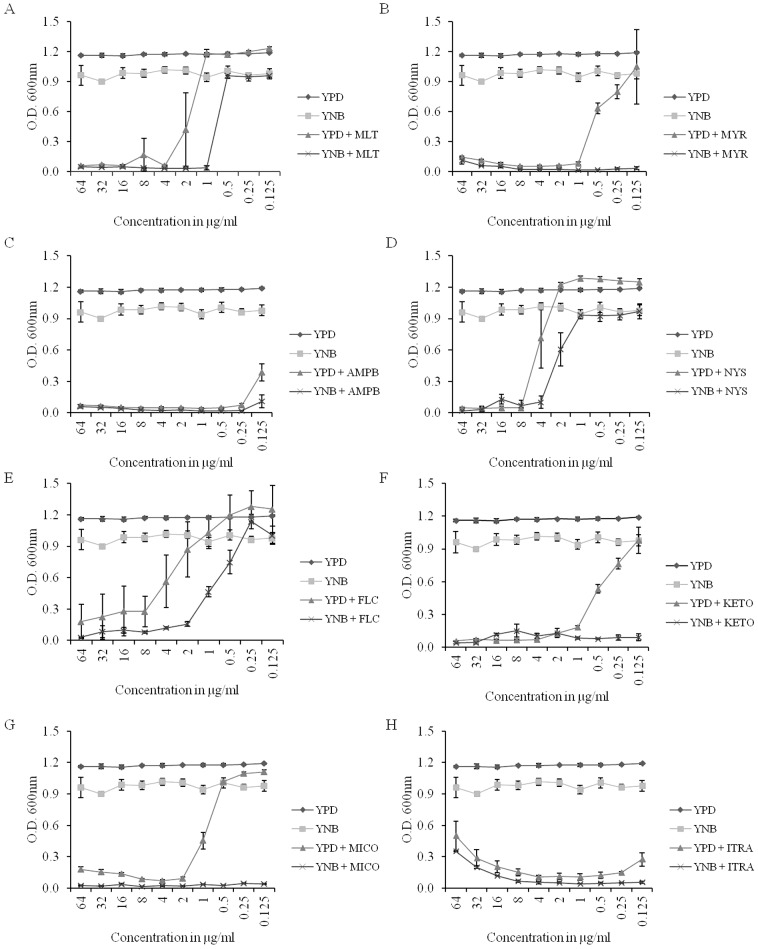
A critical question among the researchers working on fungal lipid biology is whether the use of an enriched growth medium can affect the lipid composition of a cell and, therefore, contribute to the observed phenotypes. One presumption is that enriched medias, such as YPD (yeast extract, peptone and dextrose), are likely to contain lipids, which may homogenize with the yeast lipids and play a role in masking the actual differences in the observed phenotypes or lead to an altered phenotype altogether. To address this issue, we compared the lipids of Candida albicans, our fungus of interest, grown in YPD or in a defined media such as YNB (yeast nitrogen base). Mass spectrometry-based lipid analyses showed differences in the levels of phospholipids, including phosphatidylinositol, phosphatidylglycerol, lyso-phospholipids; sphingolipids, such as mannosyldiinositolphosphorylceramide; and sterols, such as ergostatetraenol. Significant differences were observed in 70 lipid species between the cells grown in the two media, but the two growth conditions did not affect the morphological characteristics of C. albicans. The lipid profiles of the YNB- and YPD-grown C. albicans cells did vary, but these differences did not influence their response to the majority of the tested agents. Rather, the observed differences could be attributed to the slow growth rate of the Candida cells in YNB compared to YPD. Notably, the altered lipid changes between the two media did impact the susceptibility to some drugs. This data provided evidence that changes in media can lead to certain lipid alterations, which may affect specific pathways but, in general, do not affect the majority of the phenotypic properties of C. albicans. It was determined that either YNB or YPD may be suitable for the growth and lipid analysis of C. albicans, depending upon the experimental requirements, but additional precautions are necessary when correlating the phenotypes with the lipids.
从事真菌脂质生物学研究的人员面临的一个关键问题是,使用营养丰富的生长培养基是否会影响细胞的脂质组成,进而导致所观察到的表型。一种推测是,营养丰富的培养基,如YPD(酵母提取物、蛋白胨和葡萄糖),可能含有脂质,这些脂质可能与酵母脂质混合,从而掩盖所观察到的表型的实际差异,或者完全导致表型改变。为了解决这个问题,我们比较了在YPD或特定培养基(如YNB(酵母氮源))中生长的白色念珠菌(我们感兴趣的真菌)的脂质。基于质谱的脂质分析显示,磷脂水平存在差异,包括磷脂酰肌醇、磷脂酰甘油、溶血磷脂;鞘脂,如甘露糖二肌醇磷酸神经酰胺;以及甾醇,如麦角四烯醇。在两种培养基中生长的细胞之间,在70种脂质种类上观察到显著差异,但两种生长条件并未影响白色念珠菌的形态特征。在YNB和YPD中生长的白色念珠菌细胞的脂质谱确实有所不同,但这些差异并未影响它们对大多数测试药物的反应。相反,观察到的差异可能归因于与YPD相比,白色念珠菌细胞在YNB中的生长速度较慢。值得注意的是,两种培养基之间脂质变化的改变确实影响了对某些药物的敏感性。这些数据表明,培养基的变化会导致某些脂质改变,这可能会影响特定途径,但总体上不会影响白色念珠菌的大多数表型特性。根据实验要求,确定YNB或YPD都可能适用于白色念珠菌的生长和脂质分析,但在将表型与脂质相关联时需要采取额外的预防措施。