Na-Bangchang Kesara, Karbwang Juntra
Chulabhorn International College of Medicine, Thammasat University , Thailand.
Department of Clinical Product Development, Institute of Tropical Medicine (NEKKEN), Nagasaki University.
Trop Med Health. 2014 Jun;42(2 Suppl):3-13. doi: 10.2149/tmh.2014-S01.
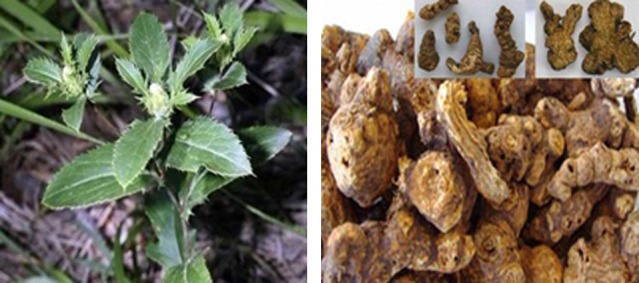
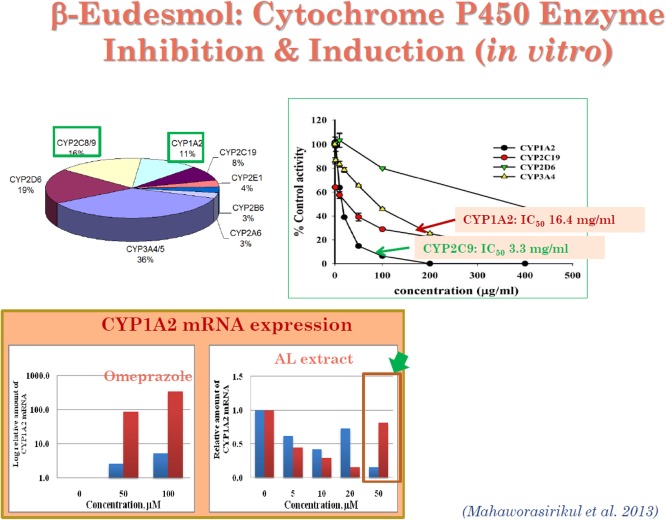
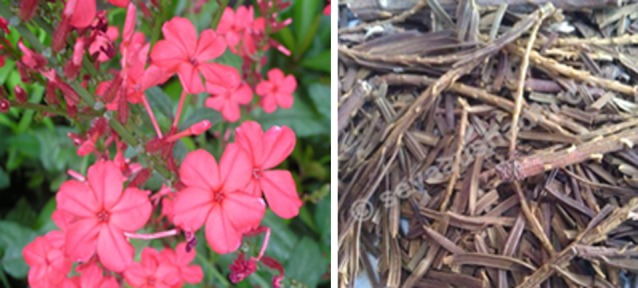
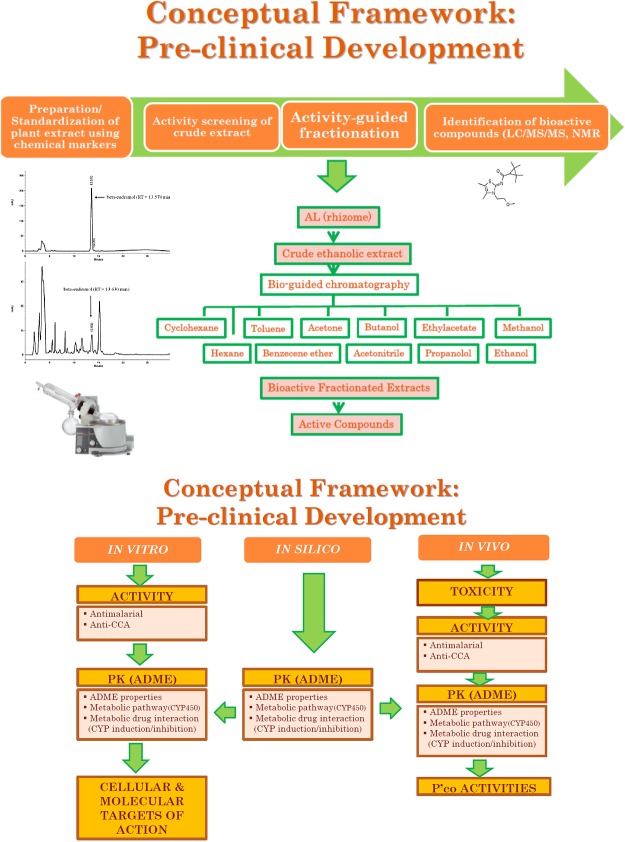
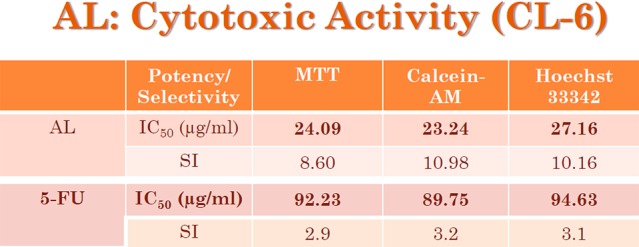
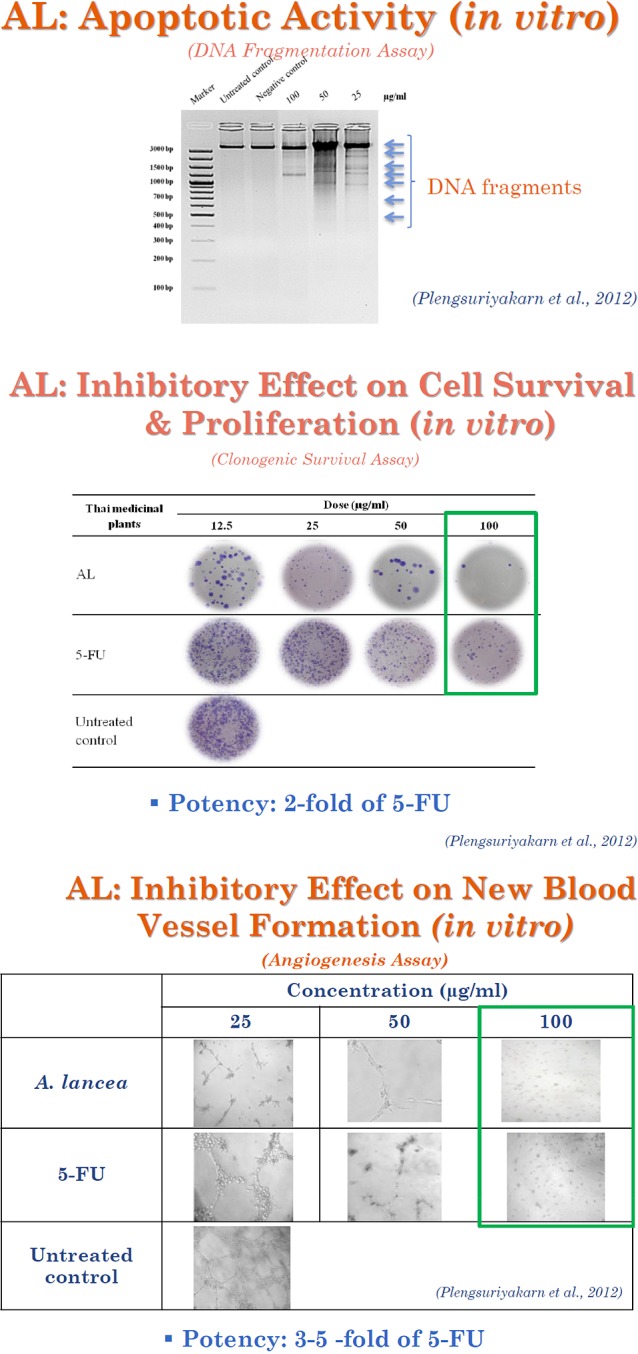
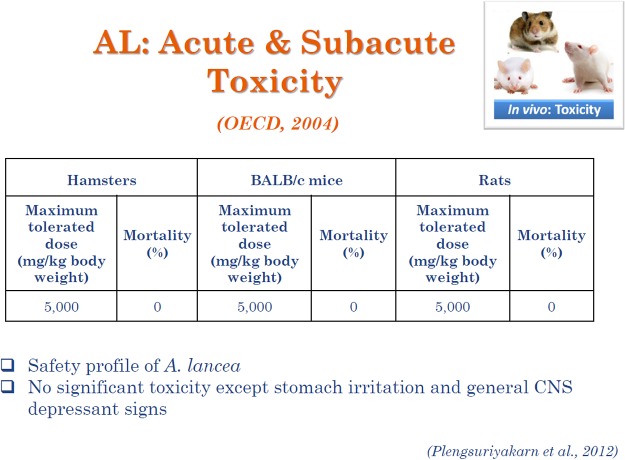
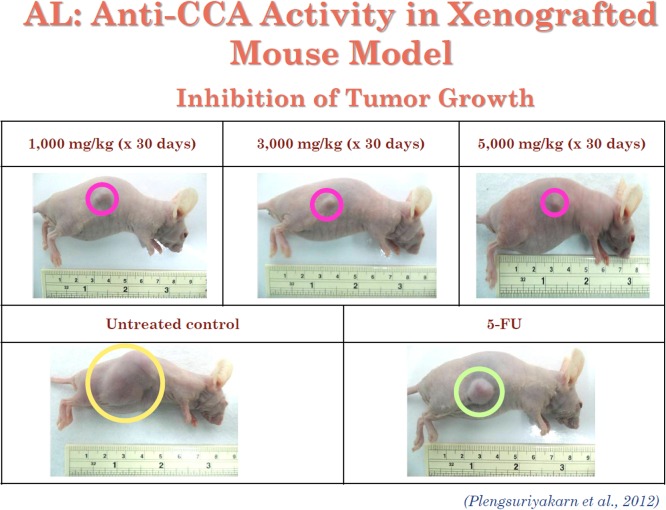
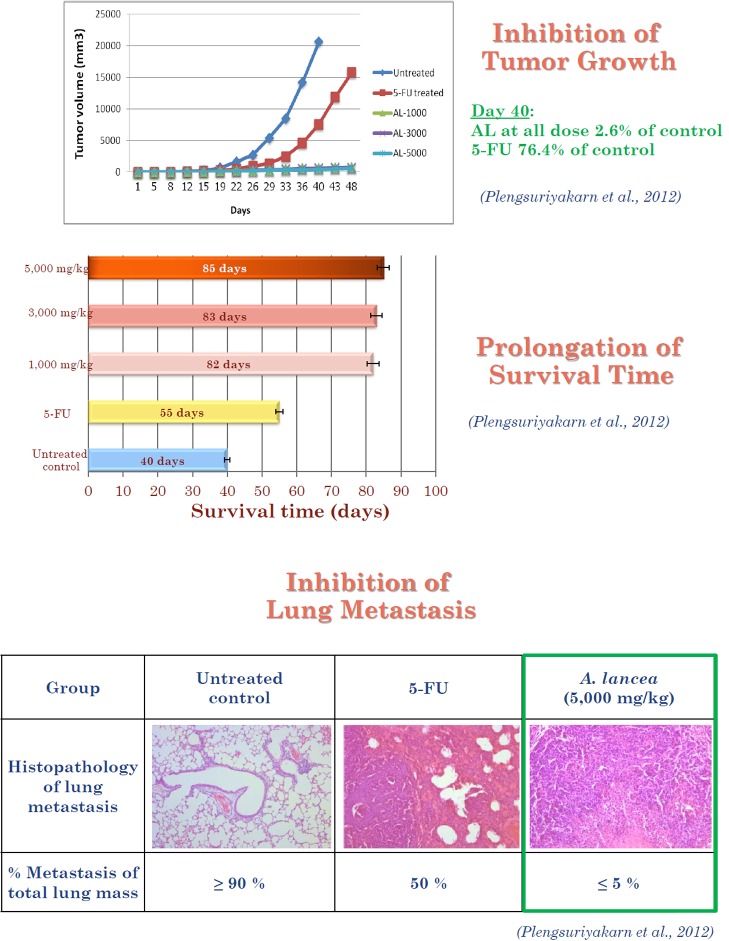
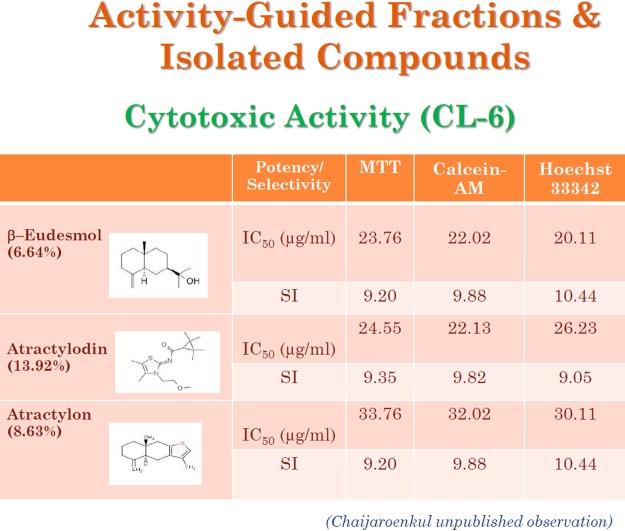
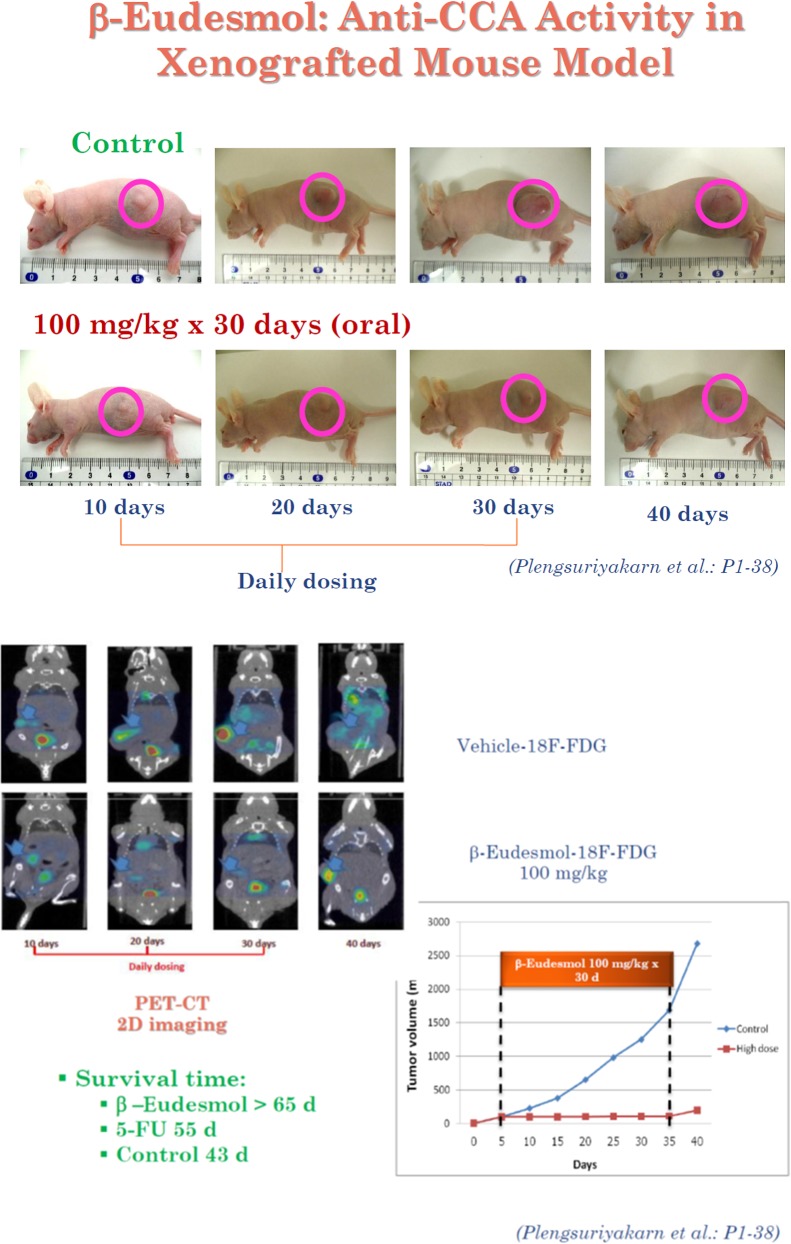
Throughout history, traditional herbal medicine has afforded a rich repository of remedies with diverse chemical structures and bioactivities against several health disorders. A common issue of herbal medicine is the limitation of information on their pharmacological activities and their active constituents. Traditionally, the use of herbal medicine has been based on empirical treatment and passed on from generation to generation with information available only in local journals. This prevents several herbal medicines from being developed to their full potential. The presentation will focus on research and development of Atractylodes lancea (Thunb) DC. (AL: family Compositae) as a potential chemotherapeutic for cholangiocarcinoma (CCA), the bile duct cancer commonly found in Southeast Asia. The dried rhizome of AL is a medicinal plant used in Chinese ("Cang Zhu"), Japan ("So-jutsu") and Thai ("Khod-Kha-Mao") traditional medicine for its various pharmacological properties including anticancer, anti-inflammation and antimicrobial activities, activities on central nervous, cardiovascular, and gastrointestinal systems. The major constituents in the essential oils from AL rhizome are β-eudesmol, hinesol and atractylon. Preliminary investigation has demonstrated its promising anti-CCA activity both in vitro and animal (Opisthorchis viverrini/dimethylnitrosamine-induced CCA in hamsters and CCA-xenografted nude mice) models with high selectivity index comparing with the standard drug, 5-fluorouracil. It also showed virtually no toxicity with only minimal CNS effects on locomotor activity at the maximum dose of 5,000 mg/kg body weight. Studies are underway to identify active constituent(s) which contribute to anti-CCA activity as well as its pharmacokinetic and pharmacodynamic properties. The main research interest of my research group is the discovery and development of traditional herbal medicine for the treatment of two important tropical diseases, cholangiocarcinoma and malaria. As the time is quite limited, I am going to give you the summary of the conceptual framework and highlight some important findings which will illustrate how different approaches have been used or applied for the discovery of the promising candidates for these two diseases.
纵观历史,传统草药为治疗多种健康疾病提供了丰富的药物宝库,这些药物具有多样的化学结构和生物活性。草药的一个常见问题是关于其药理活性及其活性成分的信息有限。传统上,草药的使用基于经验性治疗,并且代代相传,相关信息仅在地方期刊上可见。这使得几种草药无法充分发挥其潜力。本次报告将聚焦于对白术(菊科)作为胆管癌潜在化疗药物的研究与开发,胆管癌是东南亚常见的胆管癌症。白术的干燥根茎是一种药用植物,在中国(“苍术”)、日本(“术术”)和泰国(“Khod-Kha-Mao”)传统医学中因其多种药理特性而被使用,包括抗癌、抗炎和抗菌活性,以及对中枢神经、心血管和胃肠道系统的作用。白术根茎挥发油中的主要成分是β-桉叶醇、广藿香醇和苍术酮。初步研究表明,与标准药物5-氟尿嘧啶相比,其在体外和动物(华支睾吸虫/二甲基亚硝胺诱导的仓鼠胆管癌模型以及胆管癌异种移植裸鼠模型)模型中均具有有前景的抗胆管癌活性,且选择性指数高。在最大体重剂量为5000mg/kg时,它几乎没有毒性,仅对运动活动有极小的中枢神经系统影响。目前正在进行研究以确定有助于抗胆管癌活性的活性成分及其药代动力学和药效学特性。我的研究小组的主要研究兴趣是发现和开发用于治疗两种重要热带疾病——胆管癌和疟疾的传统草药。由于时间相当有限,我将向你们介绍概念框架的总结,并突出一些重要发现,这些发现将说明如何采用不同方法来发现这两种疾病的有前景的候选药物。