Bainbridge Roxanne, Tsey Komla, McCalman Janya, Towle Simon
The Cairns Institute, James Cook University, PO Box 6811, Cairns 4870, Australia.
BMC Public Health. 2014 Dec 13;14:1263. doi: 10.1186/1471-2458-14-1263.
Mentoring is a key predictor of empowerment and prospectively a game changer in the quest to improve health inequities. This systematic review reports on the state of evidence on mentoring for Indigenous Australians by identifying the quantity, nature, quality and characteristics of mentoring publications.
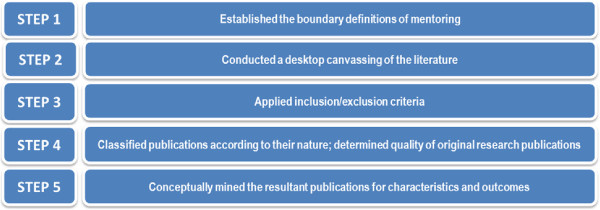
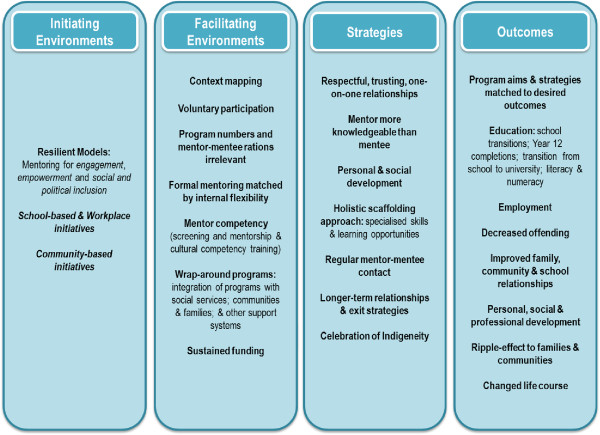
Thirteen databases were searched using specific search strings from 1983 - 2012. Grey literature was also canvassed. The resultant publications were mined to identify their outputs, nature, and quality. These were then conceptually mined for their characteristics to develop a model of mentoring that included the initiating environments, facilitating environments, operational strategies and outcomes.
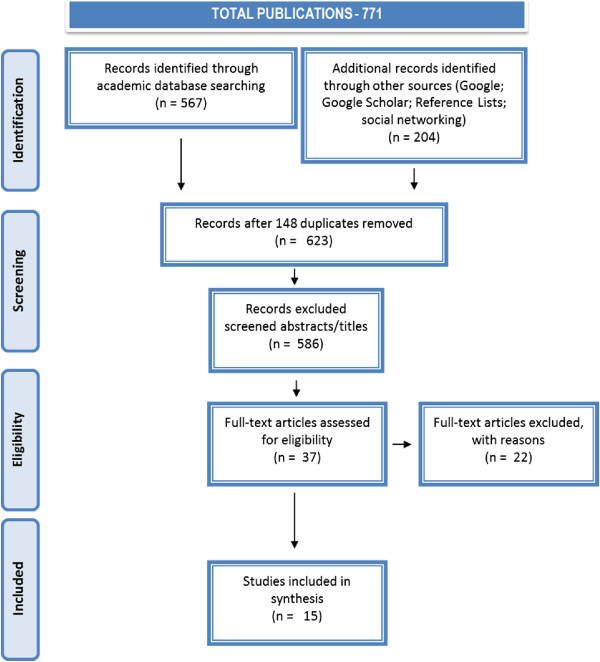
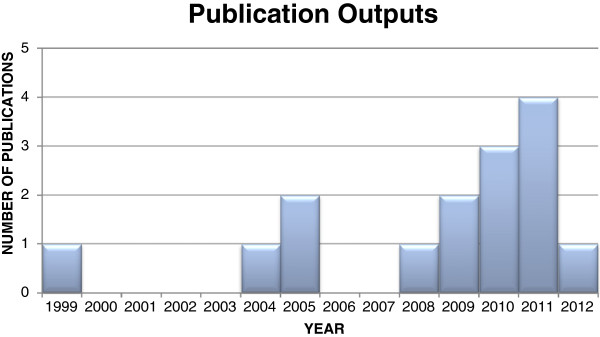
771 citations were identified; 37 full text publications met inclusion criteria and were assessed. Fifteen were eligible for review. Four of five original research publications used strong qualitative research designs. No publications were found before 1999; the largest proportion concentrated in 2011 (n = 4). Facilitating environments included: mapping participants' socio-cultural and economic context; formal mentoring practices with internal flexibility; voluntary participation; integrated models with wrap-around services; mentor/staff competencies; and sustained funding. Mentoring strategies comprised: holistic scaffolding approaches; respectful, trusting, one-on-one mentoring relationships; knowledgeable mentors; regular contact; longer-term relationships and exit strategies; culturally-tailored programs; personal and social development opportunities; and specialised skills and learning opportunities. Outcomes varied in accordance to program aims and included improvements in aspects of education and employment, offending behaviours, relationships, and personal, social and professional development.
Little research explored the effectiveness of mentoring, captured its impact qualitatively or quantitatively, developed appropriate measures or assessed its cost-effectiveness. There is a real need to evaluate programs particularly in terms of outcomes and, given there were no economic evaluations, costs. Commitments to improving Indigenous Australian mentoring rely on changes to funding structures and attitudes toward research. There was insufficient evidence to confidently prescribe a best practice model. Sufficient frequency of qualitative reporting between publications concluded that mentoring is a valuable empowerment strategy in the areas of health and wellbeing, education and employment and as a remedial and preventative measure in reducing offending behaviours. An evidence-informed mentoring model would take into account the key findings of the review.
指导是赋权的关键预测因素,并且前瞻性地看,在改善健康不平等的探索中是一个改变游戏规则的因素。本系统评价通过确定指导相关出版物的数量、性质、质量和特征,报告了澳大利亚原住民指导方面的证据状况。
使用特定检索词在1983年至2012年期间检索了13个数据库。还查阅了灰色文献。对所得出版物进行挖掘,以确定其产出、性质和质量。然后从概念上挖掘其特征,以建立一个指导模型,该模型包括启动环境、促进环境、操作策略和结果。
共识别出771条引文;37篇全文出版物符合纳入标准并进行了评估。其中15篇符合综述要求。五篇原始研究出版物中有四篇采用了强有力的定性研究设计。1999年之前未发现相关出版物;最大比例集中在2011年(n = 4)。促进环境包括:描绘参与者的社会文化和经济背景;具有内部灵活性的正式指导实践;自愿参与;与综合服务相结合的模式;指导者/工作人员的能力;以及持续的资金支持。指导策略包括:整体支架式方法;尊重、信任的一对一指导关系;知识渊博的指导者;定期联系;长期关系和退出策略;文化定制项目;个人和社会发展机会;以及专业技能和学习机会。结果因项目目标而异,包括教育和就业、犯罪行为、人际关系以及个人、社会和职业发展等方面的改善。
很少有研究探讨指导的有效性,定性或定量地捕捉其影响,制定适当的衡量标准或评估其成本效益。尤其有必要对项目进行评估,特别是在结果方面,而且鉴于没有经济评估,还要评估成本。改善澳大利亚原住民指导的承诺依赖于资金结构的改变和对研究的态度转变。没有足够的证据来自信地规定一个最佳实践模式。出版物之间定性报告的充分频率得出结论,指导在健康和福祉、教育和就业领域是一种有价值的赋权策略,并且作为减少犯罪行为的补救和预防措施。一个基于证据的指导模型将考虑到本综述的关键发现。