Wang Zhuo-Long, Luo Xiao-Fang, Li Meng-Tao, Xu Dong, Zhou Shuang, Chen Hou-Zao, Gao Na, Chen Zhen, Zhang Ling-Ling, Zeng Xiao-Feng
Department of Rheumatology, Peking Union Medical College Hospital, Peking Union Medical College and Chinese Academy of Medical Sciences, Key Laboratory of Rheumatology and Clinical Immunology, Ministry of Education, Beijing, China.
National Laboratory of Medical Molecular Biology, Institute of Basic Medical Science, Peking Union Medical College and Chinese Academy of Medical Sciences, Beijing, China.
PLoS One. 2014 Dec 11;9(12):e114792. doi: 10.1371/journal.pone.0114792. eCollection 2014.
Systemic lupus erythematosus (SLE) is a multisystemic autoimmune disease characterized by the production of autoantibodies. To date, no therapy has been found to satisfactorily treat SLE. SIRT1 deficiency results in the development of an autoimmune syndrome in mice, including a high titer of anti-nuclear antibody in serum, immunoglobulin deposition in the kidney, and immune complex glomerulonephritis. Resveratrol is an activator of SIRT1 and possesses anti-inflammation and immune-regulatory properties.
To evaluate the preventative effects of resveratrol on a pristane-induced lupus animal model and assess its putative immune modulation effects.
BALB/c mice received a single intraperitoneal injection of 0.5 ml of pristane on day 1 and then various doses of resveratrol were given to the mice daily starting on day 2 and continuing for seven months. The autoantibodies in serum and supernatants were measured. Single cells isolated from spleen, isolated CD4+ T cells, and CD19+ B cells were cultured with or without resveratrol in vitro and assessed by flow cytometry.
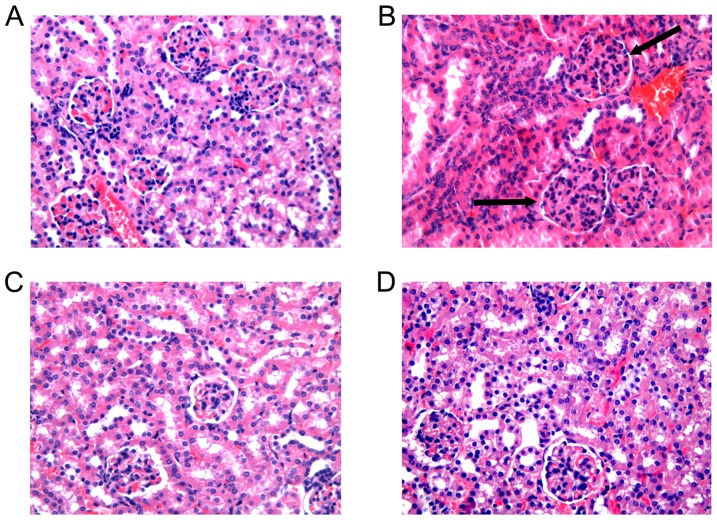
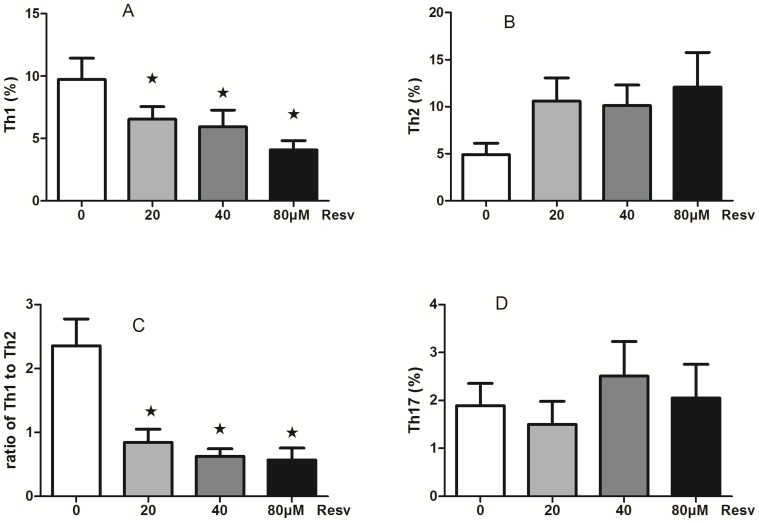
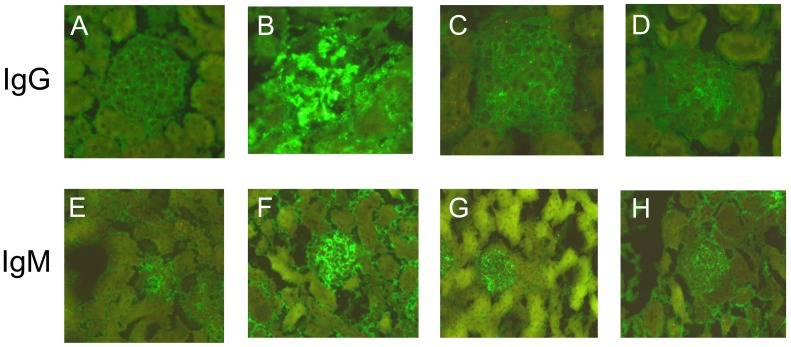
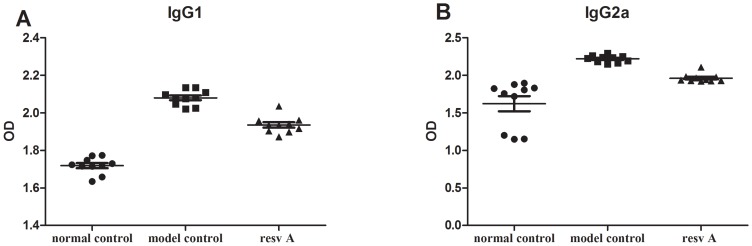
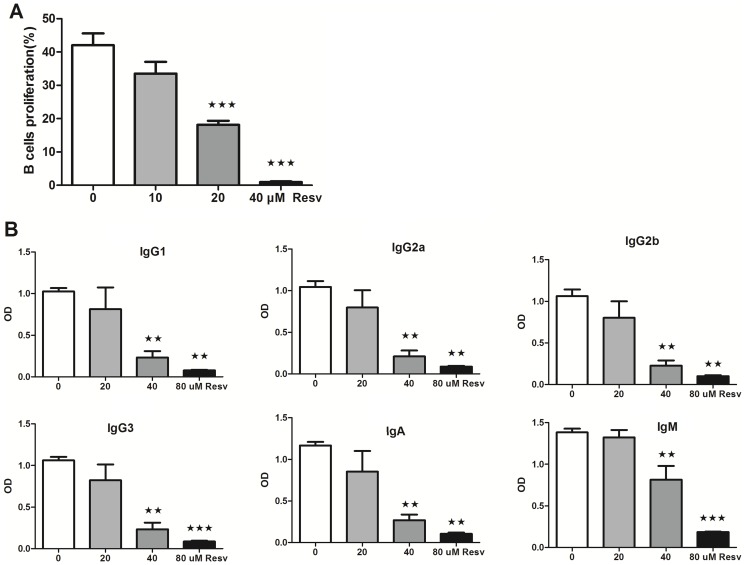
Resveratrol attenuated proteinuria, immunoglobuin depositon in kidney, and glomerulonephritis as well as IgG1 and IgG2a in serum in pristane-induced lupus mice. Resveratrol also suppressed CD69 and CD71 expression on CD4+ T cells as well as CD4+ T cell proliferation, induced CD4+ T cell apoptosis, and decreased CD4 IFNγ+ Th1 cells and the ratio of Th1/Th2 cells in vitro. In vitro antibody production and proliferation of B cells were also inhibited.
Resveratrol possesses protective effects in pristane-induced lupus mice and may represent a novel approach for the management of SLE.
系统性红斑狼疮(SLE)是一种多系统自身免疫性疾病,其特征为产生自身抗体。迄今为止,尚未发现能令人满意地治疗SLE的疗法。沉默调节蛋白1(SIRT1)缺乏会导致小鼠出现自身免疫综合征,包括血清中高滴度抗核抗体、肾脏中免疫球蛋白沉积以及免疫复合物性肾小球肾炎。白藜芦醇是SIRT1的激活剂,具有抗炎和免疫调节特性。
评估白藜芦醇对 pristane 诱导的狼疮动物模型的预防作用,并评估其假定的免疫调节作用。
BALB/c 小鼠在第 1 天腹腔注射 0.5 ml pristane,然后从第 2 天开始每天给小鼠给予不同剂量的白藜芦醇,并持续 7 个月。检测血清和上清液中的自身抗体。从脾脏分离的单细胞、分离的 CD4+ T 细胞和 CD19+ B 细胞在体外培养时添加或不添加白藜芦醇,并通过流式细胞术进行评估。
白藜芦醇减轻了 pristane 诱导的狼疮小鼠的蛋白尿、肾脏中免疫球蛋白沉积、肾小球肾炎以及血清中的 IgG1 和 IgG2a。白藜芦醇还抑制了 CD4+ T 细胞上 CD69 和 CD71 的表达以及 CD4+ T 细胞增殖,诱导 CD4+ T 细胞凋亡,并在体外降低了 CD4 IFNγ+ Th1 细胞和 Th1/Th2 细胞比例。体外 B 细胞的抗体产生和增殖也受到抑制。
白藜芦醇对 pristane 诱导的狼疮小鼠具有保护作用,可能代表了一种治疗 SLE 的新方法。