Hurley Brenden, Subramaniam Rajagopal, Guttman David S, Desveaux Darrell
a Department of Cell & Systems Biology; University of Toronto; Toronto, ON Canada.
Virulence. 2014;5(7):752-60. doi: 10.4161/viru.36329.
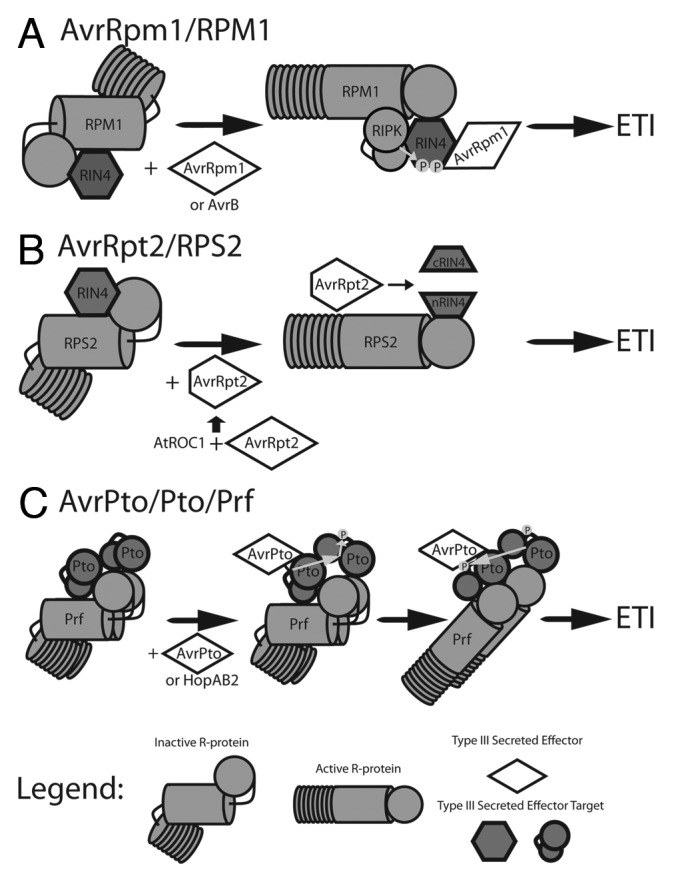
Effector-triggered immunity (ETI) was originally termed gene-for-gene resistance and dates back to fundamental observations of flax resistance to rust fungi by Harold Henry Flor in the 1940s. Since then, genetic and biochemical approaches have defined our current understanding of how plant "resistance" proteins recognize microbial effectors. More recently, proteomic approaches have expanded our view of the protein landscape during ETI and contributed significant advances to our mechanistic understanding of ETI signaling. Here we provide an overview of proteomic techniques that have been used to study plant ETI including both global and targeted approaches. We discuss the challenges associated with ETI proteomics and highlight specific examples from the literature, which demonstrate how proteomics is advancing the ETI research field.
效应子触发的免疫(ETI)最初被称为基因对基因抗性,可追溯到20世纪40年代哈罗德·亨利·弗洛尔对亚麻抗锈病真菌的基础观察。从那时起,遗传学和生物化学方法确定了我们目前对植物“抗性”蛋白如何识别微生物效应子的理解。最近,蛋白质组学方法拓宽了我们对ETI过程中蛋白质格局的认识,并为我们对ETI信号传导机制的理解带来了重大进展。在这里,我们概述了用于研究植物ETI的蛋白质组学技术,包括全局和靶向方法。我们讨论了与ETI蛋白质组学相关的挑战,并强调文献中的具体例子,这些例子展示了蛋白质组学如何推动ETI研究领域的发展。