Sienkiewicz Monika, Głowacka Anna, Kowalczyk Edward, Wiktorowska-Owczarek Anna, Jóźwiak-Bębenista Marta, Łysakowska Monika
Environmental Biology Department, Medical University of Lodz, ul Żeligowskiego 7/9, Lodz 90-752, Poland.
Pharmacology and Toxicology Department, Medical University of Lodz, ul Żeligowskiego 7/9, Lodz 90-752, Poland.
Molecules. 2014 Dec 12;19(12):20929-40. doi: 10.3390/molecules191220929.
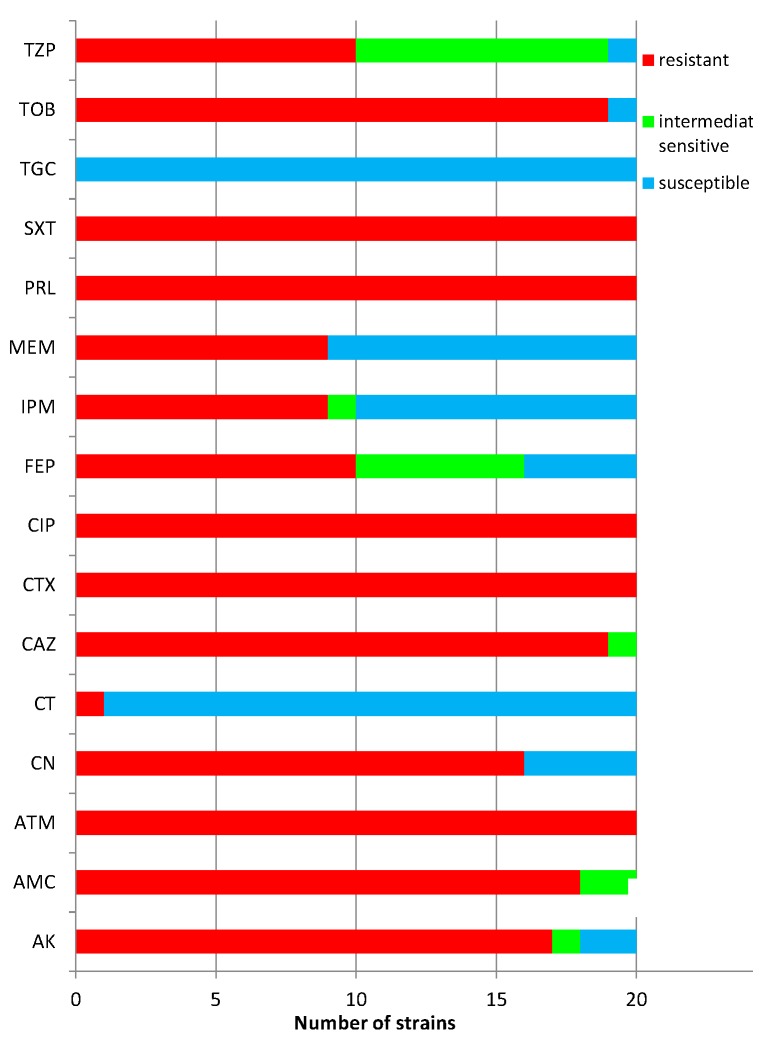
Acinetobacter sp. represent an important cause of nosocomial infections. Their resistance to some antibiotics, their ability to survive on inanimate surfaces in the hospital environment and their ability to produce biofilms contributes to their virulence. The aim of the study was to determine the antibacterial properties of cinnamon, lavender and geranium essential oils against bacteria of the genus Acinetobacter isolated from several clinical materials and from the hospital environment. A comprehensive evaluation of the susceptibility of Acinetobacter sp. clinical strains to recommended antibiotics was performed. The constituents of cinnamon, lavender and geranium essential oils were identified by GC-FID-MS analysis, and their Minimal Inhibitory Concentrations (MICs) against tested clinical strains were determined by the micro-dilution broth method. In addition, the effects of essential oils on the viability of human microvascular endothelial cells (HMEC-1) and glioblastoma cell line (T98G) were evaluated. Cinnamon bark oil was the most active against clinical and environmental strains of Acinetobacter baumannii with MIC values ranging from 0.5 to 2.5 µL/mL. The MIC values for geranium oil were between 7.5 and 9.5 µL/mL, and between 10.5 and 13.0 µL/mL for lavender oil. These essential oils can be best employed in the fight against infections caused by bacteria from Acinetobacter genus as components of formulations for hygiene and disinfection of hospital environment.
不动杆菌属是医院感染的重要病因。它们对某些抗生素的耐药性、在医院环境中无生命表面存活的能力以及形成生物膜的能力都助长了其致病性。本研究的目的是确定肉桂、薰衣草和天竺葵精油对从多种临床材料和医院环境中分离出的不动杆菌属细菌的抗菌特性。对不动杆菌属临床菌株对推荐抗生素的敏感性进行了全面评估。通过气相色谱-火焰离子化检测-质谱联用(GC-FID-MS)分析确定了肉桂、薰衣草和天竺葵精油的成分,并采用微量肉汤稀释法测定了它们对受试临床菌株的最低抑菌浓度(MIC)。此外,还评估了精油对人微血管内皮细胞(HMEC-1)和成胶质细胞瘤细胞系(T98G)活力的影响。桂皮油对鲍曼不动杆菌的临床菌株和环境菌株活性最强,MIC值范围为0.5至2.5微升/毫升。天竺葵油的MIC值在7.5至9.5微升/毫升之间,薰衣草油的MIC值在10.5至13.0微升/毫升之间。作为医院环境卫生和消毒制剂的成分,这些精油可最有效地用于对抗由不动杆菌属细菌引起的感染。