Division of Gastroenterology, Department of Gastroenterology, First Affiliated Hospital, Nanjing Medical University, Nanjing 210029, China.
Division of Gastroenterology and Hepatology, Johns Hopkins Medicine, Baltimore, MD 21224, USA.
Evid Based Complement Alternat Med. 2014;2014:832523. doi: 10.1155/2014/832523. Epub 2014 Oct 30.
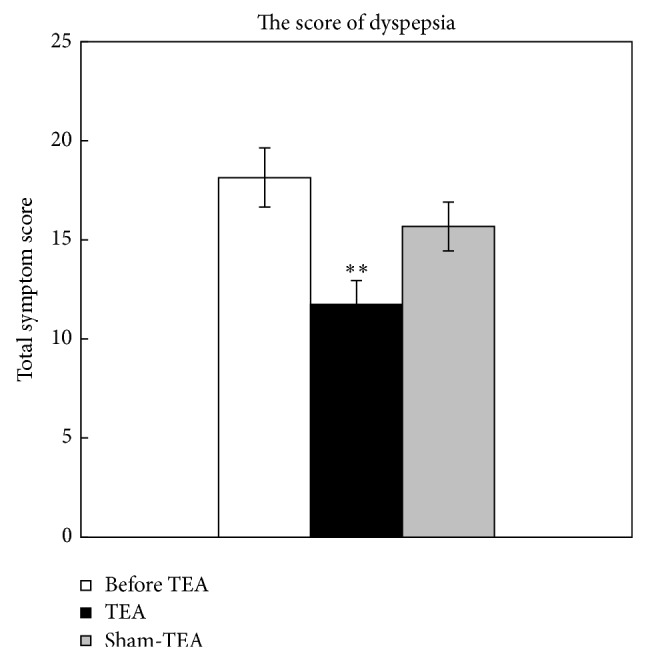
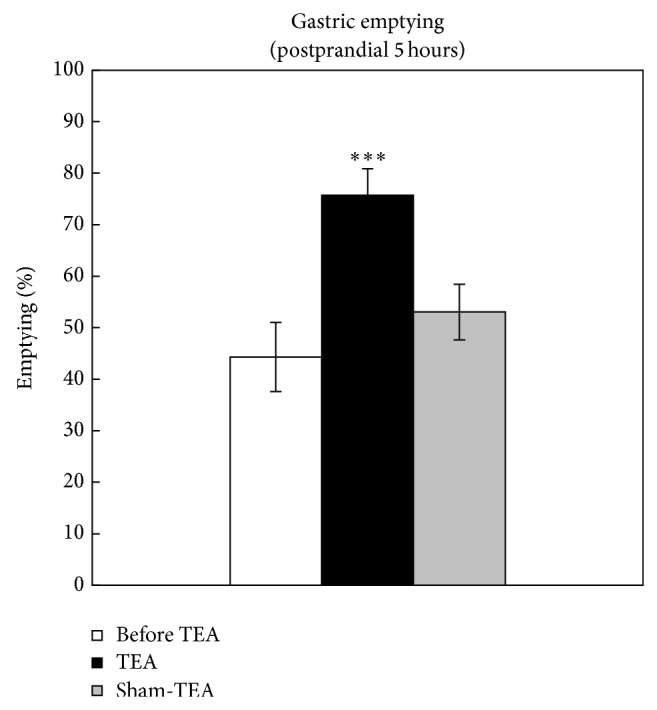
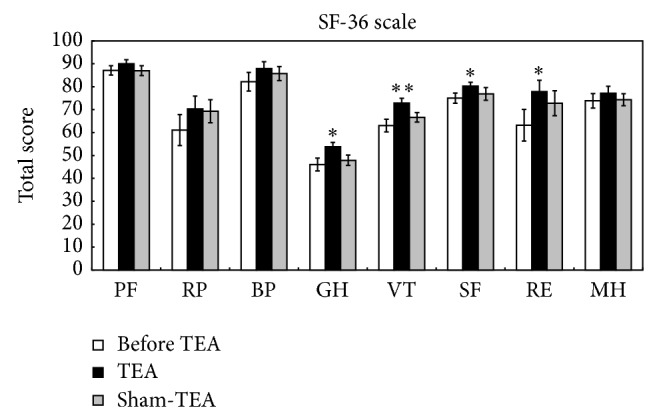
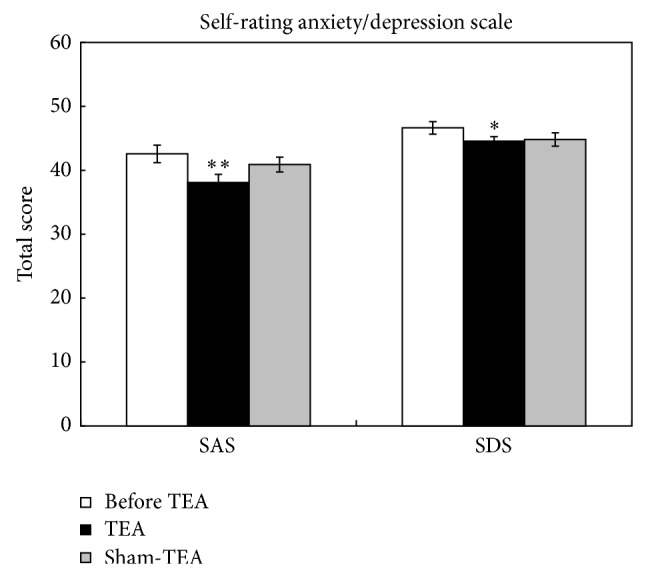
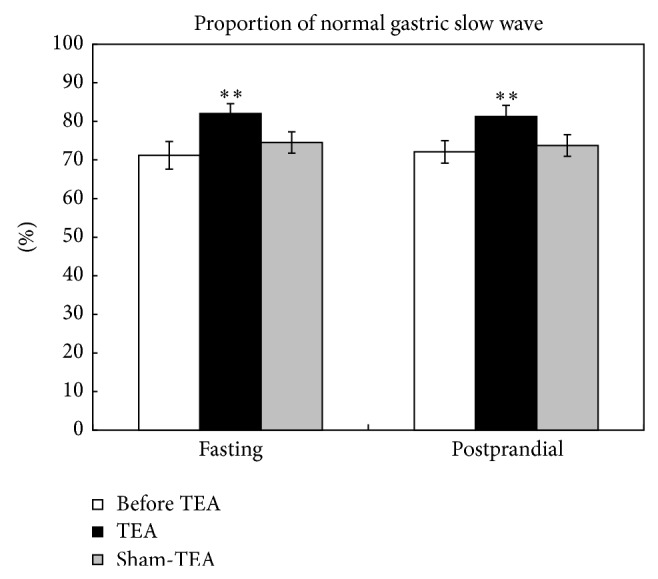
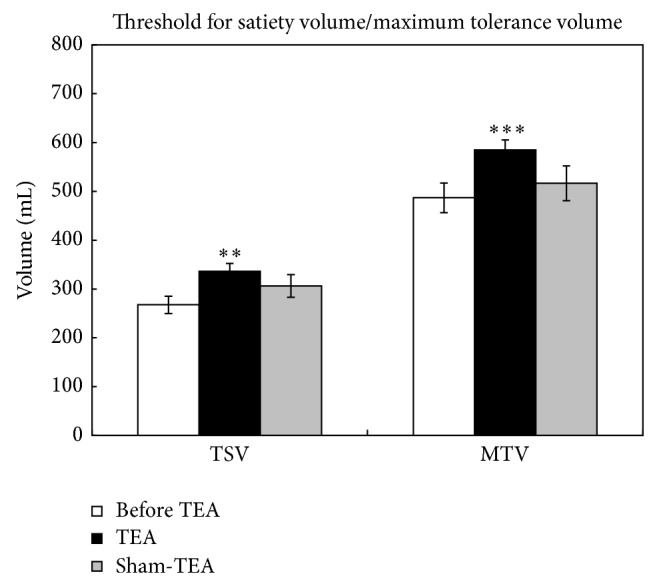
Functional dyspepsia is of high prevalence with little treatment options. The aim of this study was to develop a new treatment method using self-management transcutaneous electroacupuncture (TEA) for functional dyspepsia (FD). Twenty-eight patients with FD were enrolled and underwent a crossover clinical trial with 2-week TEA at ST36 and PC6 and 2-week sham-TEA at nonacupuncture sham-points. Questionnaires were used to assess symptoms of dyspepsia and quality of life. Physiological testing included gastric emptying and electrogastrography. It was found that (1) TEA but not sham-TEA significantly improved dyspeptic symptoms and 4 domains in quality of life; improvement was also noted in self-rated anxiety and depression scores; (2) gastric emptying was significantly and substantially increased with 2-week TEA but not sham-TEA; and (3) gastric accommodation was also improved with TEA but not sham-TEA, reflected as increased ingested nutrient volumes at the levels of satiety and maximum tolerance. These findings suggest a therapeutic potential of self-administrated TEA method for functional dyspepsia, possibly attributed to improvement in gastric motility.
功能性消化不良患病率较高,但治疗选择有限。本研究旨在开发一种新的治疗方法,即使用自我管理经皮电针(TEA)治疗功能性消化不良(FD)。28 名 FD 患者参与了一项交叉临床试验,接受为期 2 周的 ST36 和 PC6 电针和 2 周非针刺假点 sham-TEA 治疗。使用问卷评估消化不良症状和生活质量。生理测试包括胃排空和胃电图。结果发现:(1)TEA 而非 sham-TEA 可显著改善消化不良症状和生活质量的 4 个领域;自我评定的焦虑和抑郁评分也有所改善;(2)2 周 TEA 可显著且明显增加胃排空,但 sham-TEA 则不然;(3)胃容纳也得到改善,TEA 而非 sham-TEA,反映为在饱腹感和最大耐受水平下摄入的营养量增加。这些发现表明,自我管理 TEA 方法治疗功能性消化不良具有潜在的治疗效果,可能归因于胃动力的改善。