Du Jiahui, Förster Britta, Rourke Loraine, Howitt Susan M, Price G Dean
Plant Science Division, Realizing Increased Photosynthetic Efficiency (RIPE) Network, Research School of Biology, Linnaeus Building #134, Australian National University, Canberra, ACT 2601, Australia.
PLoS One. 2014 Dec 23;9(12):e115905. doi: 10.1371/journal.pone.0115905. eCollection 2014.
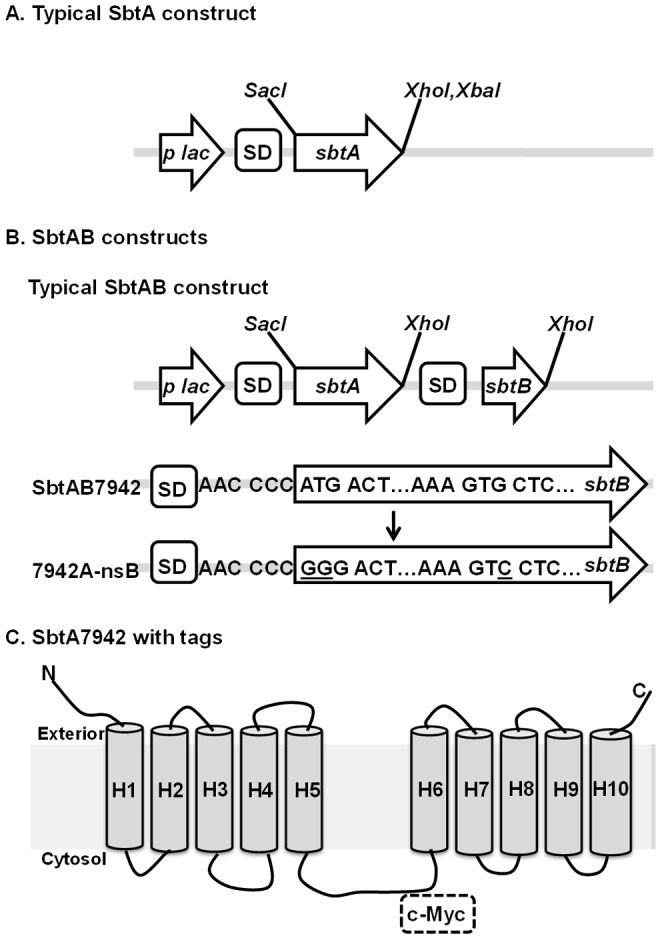
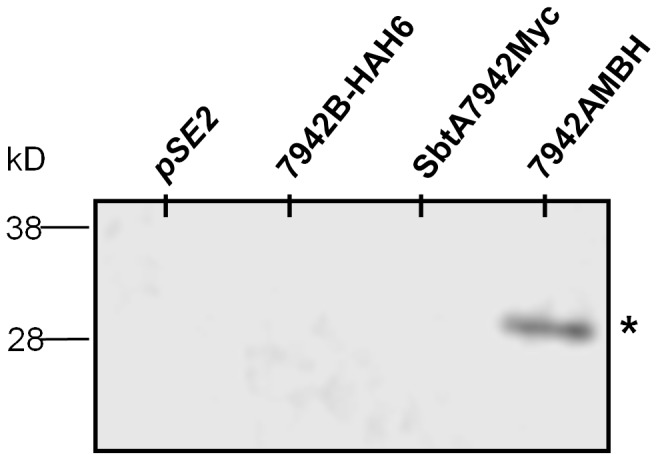
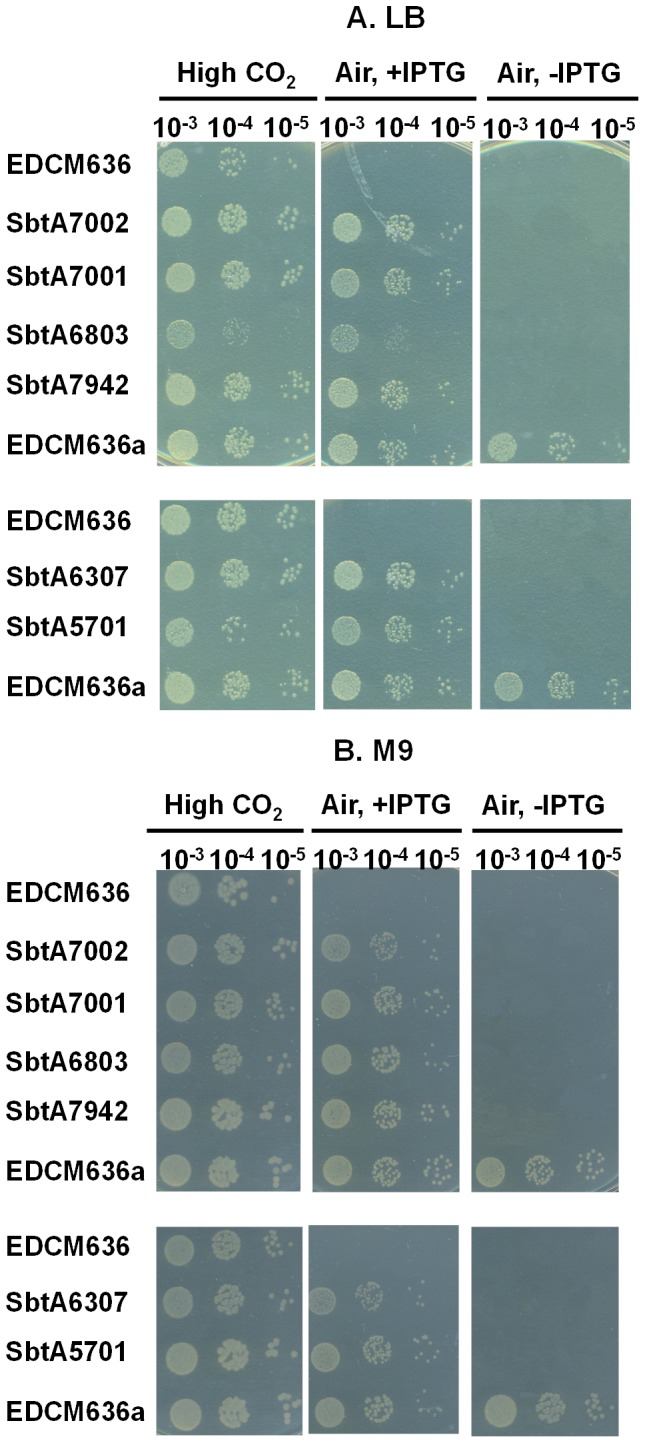
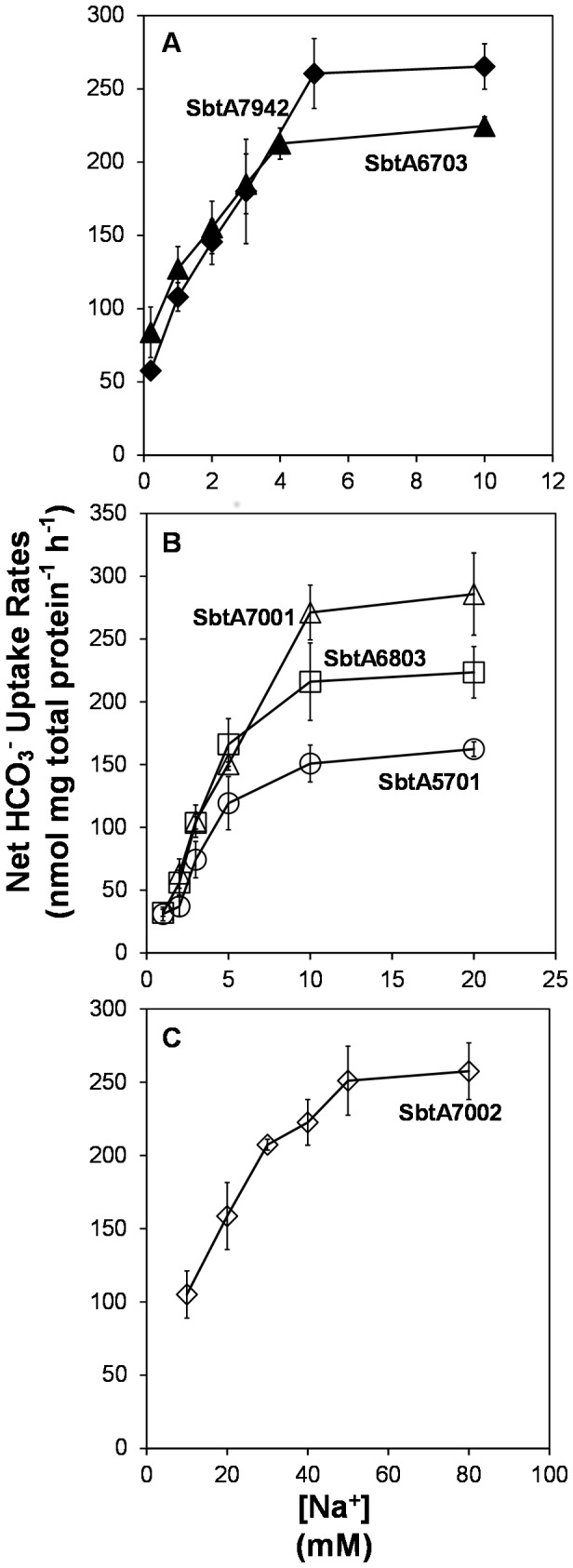
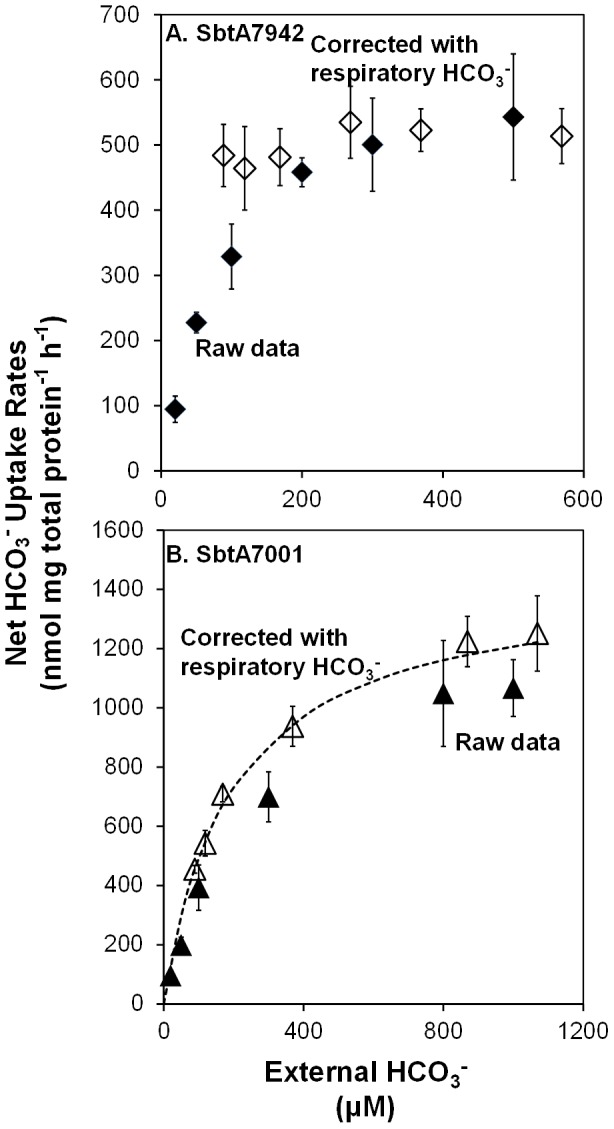
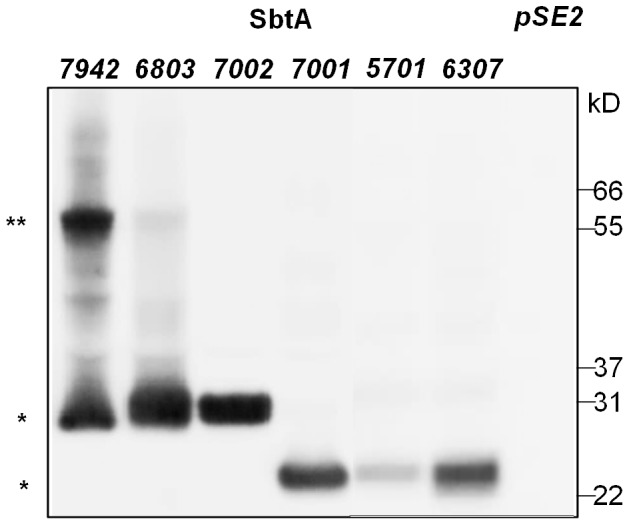
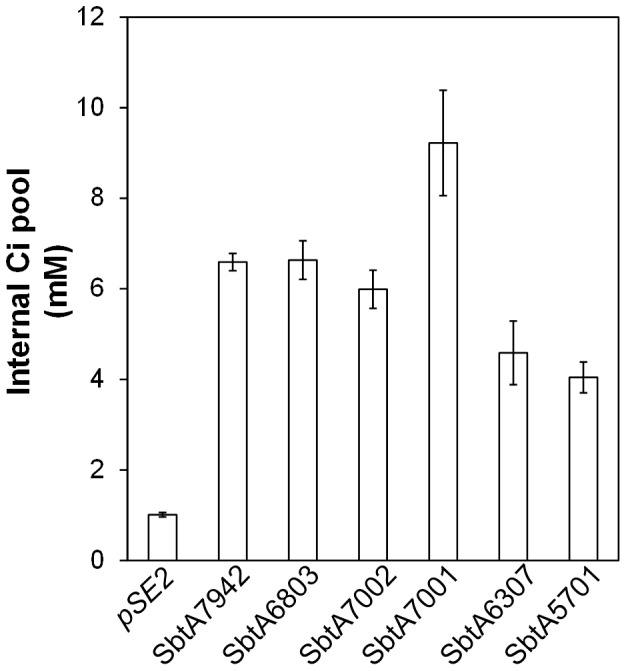
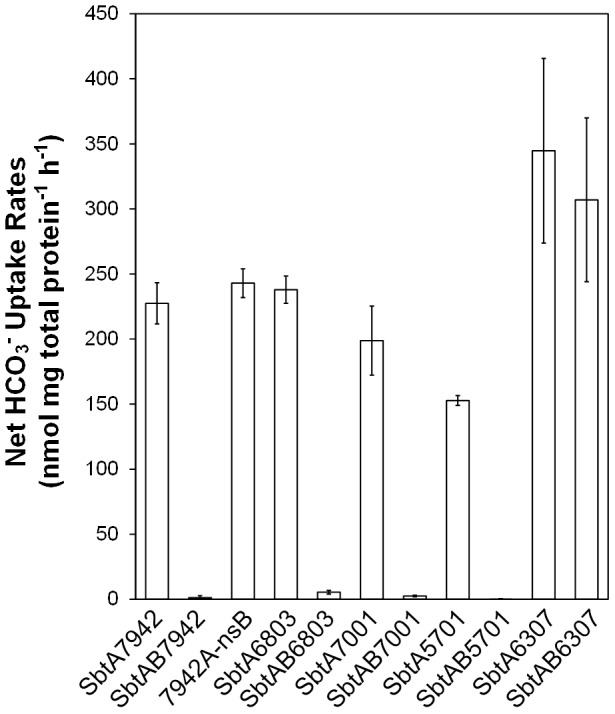
Cyanobacterial HCO3(-) transporters BCT1, SbtA and BicA are important components of cyanobacterial CO2-concentration mechanisms. They also show potential in applications aimed at improving photosynthetic rates and yield when expressed in the chloroplasts of C3 crop species. The present study investigated the feasibility of using Escherichia coli to assess function of a range of SbtA and BicA transporters in a heterologous expression system, ultimately for selection of transporters suitable for chloroplast expression. Here, we demonstrate that six β-forms of SbtA are active in E. coli, although other tested bicarbonate transporters were inactive. The sbtA clones were derived from Synechococcus sp. WH5701, Cyanobium sp. PCC7001, Cyanobium sp. PCC6307, Synechococcus elongatus PCC7942, Synechocystis sp. PCC6803, and Synechococcus sp. PCC7002. The six SbtA homologs varied in bicarbonate uptake kinetics and sodium requirements in E. coli. In particular, SbtA from PCC7001 showed the lowest uptake affinity and highest flux rate and was capable of increasing the internal inorganic carbon pool by more than 8 mM relative to controls lacking transporters. Importantly, we were able to show that the SbtB protein (encoded by a companion gene near sbtA) binds to SbtA and suppresses bicarbonate uptake function of SbtA in E. coli, suggesting a role in post-translational regulation of SbtA, possibly as an inhibitor in the dark. This study established E. coli as a heterologous expression and analysis system for HCO3(-) transporters from cyanobacteria, and identified several SbtA transporters as useful for expression in the chloroplast inner envelope membranes of higher plants.
蓝藻的HCO3(-)转运蛋白BCT1、SbtA和BicA是蓝藻CO2浓缩机制的重要组成部分。当它们在C3作物的叶绿体中表达时,在旨在提高光合速率和产量的应用中也显示出潜力。本研究调查了利用大肠杆菌在异源表达系统中评估一系列SbtA和BicA转运蛋白功能的可行性,最终用于选择适合叶绿体表达的转运蛋白。在此,我们证明六种β形式的SbtA在大肠杆菌中具有活性,尽管其他测试的碳酸氢盐转运蛋白无活性。sbtA克隆来自聚球藻属WH5701、蓝细菌属PCC7001、蓝细菌属PCC6307、聚球藻伸长株PCC7942、集胞藻属PCC6803和聚球藻属PCC7002。这六种SbtA同源物在大肠杆菌中的碳酸氢盐摄取动力学和对钠的需求方面存在差异。特别是,来自PCC7001的SbtA显示出最低的摄取亲和力和最高的通量率,并且相对于缺乏转运蛋白的对照,能够使内部无机碳库增加超过8 mM。重要的是,我们能够证明SbtB蛋白(由sbtA附近的一个伴随基因编码)与SbtA结合并抑制SbtA在大肠杆菌中的碳酸氢盐摄取功能,这表明其在SbtA的翻译后调控中发挥作用,可能在黑暗中作为抑制剂。本研究确立了大肠杆菌作为蓝藻HCO3(-)转运蛋白的异源表达和分析系统,并鉴定了几种SbtA转运蛋白可用于在高等植物的叶绿体内膜中表达。