School of Dentistry, Chonnam National University, Gwangju, Republic of Korea.
Department of Stomatology, Affiliated Hospital of Yanbian University, Yanji, Jilin, China.
J Adv Prosthodont. 2014 Dec;6(6):512-20. doi: 10.4047/jap.2014.6.6.512. Epub 2014 Dec 17.
The purpose of this study was to assess the surface characteristics and the biocompatibility of zirconium (Zr) coating on Ti-6Al-4V alloy surface by radio frequency (RF) magnetron sputtering method.
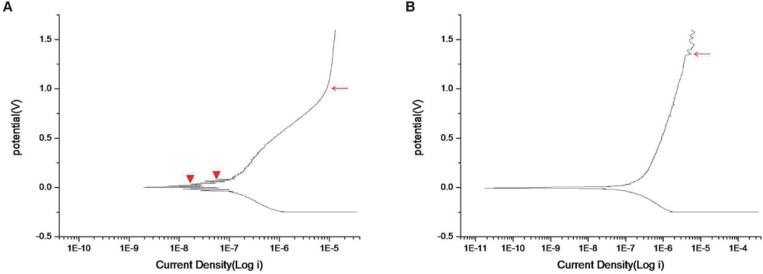
The zirconium films were developed on Ti-6Al-4V discs using RF magnetron sputtering method. Surface profile, surface composition, surface roughness and surface energy were evaluated. Electrochemical test was performed to evaluate the corrosion behavior. Cell proliferation, alkaline phosphatase (ALP) activity and gene expression of mineralized matrix markers were measured.
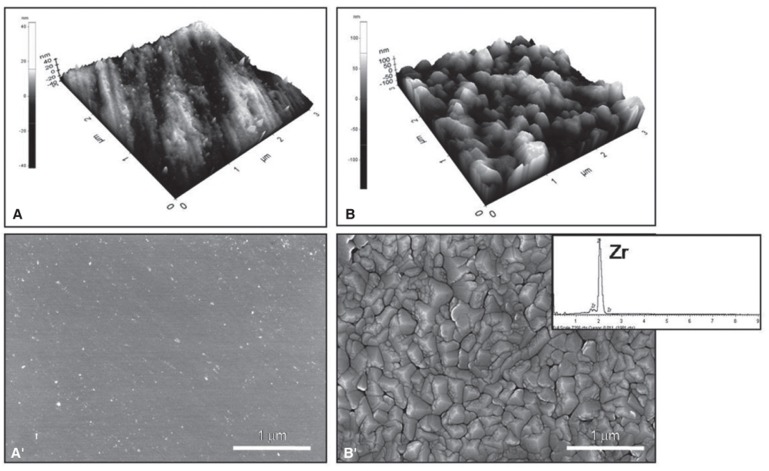
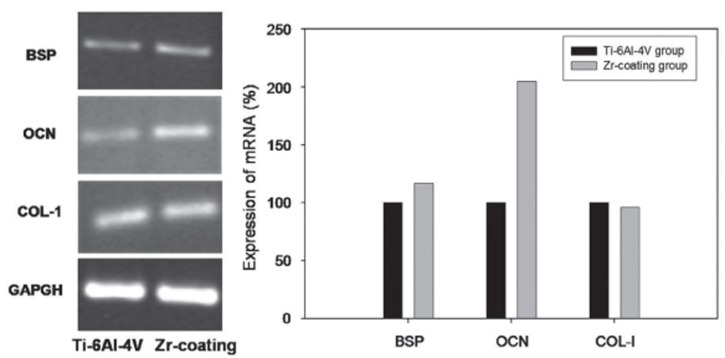
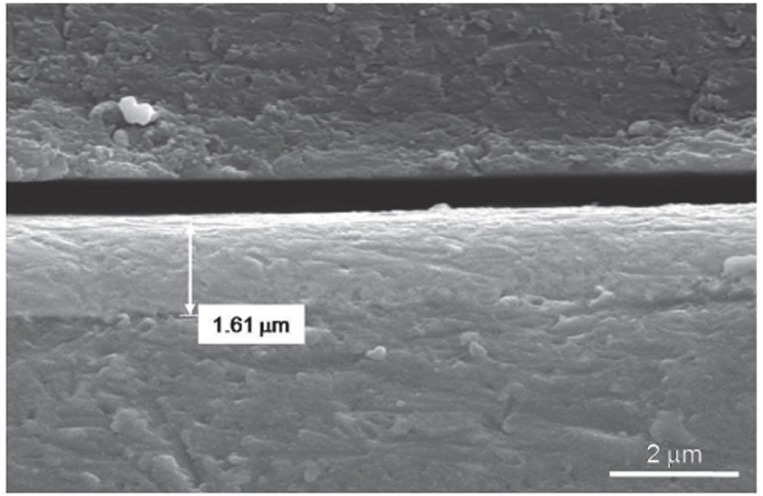
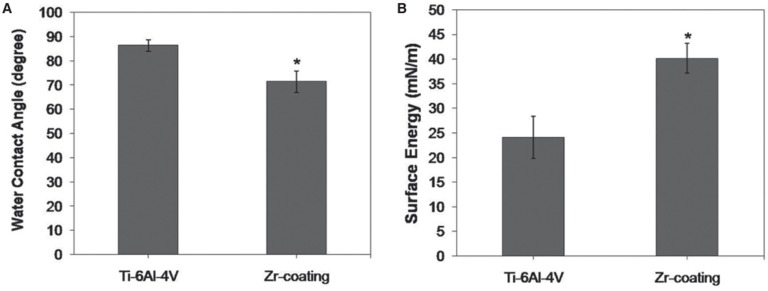
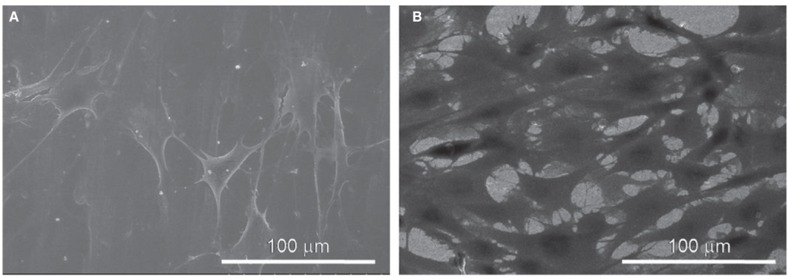
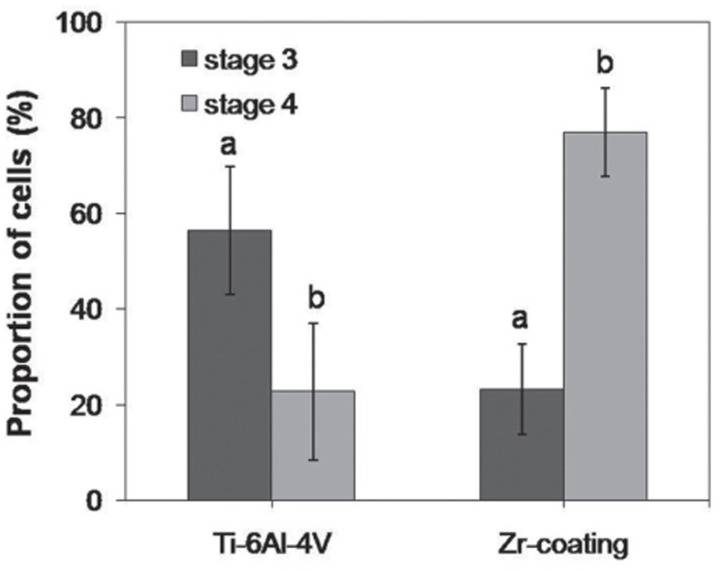
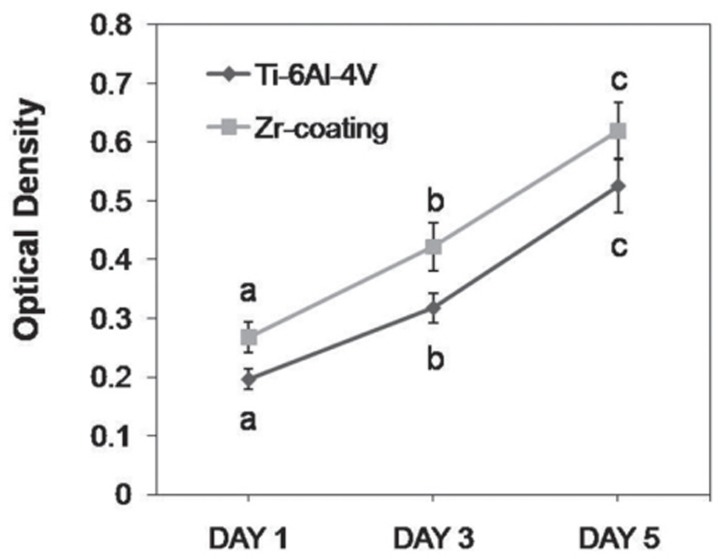
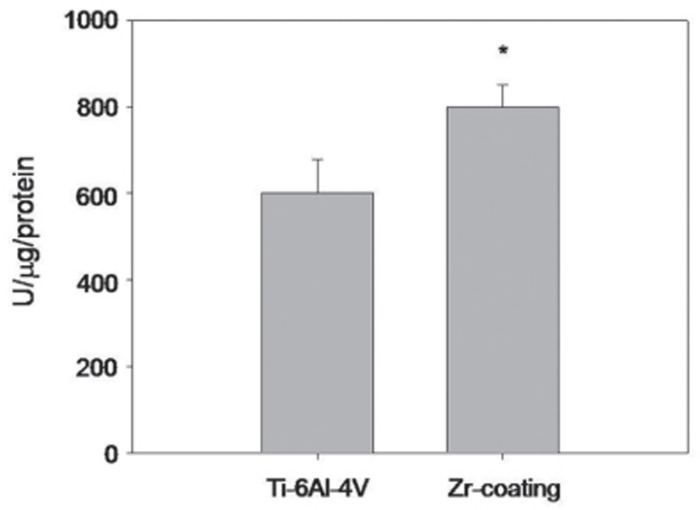
SEM and EDS analysis showed that zirconium deposition was performed successfully on Ti-6Al-4V alloy substrate. Ti-6Al-4V group and Zr-coating group showed no significant difference in surface roughness (P>.05). Surface energy was significantly higher in Zr-coating group than in Ti-6Al-4V group (P<.05). No difference in cell morphology was observed between Ti-6Al-4V group and Zr-coating group. Cell proliferation was higher in Zr-coating group than Ti-6Al-4V group at 1, 3 and 5 days (P<.05). Zr-coating group showed higher ALP activity level than Ti-6Al-4V group (P<.05). The mRNA expressions of bone sialoprotein (BSP) and osteocalcin (OCN) on Zr-coating group increased approximately 1.2-fold and 2.1-fold respectively, compared to that of Ti-6Al-4V group.
These results suggest that zirconium coating on Ti-6Al-4V alloy could enhance the early osteoblast responses. This property could make non-toxic metal coatings on Ti-6Al-4V alloy suitable for orthopedic and dental implants.
本研究旨在通过射频(RF)磁控溅射法评估钛-6 铝-4 钒(Ti-6Al-4V)合金表面锆(Zr)涂层的表面特性和生物相容性。
采用射频磁控溅射法在 Ti-6Al-4V 圆盘上制备锆膜。评估表面轮廓、表面成分、表面粗糙度和表面能。进行电化学测试以评估腐蚀行为。测量细胞增殖、碱性磷酸酶(ALP)活性和矿化基质标志物的基因表达。
SEM 和 EDS 分析表明,Zr 沉积在 Ti-6Al-4V 合金基底上成功进行。Ti-6Al-4V 组和 Zr 涂层组的表面粗糙度无显著差异(P>.05)。Zr 涂层组的表面能明显高于 Ti-6Al-4V 组(P<.05)。Ti-6Al-4V 组和 Zr 涂层组的细胞形态无差异。Zr 涂层组在第 1、3 和 5 天的细胞增殖高于 Ti-6Al-4V 组(P<.05)。Zr 涂层组的 ALP 活性水平高于 Ti-6Al-4V 组(P<.05)。Zr 涂层组的骨涎蛋白(BSP)和骨钙素(OCN)mRNA 表达分别比 Ti-6Al-4V 组增加约 1.2 倍和 2.1 倍。
这些结果表明,Zr 涂层可增强 Ti-6Al-4V 合金的早期成骨细胞反应。这种特性可使无毒金属涂层适用于 Ti-6Al-4V 合金的骨科和牙科植入物。