Research Data and Analysis Center, Center for Health Research, Portland, Oregon, USA.
Labor Education and Research Center, University of Oregon, Portland, Oregon, USA.
BMC Public Health. 2015 Jan 17;15:11. doi: 10.1186/s12889-014-1340-7.
Consumer-driven homecare models support aging and disabled individuals to live independently through the services of homecare workers. Although these models have benefits, including autonomy and control over services, little evidence exists about challenges homecare workers may face when providing services, including workplace violence and the negative outcomes associated with workplace violence. This study investigates the prevalence of workplace violence among homecare workers and examines the relationship between these experiences and homecare worker stress, burnout, depression, and sleep.
We recruited female homecare workers in Oregon, the first US state to implement a consumer driven homecare model, to complete an on-line or telephone survey with peer interviewers. The survey asked about demographics and included measures to assess workplace violence, fear, stress, burnout, depression and sleep problems.
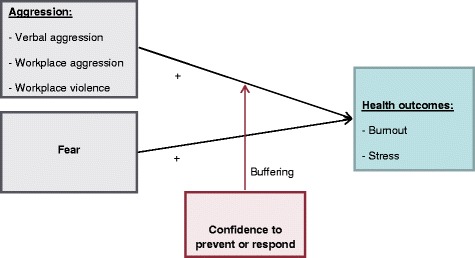
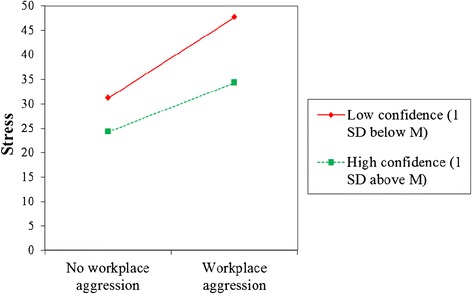
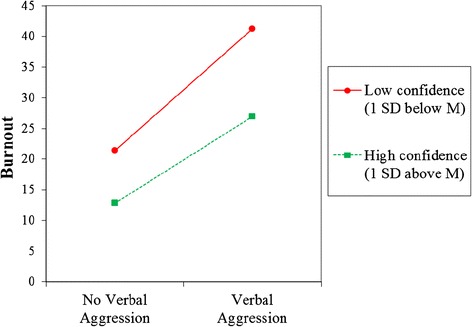
Homecare workers (n = 1,214) reported past-year incidents of verbal aggression (50.3% of respondents), workplace aggression (26.9%), workplace violence (23.6%), sexual harassment (25.7%), and sexual aggression (12.8%). Exposure was associated with greater stress (p < .001), depression (p < .001), sleep problems (p < .001), and burnout (p < .001). Confidence in addressing workplace aggression buffered homecare workers against negative work and health outcomes.
To ensure homecare worker safety and positive health outcomes in the provision of services, it is critical to develop and implement preventive safety training programs with policies and procedures that support homecare workers who experience harassment and violence.
消费者驱动的家庭护理模式通过家庭护理人员的服务支持老年人和残疾人独立生活。尽管这些模式有好处,包括对服务的自主权和控制,但几乎没有证据表明家庭护理人员在提供服务时可能面临的挑战,包括工作场所暴力和与工作场所暴力相关的负面后果。本研究调查了家庭护理人员中工作场所暴力的发生率,并研究了这些经历与家庭护理人员压力、倦怠、抑郁和睡眠之间的关系。
我们招募了俄勒冈州的女性家庭护理人员,该州是美国第一个实施消费者驱动的家庭护理模式的州,让他们在网上或电话中与同行采访者一起完成一项调查。该调查询问了人口统计学信息,并包括评估工作场所暴力、恐惧、压力、倦怠、抑郁和睡眠问题的措施。
家庭护理人员(n=1214)报告了过去一年中遭受言语攻击(50.3%的受访者)、工作场所攻击(26.9%)、工作场所暴力(23.6%)、性骚扰(25.7%)和性侵犯(12.8%)的事件。暴露于这些情况与更大的压力(p<0.001)、抑郁(p<0.001)、睡眠问题(p<0.001)和倦怠(p<0.001)有关。对处理工作场所攻击的信心缓冲了家庭护理人员对工作和健康的负面影响。
为了确保家庭护理人员在提供服务时的安全和健康结果,必须制定和实施预防安全培训计划,制定和实施支持遭受骚扰和暴力的家庭护理人员的政策和程序。