Goldschneider Kenneth R, Good Julie, Harrop Emily, Liossi Christina, Lynch-Jordan Anne, Martinez Anna E, Maxwell Lynne G, Stanko-Lopp Danette
Pain Management Center, Department of Anesthesiology, Cincinnati Children's Hospital Medical Center, Cincinnati, Ohio, USA.
Lucille Packard Children's Hospital, Department of Anesthesia (by courtesy, Pediatrics), Stanford University, Stanford, California, USA.
BMC Med. 2014 Oct 9;12:178. doi: 10.1186/s12916-014-0178-2.
Inherited epidermolysis bullosa (EB) comprises a group of rare disorders that have multi-system effects and patients present with a number of both acute and chronic pain care needs. Effects on quality of life are substantial. Pain and itching are burdensome daily problems. Experience with, and knowledge of, the best pain and itch care for these patients is minimal. Evidence-based best care practice guidelines are needed to establish a base of knowledge and practice for practitioners of many disciplines to improve the quality of life for both adult and pediatric patients with EB.
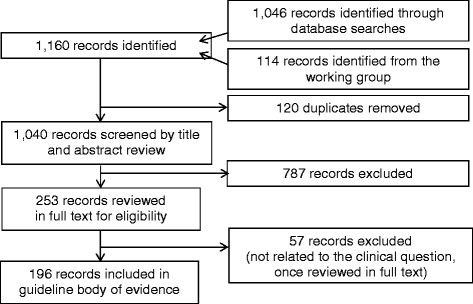
The process was begun at the request of Dystrophic Epidermolysis Bullosa Research Association International (DEBRA International), an organization dedicated to improvement of care, research and dissemination of knowledge for EB patients worldwide. An international panel of experts in pain and palliative care who have extensive experience caring for patients with EB was assembled. Literature was reviewed and systematically evaluated. For areas of care without direct evidence, clinically relevant literature was assessed, and rounds of consensus building were conducted. The process involved a face-to-face consensus meeting that involved a family representative and methodologist, as well as the panel of clinical experts. During development, EB family input was obtained and the document was reviewed by a wide variety of experts representing several disciplines related to the care of patients with EB.
The first evidence-based care guidelines for the care of pain in EB were produced. The guidelines are clinically relevant for care of patients of all subtypes and ages, and apply to practitioners of all disciplines involved in the care of patients with EB. When the evidence suggests that the diagnosis or treatment of painful conditions differs between adults and children, it will be so noted.
Evidence-based care guidelines are a means of standardizing optimal care for EB patients, whose disease is often times horrific in its effects on quality of life, and whose care is resource-intensive and difficult. The guideline development process also highlighted areas for research in order to improve further the evidence base for future care.
遗传性大疱性表皮松解症(EB)是一组罕见疾病,具有多系统影响,患者存在多种急性和慢性疼痛护理需求。对生活质量的影响很大。疼痛和瘙痒是日常的沉重负担。针对这些患者的最佳疼痛和瘙痒护理的经验和知识非常有限。需要基于证据的最佳护理实践指南,为多学科从业者建立知识和实践基础,以提高成年和儿童EB患者的生活质量。
应国际营养不良性大疱性表皮松解症研究协会(DEBRA International)的要求启动了该过程,该组织致力于改善全球EB患者的护理、研究和知识传播。组建了一个由在疼痛和姑息治疗方面具有丰富经验的国际专家小组,他们在照顾EB患者方面经验丰富。对文献进行了综述和系统评估。对于没有直接证据的护理领域,评估了临床相关文献,并进行了多轮共识达成。该过程包括一次面对面的共识会议,会议邀请了一名家庭代表和方法学家,以及临床专家小组。在制定过程中,征求了EB患者家庭的意见,该文件由代表与EB患者护理相关的多个学科的众多专家进行了审查。
制定了首个基于证据的EB疼痛护理指南。这些指南在临床上与所有亚型和年龄段患者的护理相关,适用于参与EB患者护理的所有学科的从业者。当证据表明成人和儿童在疼痛性疾病的诊断或治疗上存在差异时,将予以注明。
基于证据的护理指南是为EB患者规范最佳护理的一种手段,EB患者的疾病对生活质量的影响往往非常可怕,其护理资源密集且困难。指南制定过程还突出了研究领域,以便进一步改善未来护理的证据基础。