Backer van Ommeren Tineke, Koot Hans M, Scheeren Anke M, Begeer Sander
Department of Developmental Psychology, VU University Amsterdam, Van der Boechorststraat 1, 1081 BT, Amsterdam, The Netherlands.
J Autism Dev Disord. 2015 Jul;45(7):1967-77. doi: 10.1007/s10803-014-2353-x.
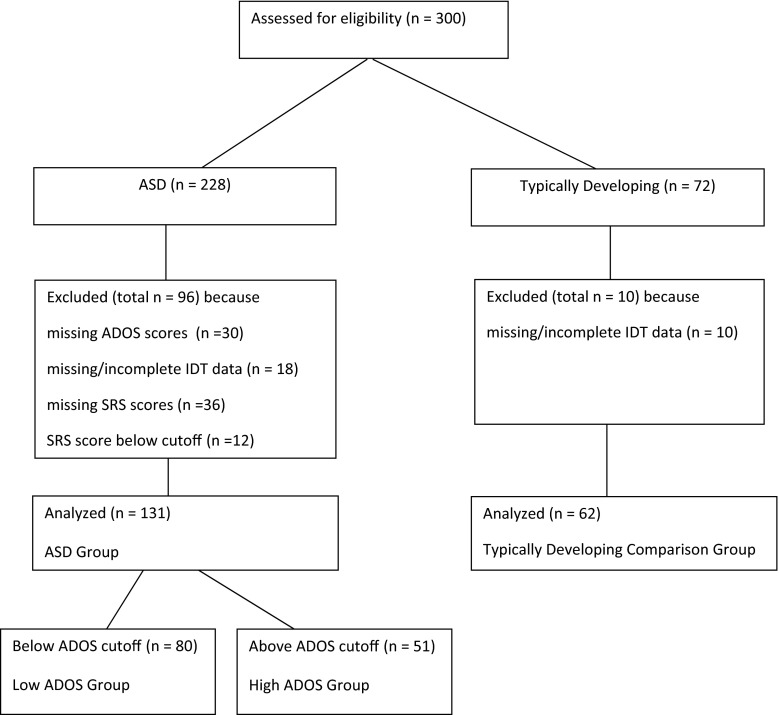
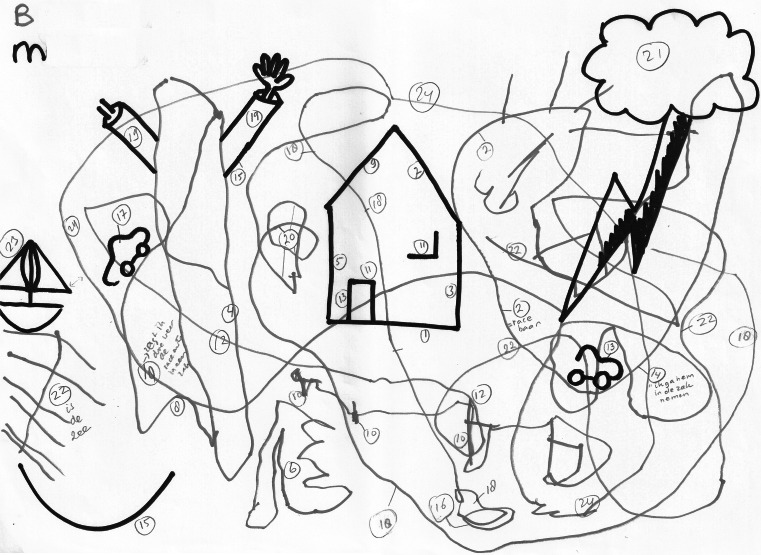
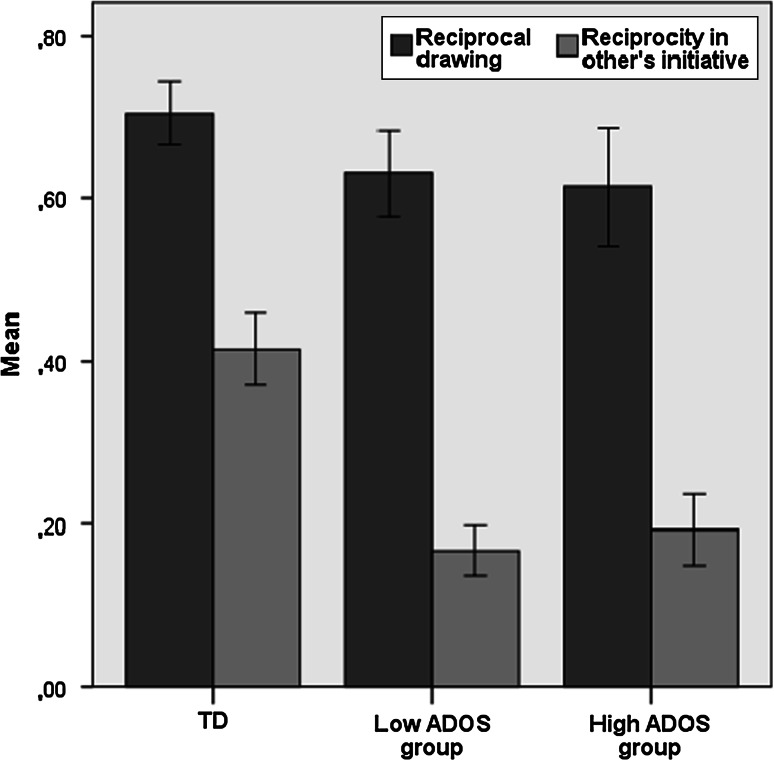
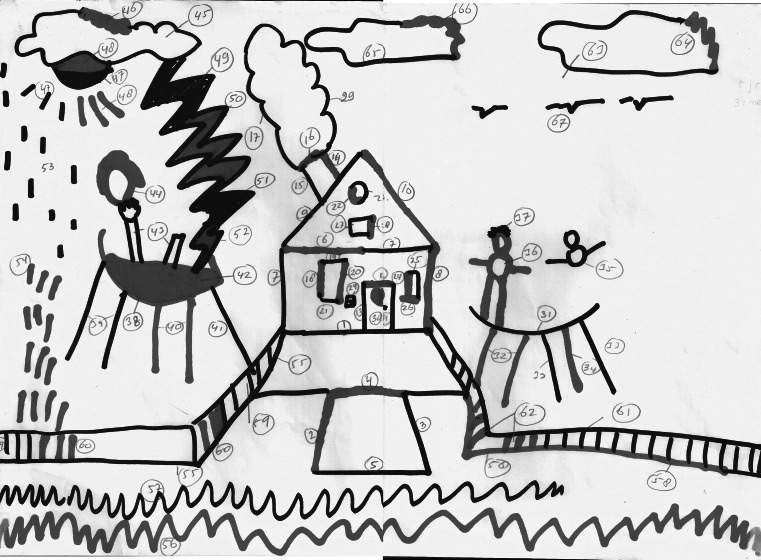
Poor reciprocity is a defining feature of an autism spectrum disorder (ASD). In the current study, we examined the reliability and validity of the Interactive Drawing Test (IDT), a new instrument to assess reciprocal behavior. The IDT was administered to children and adolescents with ASD (n = 131) and to a typically developing group (n = 62). The IDT had excellent inter-rater reliability and moderate to good test-retest reliability. The results showed clearly distinctive response patterns in the ASD group compared to the typically developing group, independent of verbal IQ and age. Convergent validity of the IDT was low. Sensitivity and the predictive accuracy of the IDT for detailed levels of reciprocal behavior in autism are discussed.
互惠性差是自闭症谱系障碍(ASD)的一个决定性特征。在本研究中,我们检验了交互式绘画测试(IDT)的信度和效度,这是一种评估互惠行为的新工具。对患有ASD的儿童和青少年(n = 131)以及发育正常的对照组(n = 62)进行了IDT测试。IDT具有出色的评分者间信度和中等到良好的重测信度。结果显示,与发育正常的对照组相比,ASD组呈现出明显不同的反应模式,且不受言语智商和年龄的影响。IDT的收敛效度较低。本文还讨论了IDT对自闭症中互惠行为详细水平的敏感性和预测准确性。