Institut National de la Santé et de la Recherche Médicale, U855, Lyon, F-69008, France ; Université de Lyon, Lyon, F-69008, France ; Université Lyon1, Villeurbanne, F-69622, France.
Mol Metab. 2014 Dec 26;4(2):106-17. doi: 10.1016/j.molmet.2014.12.009. eCollection 2015 Feb.
Certain nutrients positively regulate energy homeostasis via intestinal gluconeogenesis (IGN). The objective of this study was to evaluate the impact of a deficient IGN in glucose control independently of nutritional environment.
We used mice deficient in the intestine glucose-6 phosphatase catalytic unit, the key enzyme of IGN (I-G6pc (-/-) mice). We evaluated a number of parameters involved in energy homeostasis, including insulin sensitivity (hyperinsulinemic euglycaemic clamp), the pancreatic function (insulin secretion in vivo and in isolated islets) and the hypothalamic homeostatic function (leptin sensitivity).
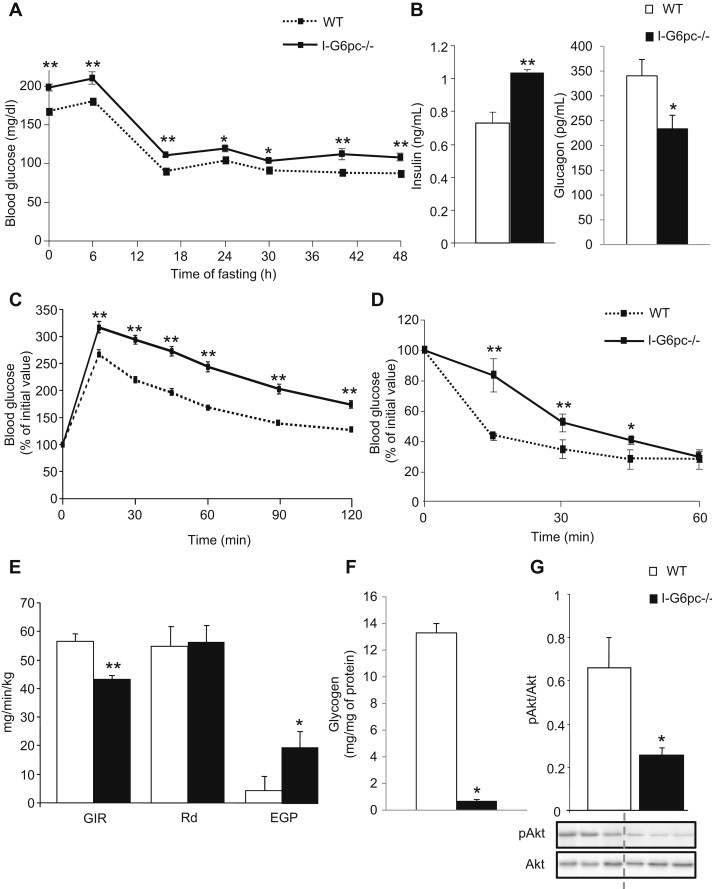
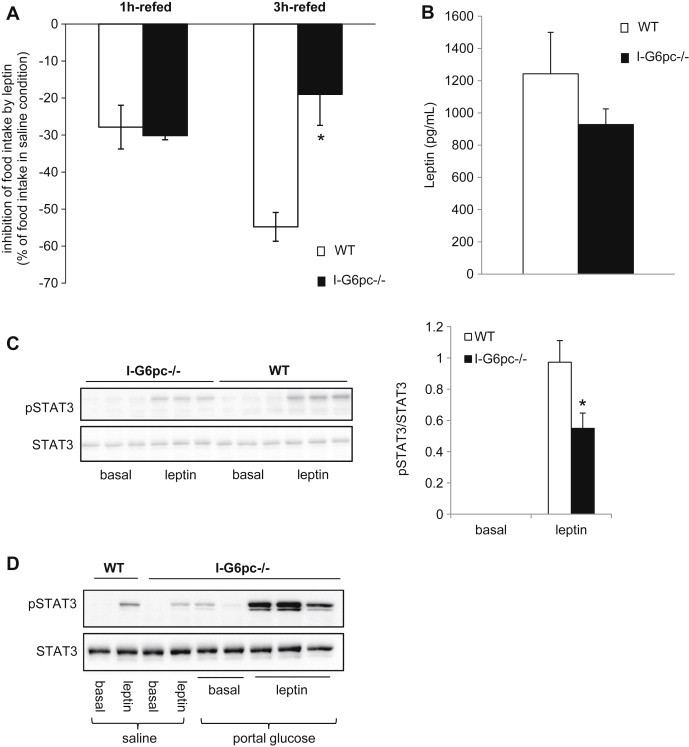
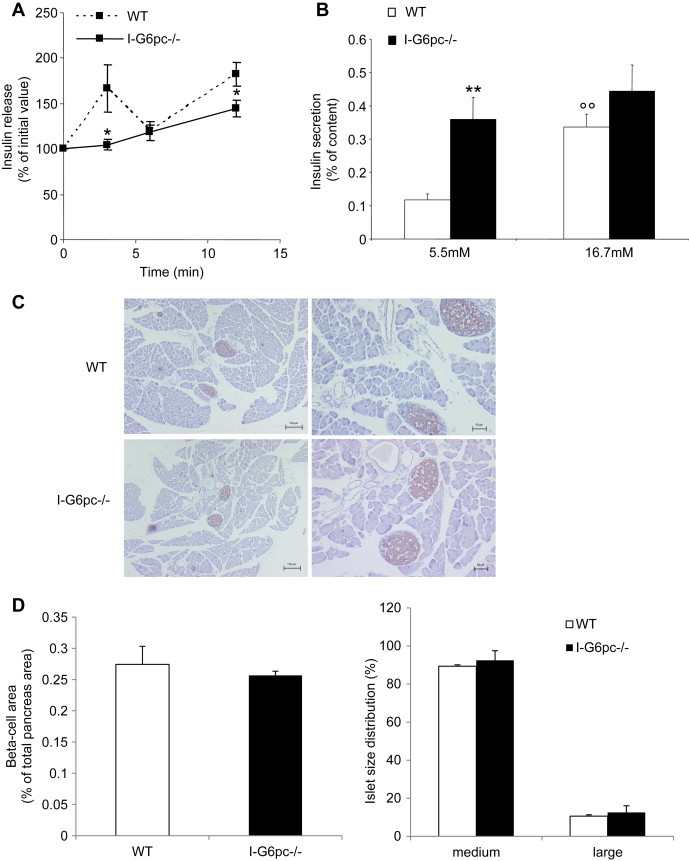
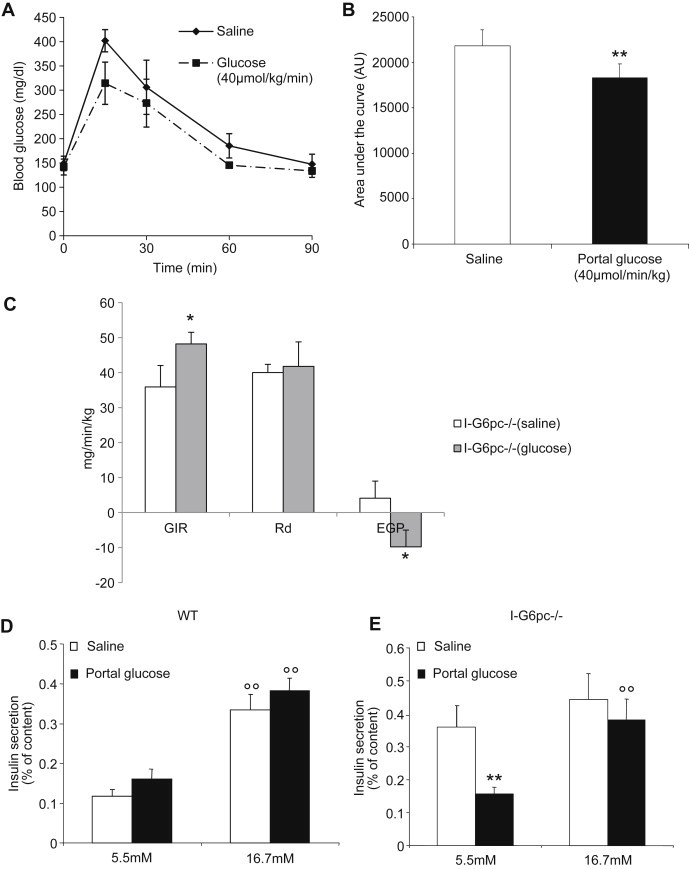
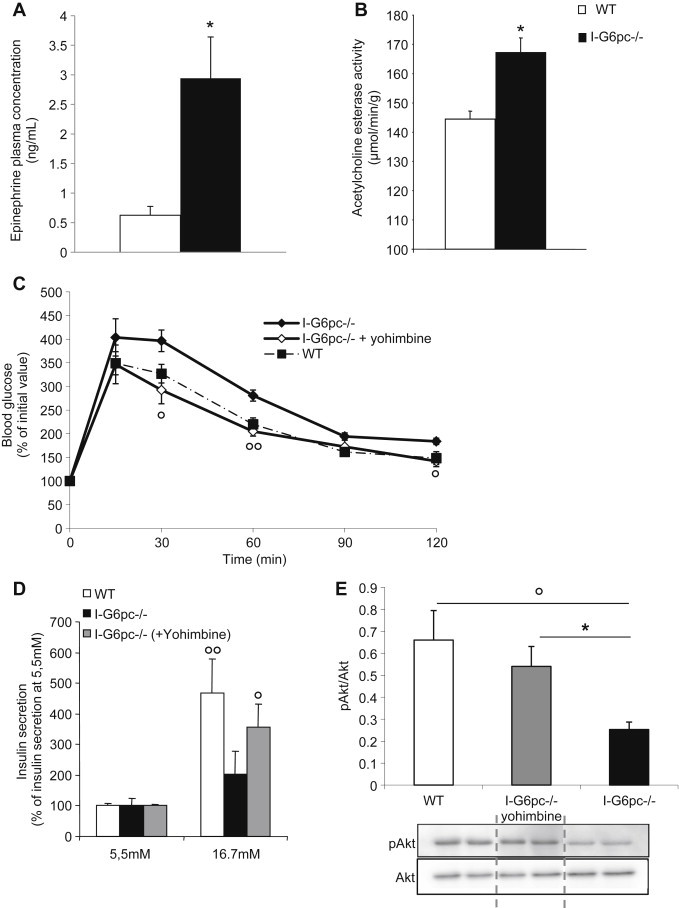
Intestinal-G6pc (-/-) mice exhibit slight fasting hyperglycaemia and hyperinsulinemia, glucose intolerance, insulin resistance and a deteriorated pancreatic function, despite normal diet with no change in body weight. These defects evoking type 2 diabetes (T2D) derive from the basal activation of the sympathetic nervous system (SNS). They are corrected by treatment with an inhibitor of α-2 adrenergic receptors. Deregulation in a key target of IGN, the homeostatic hypothalamic function (highlighted here through leptin resistance) is a mechanistic link. Hence the leptin resistance and metabolic disorders in I-G6pc (-/-) mice are corrected by rescuing IGN by portal glucose infusion. Finally, I-G6pc (-/-) mice develop the hyperglycaemia characteristic of T2D more rapidly under high fat/high sucrose diet.
Intestinal gluconeogenesis is a mandatory function for the healthy neural control of glucose homeostasis.
某些营养素通过肠道糖异生(IGN)积极调节能量稳态。本研究的目的是评估葡萄糖控制中 IGN 不足对营养环境的独立影响。
我们使用缺乏肠道葡萄糖-6 磷酸酶催化单位(IGN 的关键酶)的小鼠(I-G6pc(-/-)小鼠)。我们评估了许多与能量稳态相关的参数,包括胰岛素敏感性(高胰岛素正葡萄糖钳夹)、胰腺功能(体内和分离胰岛中的胰岛素分泌)和下丘脑稳态功能(瘦素敏感性)。
尽管肠道-G6pc(-/-)小鼠的饮食正常且体重无变化,但它们仍表现出轻微的空腹高血糖和高胰岛素血症、葡萄糖耐量受损、胰岛素抵抗和胰腺功能恶化,这些缺陷引发 2 型糖尿病(T2D)源于交感神经系统(SNS)的基础激活。它们可以通过抑制α-2 肾上腺素能受体来纠正。IGN 的关键靶点,即稳态下丘脑功能(此处通过瘦素抵抗突出显示)的失调是一种机制联系。因此,通过门静脉葡萄糖输注恢复 IGN,可纠正 I-G6pc(-/-)小鼠的瘦素抵抗和代谢紊乱。最后,I-G6pc(-/-)小鼠在高脂肪/高蔗糖饮食下更快地发展出 T2D 的高血糖特征。
肠道糖异生是健康神经控制葡萄糖稳态的必要功能。