Mahmoud Abeer, Attia Rasha, Said Safaa, Ibraheim Zedan
Dept. of Parasitology, Faculty of Medicine, Assiut University, Assiut, Egypt.
Dept. of Histology, Faculty of Medicine, Assiut University, Assiut, Egypt.
Iran J Parasitol. 2014 Oct-Dec;9(4):530-40.
Giardia lamblia is one of the most common protozoal infections in human especially children. Metronidazol (MTZ) is the drug of choice for treatment of giardiasis; its chemical composition possesses major threats and is becoming less sensitive. This study aimed to search for natural extracts alternative to MTZ.
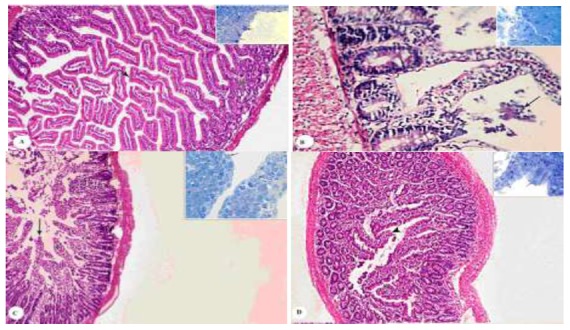
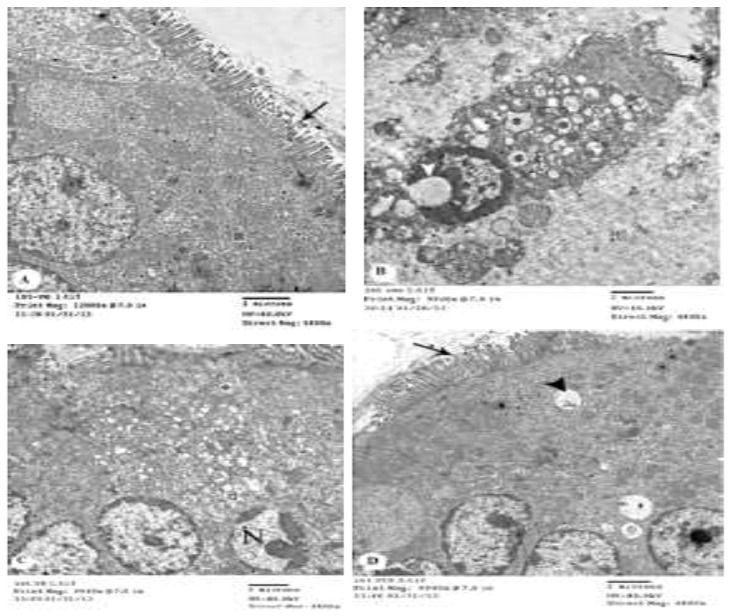
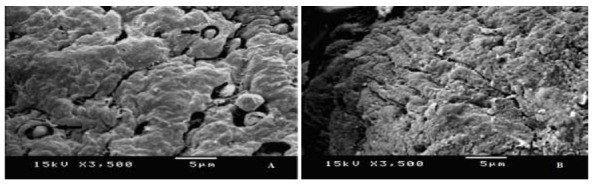
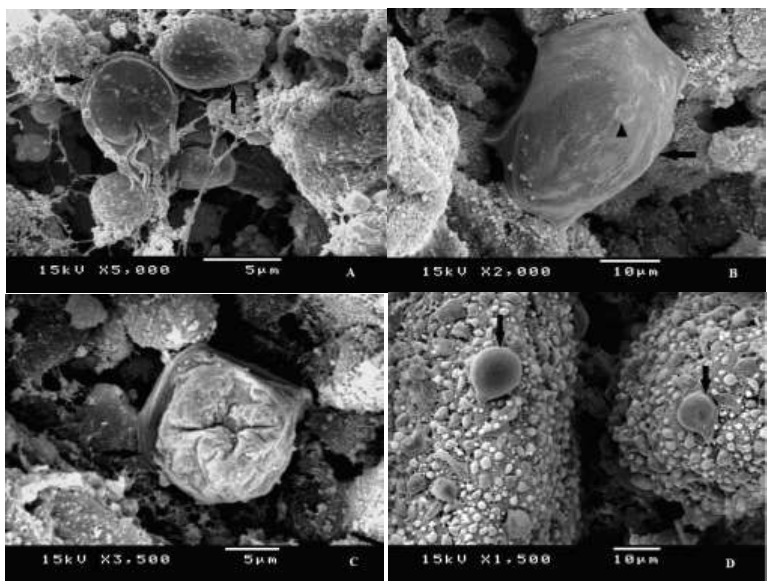
In-vivo effects of dichloromethane extracts of ginger and cinnamon in doses of 10 and 20 mg/kg/day separately were studied on 30 experimentally infected albino rats divided into 6 groups (5 rats each). Plant extracts were started on the 6th day post infection for 7 successive days. The study was evaluated by fecal cyst and intestinal trophozoite counts, histopathology, scanning and transmission electron microscopic examinations of the small intestinal mucosa.
Ginger and cinnamon caused reduction of fecal cyst and trophozoites counts. Histopathology, scanning electron microscopy (SEM) and transmission electron microscopy (TEM) after exposure to each extract revealed evident improvement of intestinal mucosal damage produced by G. lamblia infection and direct structural injury to the trophozoites. However, these results were more obvious after exposure to cinnamon extracts.
We confirmed the potential therapeutic effects of ginger and cinnamon extracts on G. lamblia infection in albino rats as a promising alternative therapy to the commonly used antigiardial drugs.
蓝氏贾第鞭毛虫是人类尤其是儿童中最常见的原生动物感染之一。甲硝唑(MTZ)是治疗贾第虫病的首选药物;其化学成分存在重大威胁且正变得不那么敏感。本研究旨在寻找替代MTZ的天然提取物。
分别以10和20毫克/千克/天的剂量研究生姜和肉桂的二氯甲烷提取物对30只实验感染的白化大鼠的体内作用,将其分为6组(每组5只大鼠)。在感染后第6天开始给予植物提取物,连续7天。通过粪便包囊和肠道滋养体计数、组织病理学、小肠黏膜的扫描和透射电子显微镜检查对该研究进行评估。
生姜和肉桂使粪便包囊和滋养体数量减少。暴露于每种提取物后的组织病理学、扫描电子显微镜(SEM)和透射电子显微镜(TEM)显示,由蓝氏贾第鞭毛虫感染引起的肠黏膜损伤有明显改善,且对滋养体有直接的结构损伤。然而,暴露于肉桂提取物后这些结果更明显。
我们证实了生姜和肉桂提取物对白化大鼠蓝氏贾第鞭毛虫感染具有潜在治疗作用,可作为常用抗贾第虫药物的一种有前景的替代疗法。