Mohseni Simin, Aghayan Mahdi, Ghorani-Azam Adel, Behdani Mohammad, Asoodeh Ahmad
Department of molecular biology Ahar branch Islamic Azad University Ahar Iran Department of molecular biology, Ahar branch, Islamic Azad University, Ahar, Iran.
Department of Physics and Electro-Ceramic Faculty of Sciences Ferdowsi University of Mashhad Mashhad Iran Department of Physics and Electro-Ceramic, Faculty of Sciences, Ferdowsi University of Mashhad, Mashhad, Iran.
Braz J Microbiol. 2015 Mar 4;45(4):1393-9. doi: 10.1590/s1517-83822014000400033. eCollection 2014.
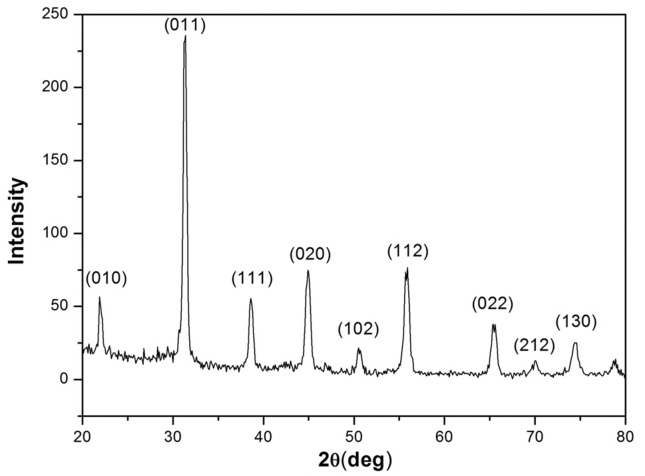
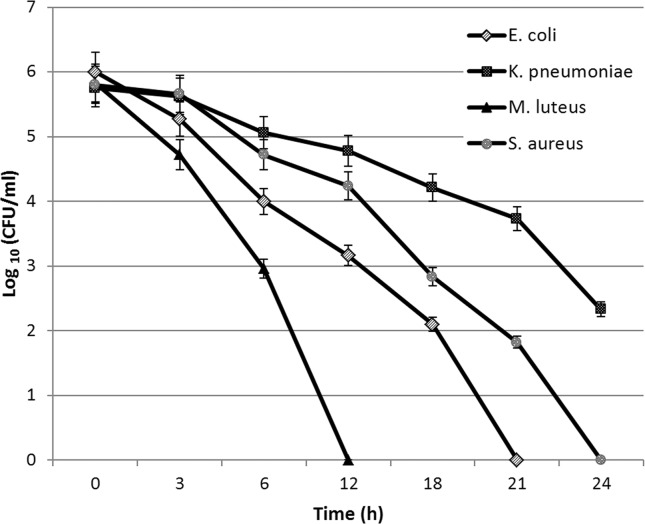
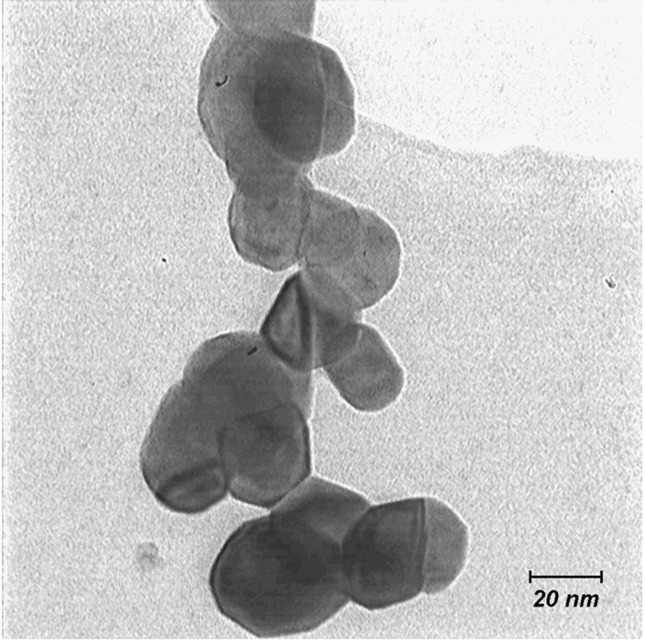
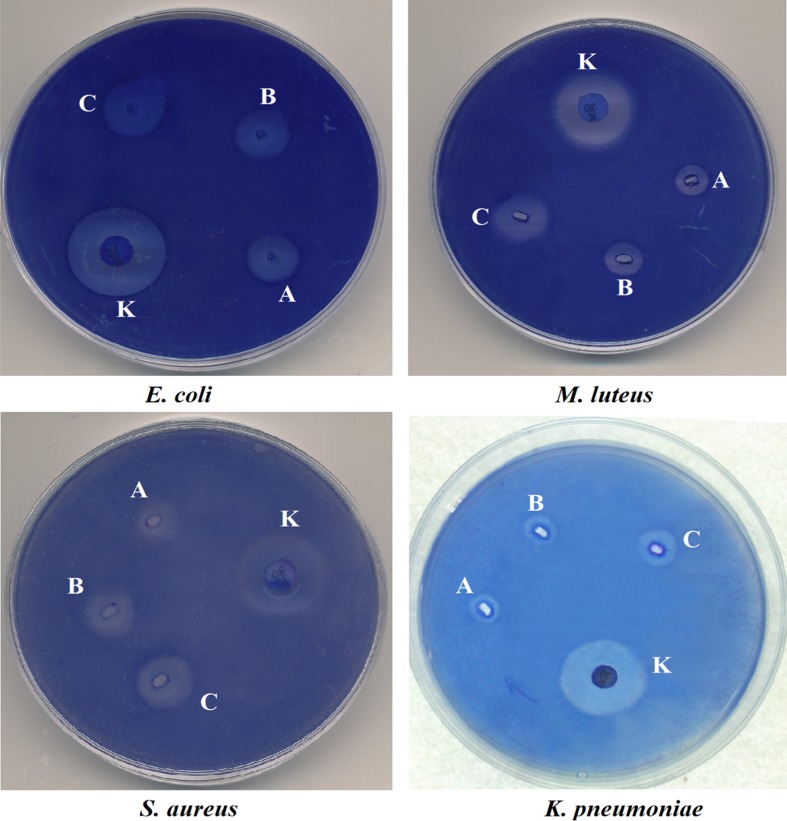
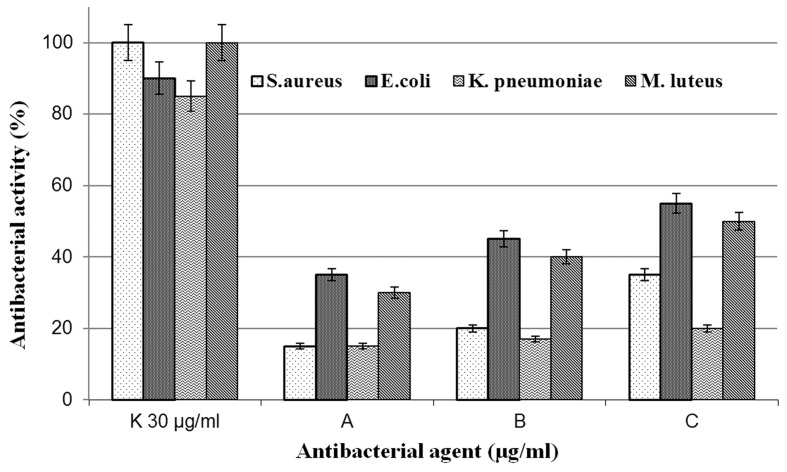
So far, the antibacterial activity of some organic and inorganic compounds has been studied. Barium zirconate titanate [Ba(ZrxTi₁-x)O₃] (x = 0.05) nanoparticle is an example of inorganic materials. In vitro studies have provided evidence for the antibacterial activity of this nanoparticle. In the current study, the nano-powder was synthesized by sol-gel method. X-ray diffraction showed that the powder was single-phase and had a perovskite structure at the calcination temperature of 1000 °C. Antibacterial activity of the desired nanoparticle was assessed on two gram-positive (Staphylococcus aureus PTCC1431 and Micrococcus luteus PTCC1625) and two gram-negative (Escherichia coli HP101BA 7601c and clinically isolated Klebsiella pneumoniae) bacteria according to Radial Diffusion Assay (RDA). The results showed that the antibacterial activity of BZT nano-powder on both gram-positive and gram-negative bacteria was acceptable. The minimum inhibitory concentration of this nano-powder was determined. The results showed that MIC values for E. coli, K. pneumoniae, M. luteus and S. aureus were about 2.3 μg/mL, 7.3 μg/mL, 3 μg/mL and 12 μg/mL, respectively. Minimum bactericidal concentration (MBC) was also evaluated and showed that the growth of E. coli, K. pneumoniae, M. luteus and S. aureus could be decreased at 2.3, 14, 3 and 18 μg/mL of BZT. Average log reduction in viable bacteria count in time-kill assay ranged between 6 Log₁₀ cfu/mL to zero after 24 h of incubation with BZT nanoparticle.
到目前为止,已经对一些有机和无机化合物的抗菌活性进行了研究。钛酸锆钡[Ba(ZrxTi₁-x)O₃](x = 0.05)纳米颗粒就是一种无机材料的例子。体外研究已经为这种纳米颗粒的抗菌活性提供了证据。在当前的研究中,通过溶胶 - 凝胶法合成了纳米粉末。X射线衍射表明,在1000℃的煅烧温度下,该粉末为单相且具有钙钛矿结构。根据径向扩散测定法(RDA),对两种革兰氏阳性菌(金黄色葡萄球菌PTCC1431和藤黄微球菌PTCC1625)和两种革兰氏阴性菌(大肠杆菌HP101BA 7601c和临床分离的肺炎克雷伯菌)评估了所需纳米颗粒的抗菌活性。结果表明,BZT纳米粉末对革兰氏阳性菌和革兰氏阴性菌的抗菌活性都是可以接受的。测定了这种纳米粉末的最低抑菌浓度。结果表明,大肠杆菌、肺炎克雷伯菌、藤黄微球菌和金黄色葡萄球菌的MIC值分别约为2.3μg/mL、7.3μg/mL、3μg/mL和12μg/mL。还评估了最低杀菌浓度(MBC),结果表明,在2.3、14、3和18μg/mL的BZT浓度下,大肠杆菌、肺炎克雷伯菌、藤黄微球菌和金黄色葡萄球菌的生长可以受到抑制。在用BZT纳米颗粒孵育24小时后,时间 - 杀菌试验中活菌数的平均对数减少范围在6 Log₁₀ cfu/mL至零之间。