Jackson Malcolm J
MRC-Arthritis Research UK Centre for Integrated Research into Musculoskeletal Ageing (CIMA), Department of Musculoskeletal Biology, Institute of Ageing and Chronic Disease, University of Liverpool, Liverpool, United Kingdom
J Appl Physiol (1985). 2015 Aug 1;119(3):163-71. doi: 10.1152/japplphysiol.00760.2014. Epub 2015 Mar 19.
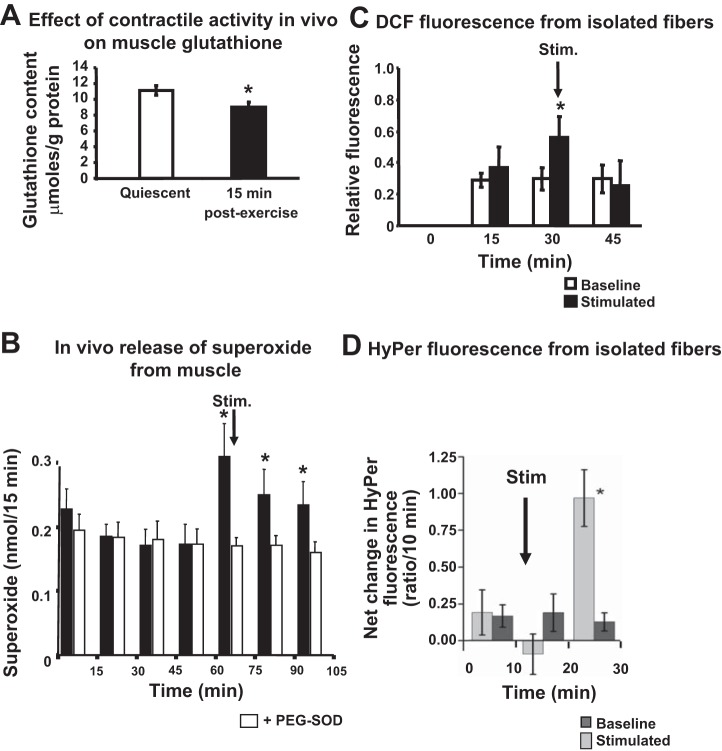
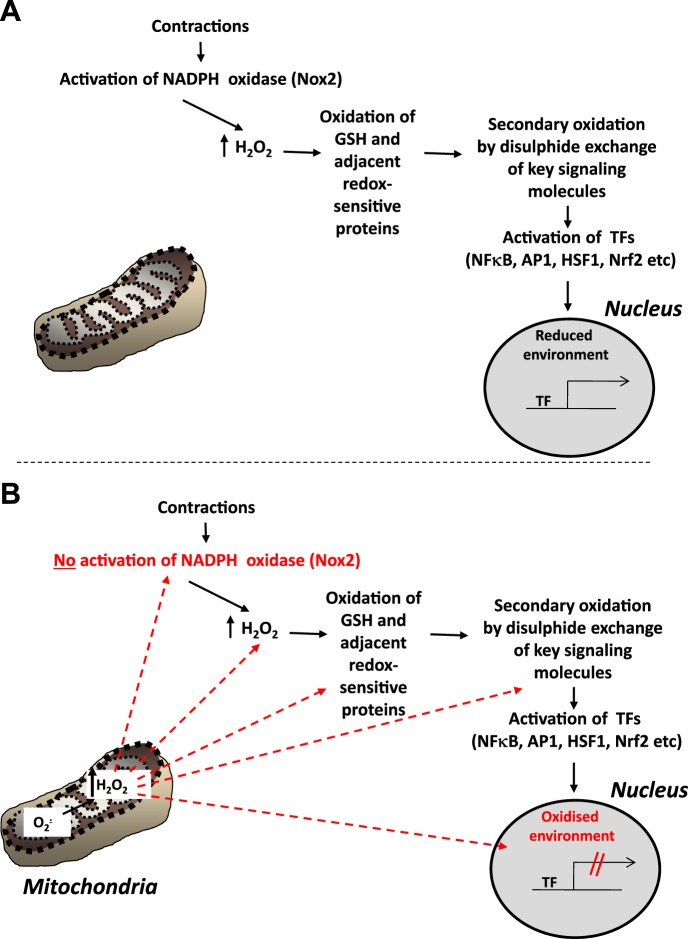
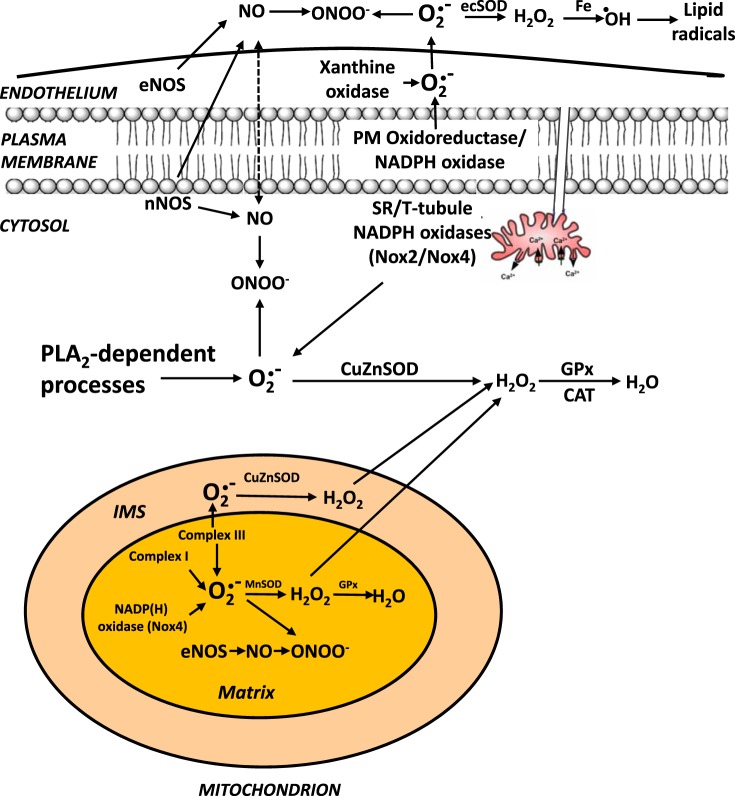
Superoxide and nitric oxide are generated by skeletal muscle, and these species are increased by contractile activity. Mitochondria have long been assumed to play the primary role in generation of superoxide in muscle, but recent studies indicate that, during contractile activity, membrane-localized NADPH oxidase(s) rapidly generate(s) superoxide that plays a role in redox signaling. This process is important in upregulation of rapid and specific cytoprotective responses that aid maintenance of cell viability following contractile activity, but the overall extent to which redox signaling contributes to regulation of muscle metabolism and homeostasis following contractile activity is currently unclear, as is identification of key redox-sensitive protein targets involved in these processes. Reactive oxygen and nitrogen species have also been implicated in the loss of muscle mass and function that occurs with aging, although recent work has questioned whether oxidative damage plays a key role in these processes. A failure of redox signaling occurs in muscle during aging and may contribute to the age-related loss of muscle fibers. Whether such changes in redox signaling reflect primary age-related changes or are secondary to the fundamental mechanisms is unclear. For instance, denervated muscle fibers within muscles from aged rodents or humans appear to generate large amounts of mitochondrial hydrogen peroxide that could influence adjacent innervated fibers. Thus, in this instance, a "secondary" source of reactive oxygen species may be potentially generated as a result of a primary age-related pathology (loss of neurons), but, nevertheless, may contribute to loss of muscle mass and function during aging.
超氧化物和一氧化氮由骨骼肌产生,且这些物质会因收缩活动而增加。长期以来,线粒体一直被认为在肌肉中超氧化物的产生中起主要作用,但最近的研究表明,在收缩活动期间,膜定位的NADPH氧化酶会迅速产生超氧化物,其在氧化还原信号传导中发挥作用。这一过程对于上调快速且特定的细胞保护反应很重要,这些反应有助于在收缩活动后维持细胞活力,但目前尚不清楚氧化还原信号传导在收缩活动后对肌肉代谢和稳态调节的总体贡献程度,以及参与这些过程的关键氧化还原敏感蛋白靶点的识别情况。活性氧和氮物质也与衰老过程中发生的肌肉质量和功能丧失有关,尽管最近的研究对氧化损伤在这些过程中是否起关键作用提出了质疑。衰老过程中肌肉会出现氧化还原信号传导障碍,这可能导致与年龄相关的肌肉纤维丧失。目前尚不清楚这种氧化还原信号传导的变化是反映了与年龄相关的原发性变化还是继发于基本机制。例如,来自老年啮齿动物或人类肌肉中的失神经支配肌肉纤维似乎会产生大量线粒体过氧化氢,这可能会影响相邻的有神经支配的纤维。因此,在这种情况下,活性氧的“继发性”来源可能是由于与年龄相关的原发性病理(神经元丧失)而潜在产生的,但尽管如此,可能会导致衰老过程中肌肉质量和功能的丧失。