Banerji Christopher R S, Severini Simone, Caldas Carlos, Teschendorff Andrew E
Statistical Cancer Genomics, Paul O'Gorman Building, UCL Cancer Institute, University College London, London WC1E 6BT, UK; Department of Computer Science, University College London, London WC1E 6BT, UK; Centre of Mathematics and Physics in the Life Sciences and Experimental Biology, University College London, London WC1E 6BT, UK.
Department of Computer Science, University College London, London WC1E 6BT, UK.
PLoS Comput Biol. 2015 Mar 20;11(3):e1004115. doi: 10.1371/journal.pcbi.1004115. eCollection 2015 Mar.
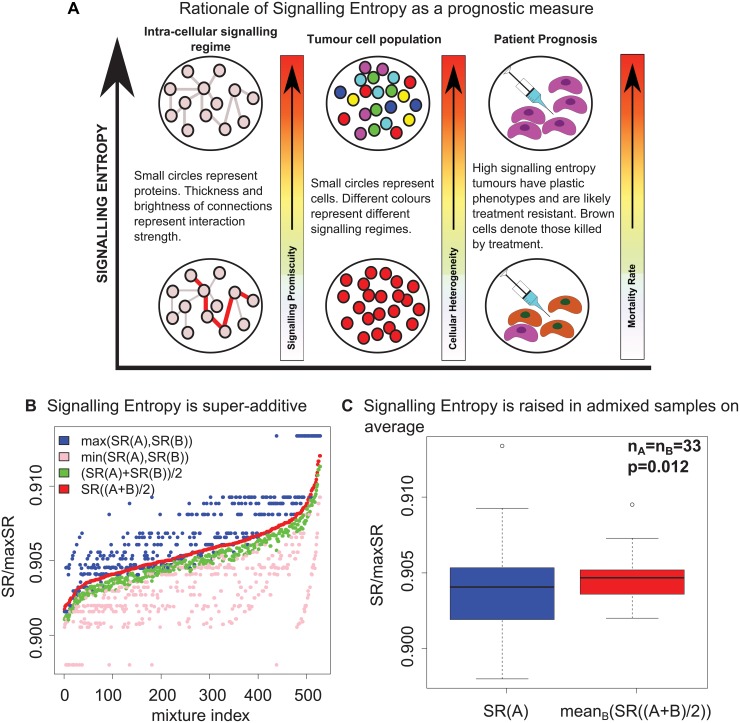
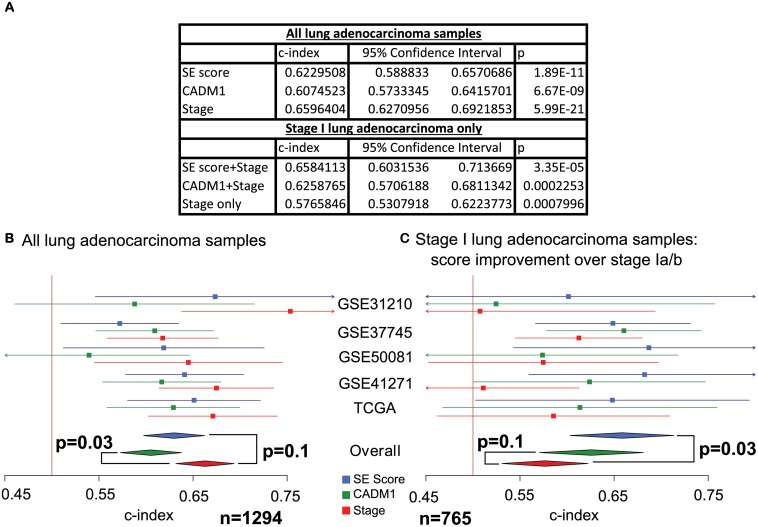
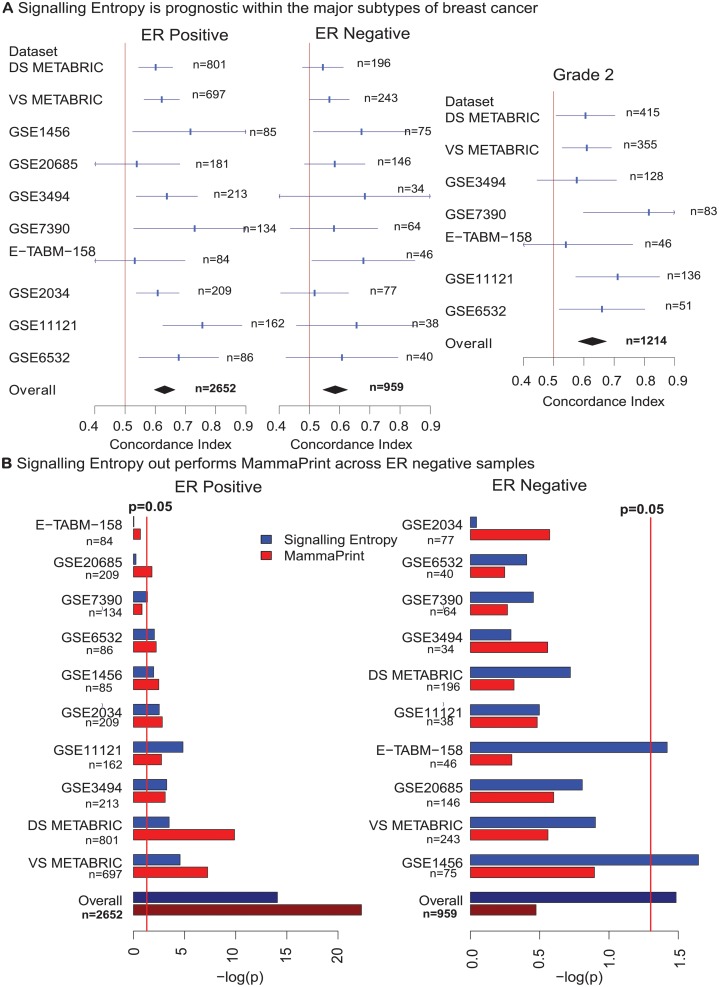
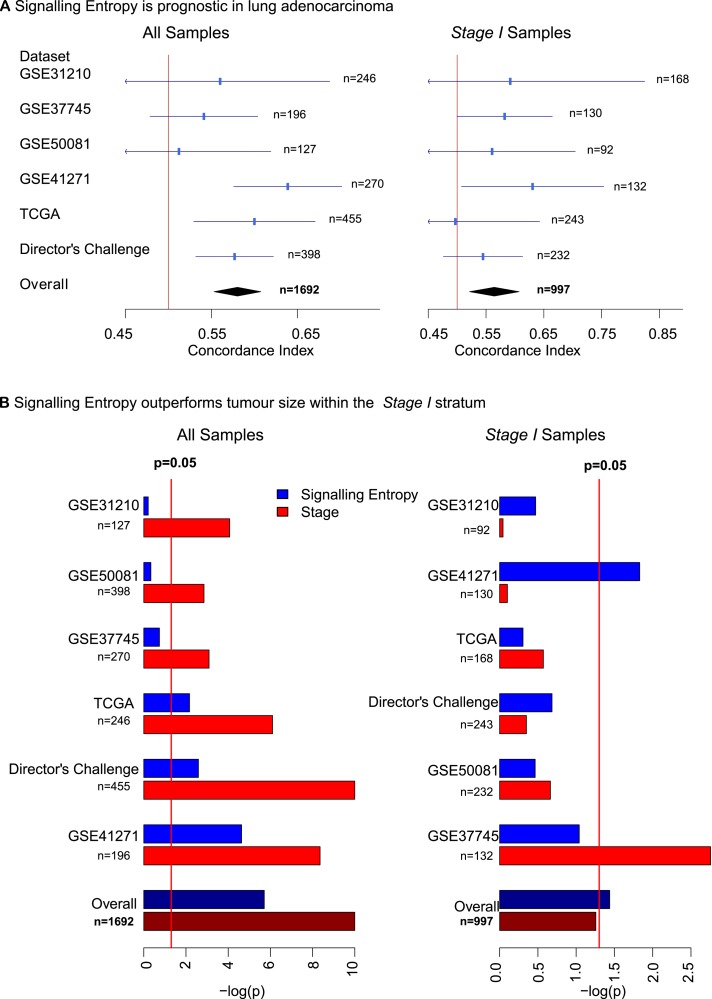
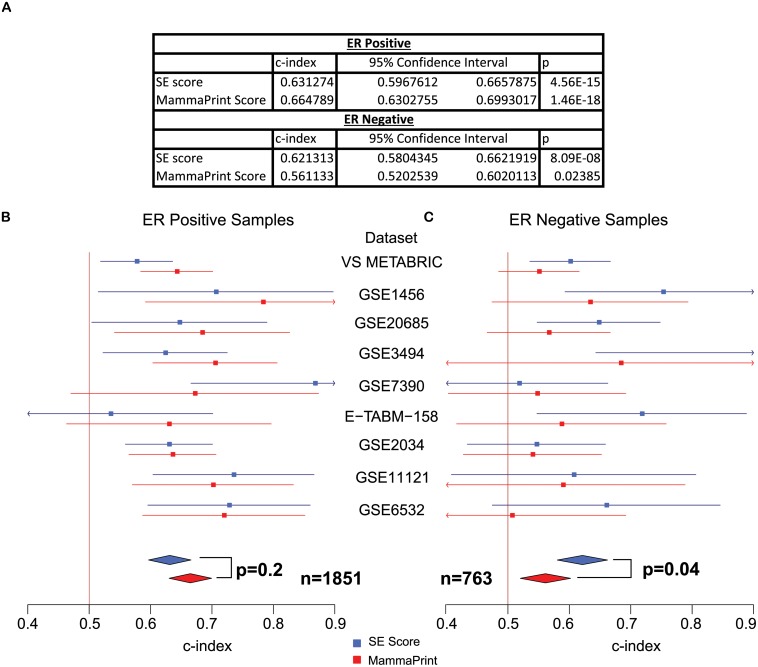
The cancer stem cell hypothesis, that a small population of tumour cells are responsible for tumorigenesis and cancer progression, is becoming widely accepted and recent evidence has suggested a prognostic and predictive role for such cells. Intra-tumour heterogeneity, the diversity of the cancer cell population within the tumour of an individual patient, is related to cancer stem cells and is also considered a potential prognostic indicator in oncology. The measurement of cancer stem cell abundance and intra-tumour heterogeneity in a clinically relevant manner however, currently presents a challenge. Here we propose signalling entropy, a measure of signalling pathway promiscuity derived from a sample's genome-wide gene expression profile, as an estimate of the stemness of a tumour sample. By considering over 500 mixtures of diverse cellular expression profiles, we reveal that signalling entropy also associates with intra-tumour heterogeneity. By analysing 3668 breast cancer and 1692 lung adenocarcinoma samples, we further demonstrate that signalling entropy correlates negatively with survival, outperforming leading clinical gene expression based prognostic tools. Signalling entropy is found to be a general prognostic measure, valid in different breast cancer clinical subgroups, as well as within stage I lung adenocarcinoma. We find that its prognostic power is driven by genes involved in cancer stem cells and treatment resistance. In summary, by approximating both stemness and intra-tumour heterogeneity, signalling entropy provides a powerful prognostic measure across different epithelial cancers.
癌症干细胞假说认为,一小部分肿瘤细胞是肿瘤发生和癌症进展的原因,这一假说正被广泛接受,并且最近的证据表明此类细胞具有预后和预测作用。肿瘤内异质性,即个体患者肿瘤内癌细胞群体的多样性,与癌症干细胞相关,并且在肿瘤学中也被视为一种潜在的预后指标。然而,以临床相关的方式测量癌症干细胞丰度和肿瘤内异质性目前是一项挑战。在此,我们提出信号熵,一种从样本的全基因组基因表达谱得出的信号通路混杂度的度量,作为肿瘤样本干性的估计值。通过考虑超过500种不同细胞表达谱的混合物,我们发现信号熵也与肿瘤内异质性相关。通过分析3668例乳腺癌和1692例肺腺癌样本,我们进一步证明信号熵与生存率呈负相关,优于基于临床基因表达的领先预后工具。发现信号熵是一种通用的预后度量,在不同的乳腺癌临床亚组以及I期肺腺癌中均有效。我们发现其预后能力由参与癌症干细胞和治疗抗性的基因驱动。总之,通过近似干性和肿瘤内异质性,信号熵为不同上皮癌提供了一种强大的预后度量。