Hampshire Adam
The Computational, Cognitive and Clinical Neuroimaging Laboratory, Division of Brain Sciences, Imperial College London, London, United Kingdom.
Neuroimage. 2015 Jun;113:340-55. doi: 10.1016/j.neuroimage.2015.03.053. Epub 2015 Mar 25.
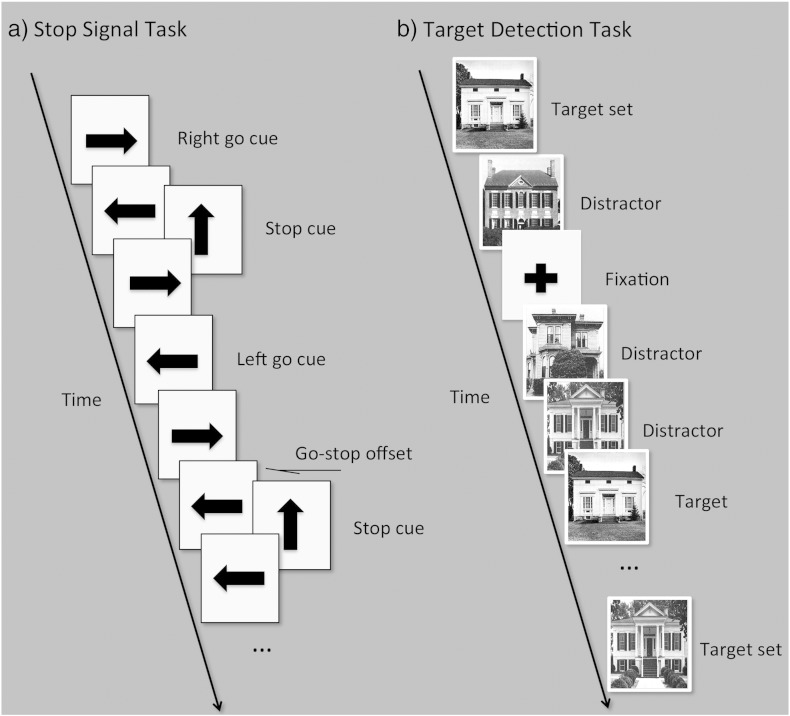
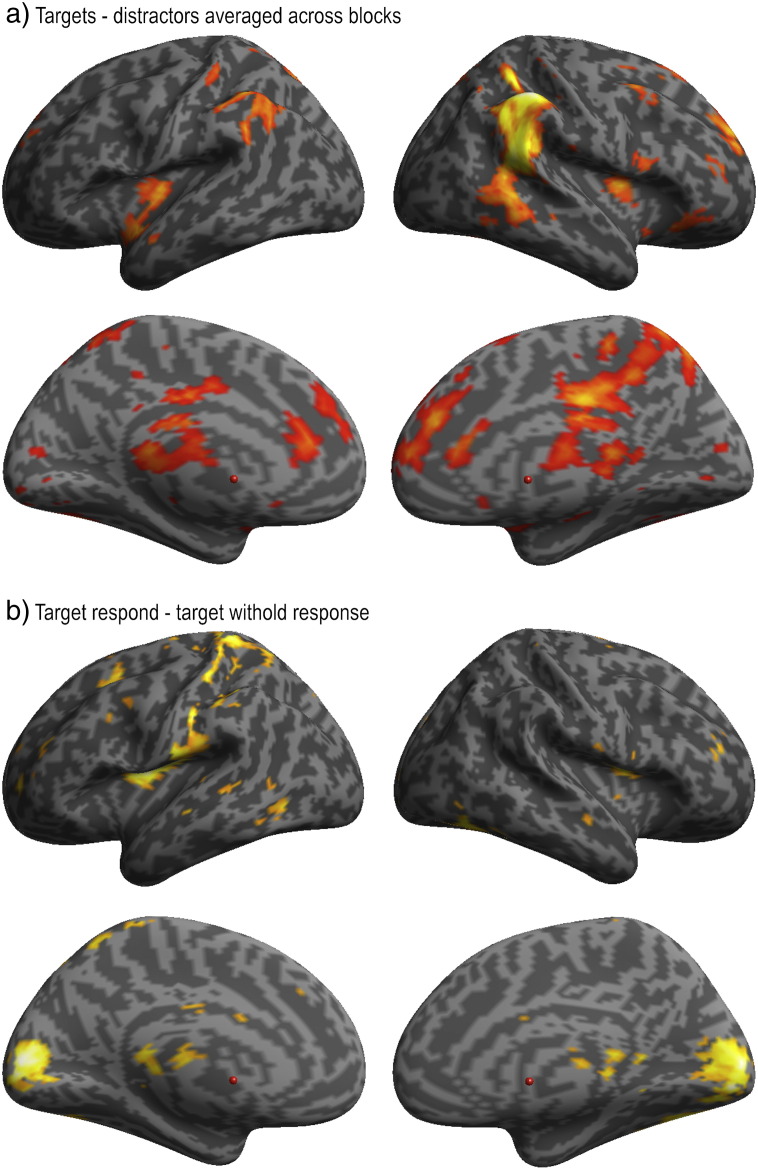
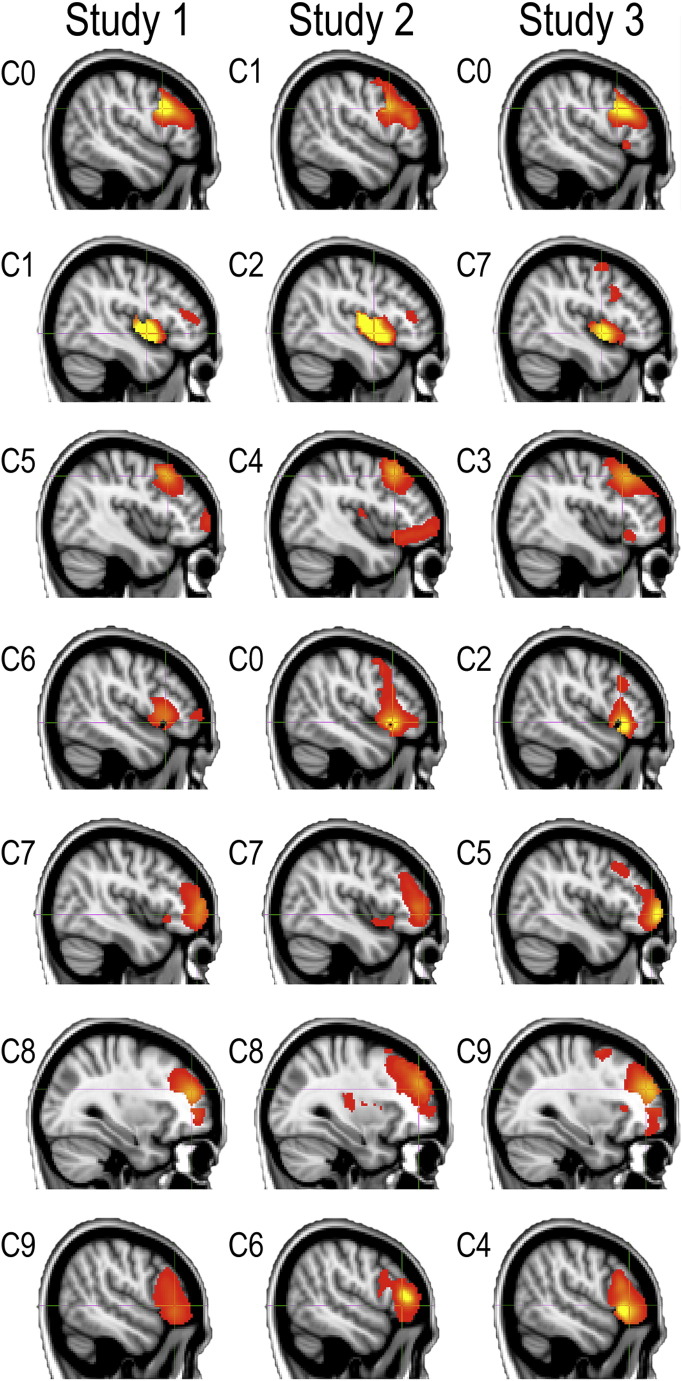
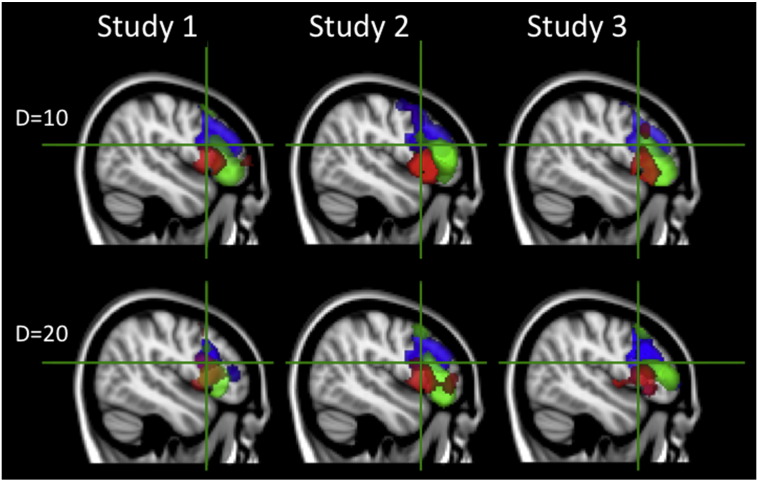
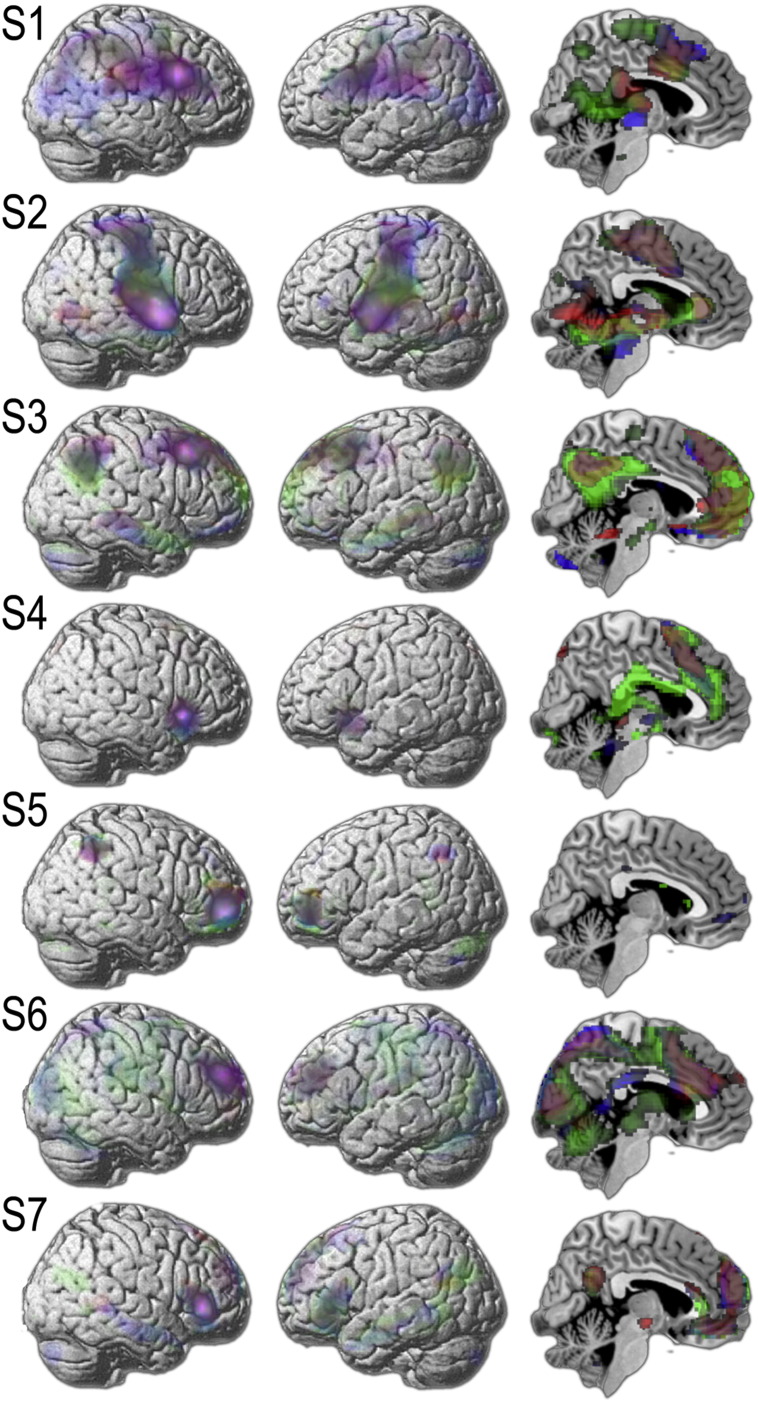
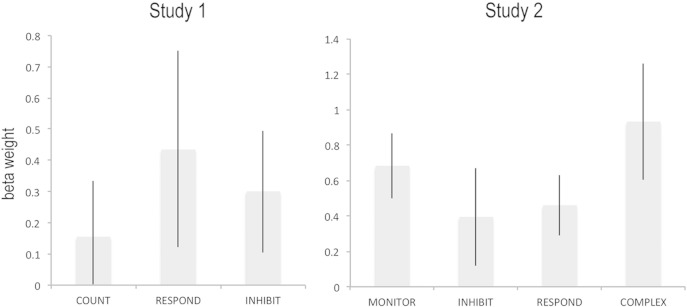
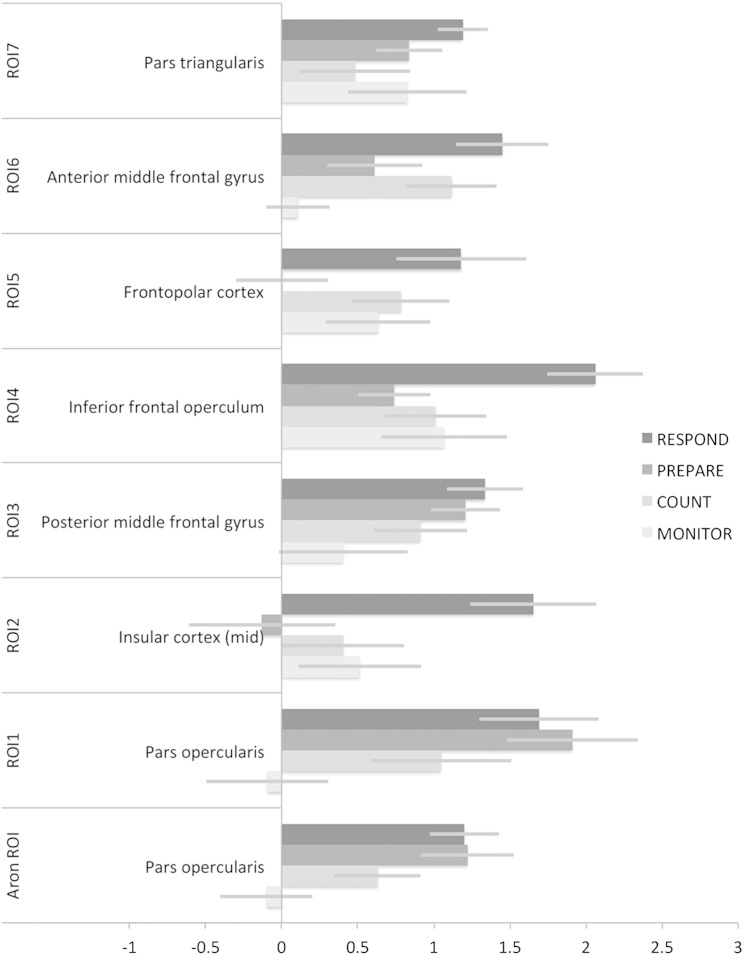
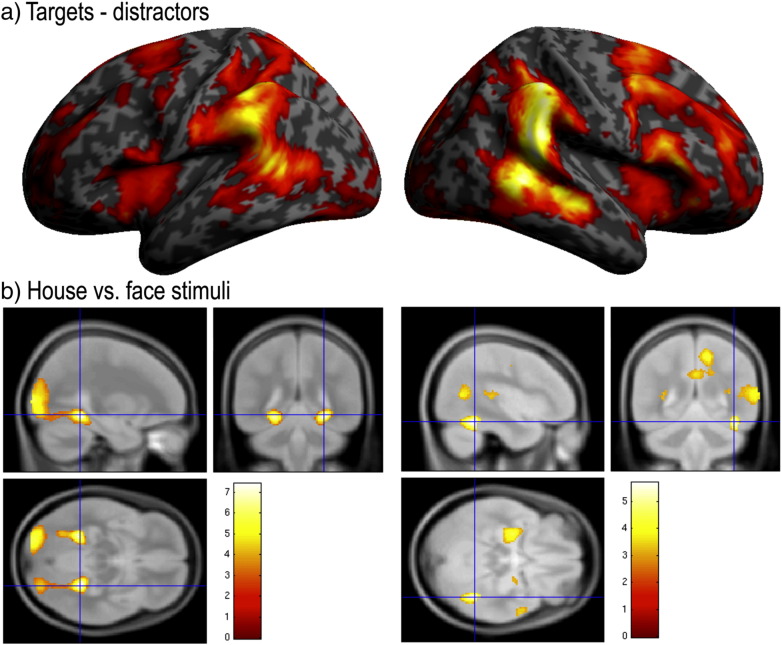
There has been much recent debate regarding the neural basis of motor response inhibition. An influential hypothesis from the last decade proposes that a module within the right inferior frontal cortex (RIFC) of the human brain is dedicated to supporting response inhibition. However, there is growing evidence to support the alternative view that response inhibition is just one prominent example of the many cognitive control processes that are supported by the same set of 'domain general' functional networks. Here, I test directly between the modular and network accounts of motor response inhibition by applying a combination of data-driven, event-related and functional connectivity analyses to fMRI data from a variety of attention and inhibition tasks. The results demonstrate that there is no inhibitory module within the RIFC. Instead, response inhibition recruits a functionally heterogeneous ensemble of RIFC networks, which can be dissociated from each other in the context of other task demands.
最近,关于运动反应抑制的神经基础存在诸多争论。过去十年中一个有影响力的假说提出,人类大脑右前额叶下回(RIFC)内的一个模块专门用于支持反应抑制。然而,越来越多的证据支持另一种观点,即反应抑制只是由同一组“领域通用”功能网络支持的众多认知控制过程中的一个突出例子。在这里,我通过将数据驱动、事件相关和功能连接分析相结合,应用于来自各种注意力和抑制任务的功能磁共振成像(fMRI)数据,直接测试了运动反应抑制的模块化和网络模型。结果表明,RIFC内不存在抑制模块。相反,反应抑制会募集RIFC网络中功能异质的集合,这些集合在其他任务需求的背景下可以相互分离。