Maswadeh Hamzah M, Aljarbou Ahmad N, Alorainy Mohammed S, Alsharidah Mansour S, Khan Masood A
Department of Pharmaceutics, College of Pharmacy, Qassim University, Buraidah 51412, Saudi Arabia.
Department of Pharmacology & Therapeutics, College of Medicine, Qassim University, Buraydah, Saudi Arabia.
Biomed Res Int. 2015;2015:743051. doi: 10.1155/2015/743051. Epub 2015 Mar 2.
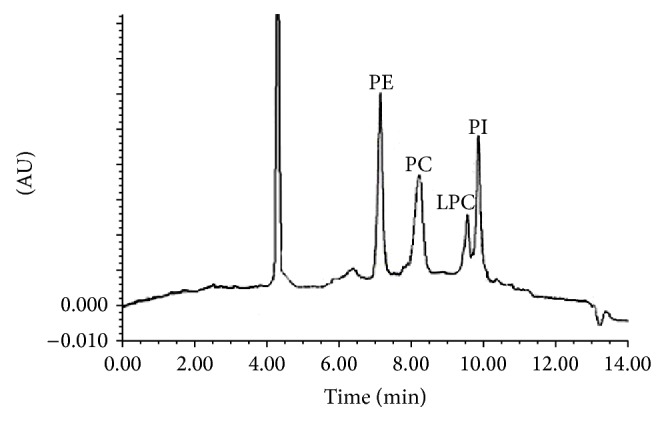
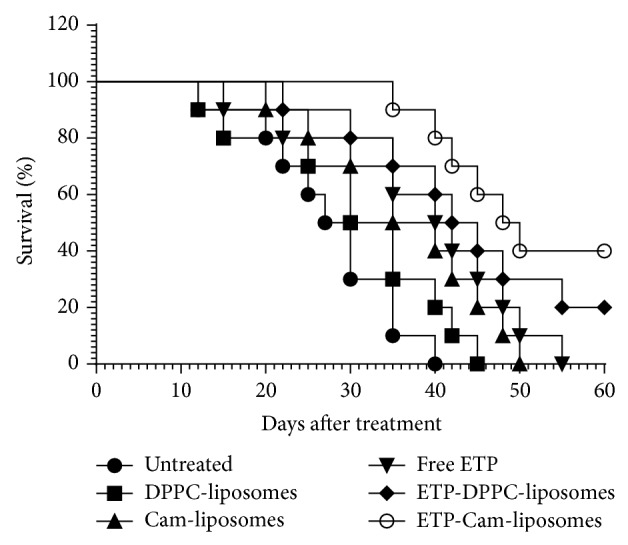
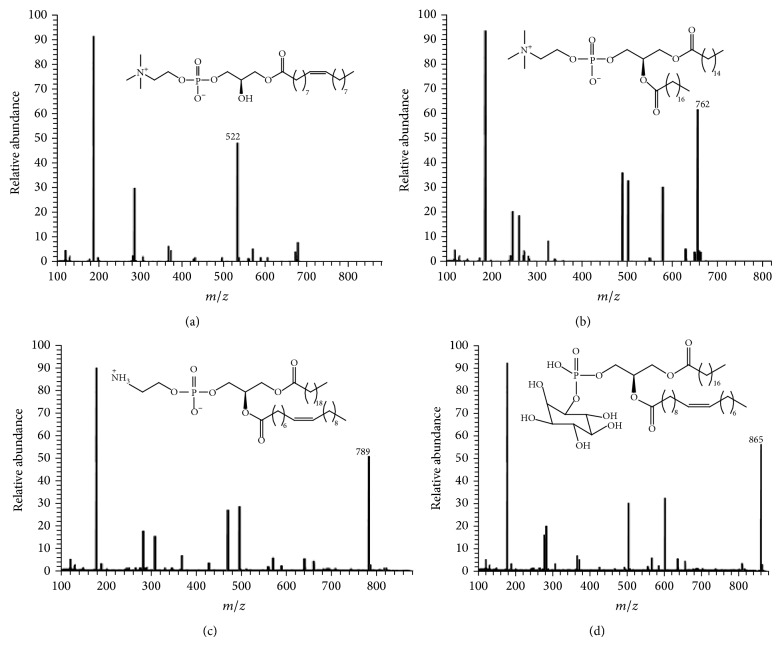
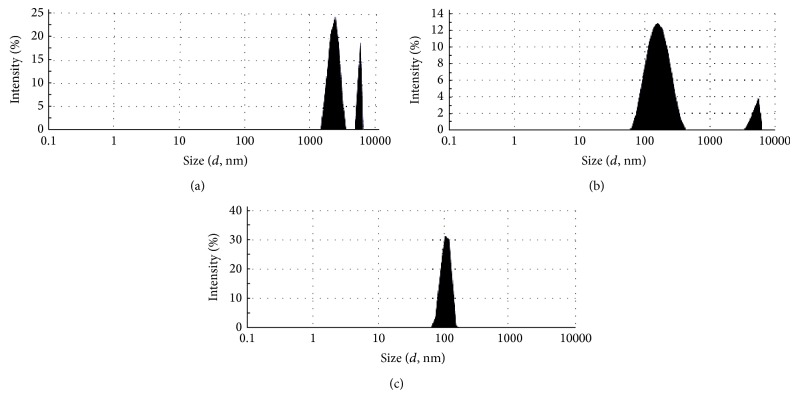
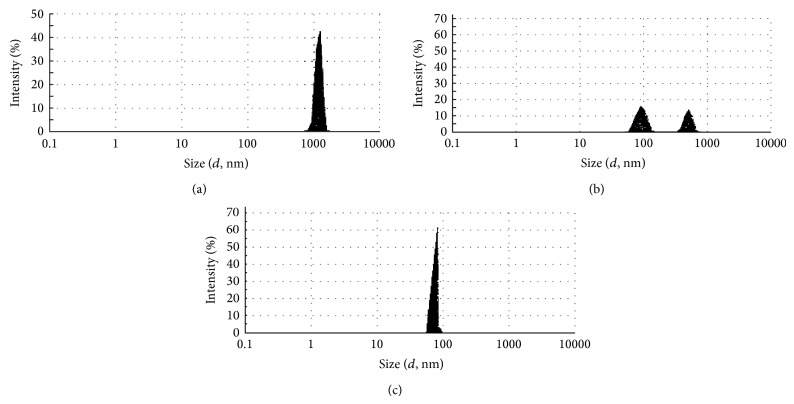
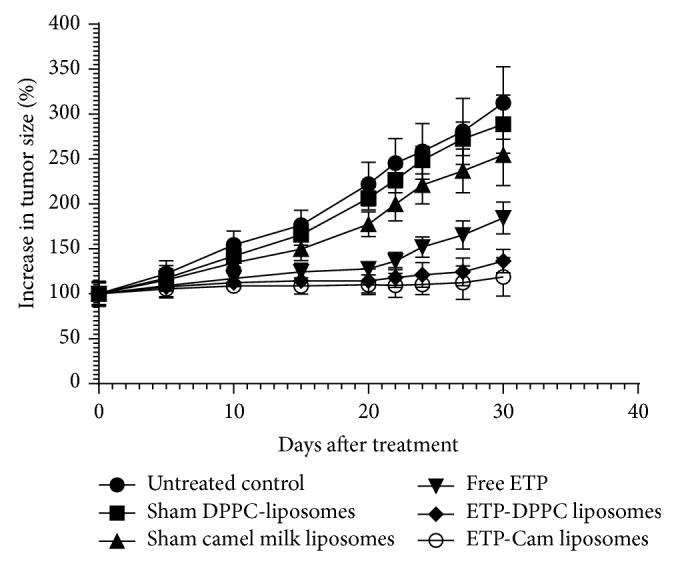
Phospholipids were isolated from camel milk and identified by using high performance liquid chromatography and gas chromatography-mass spectrometry (GC/MS). Anticancer drug etoposide (ETP) was entrapped in liposomes, prepared from camel milk phospholipids, to determine its activity against fibrosarcoma in a murine model. Fibrosarcoma was induced in mice by injecting benzopyrene (BAP) and tumor-bearing mice were treated with various formulations of etoposide, including etoposide entrapped camel milk phospholipids liposomes (ETP-Cam-liposomes) and etoposide-loaded DPPC-liposomes (ETP-DPPC-liposomes). The tumor-bearing mice treated with ETP-Cam-liposomes showed slow progression of tumors and increased survival compared to free ETP or ETP-DPPC-liposomes. These results suggest that ETP-Cam-liposomes may prove to be a better drug delivery system for anticancer drugs.
从骆驼奶中分离出磷脂,并通过高效液相色谱和气相色谱-质谱联用(GC/MS)进行鉴定。将抗癌药物依托泊苷(ETP)包裹于由骆驼奶磷脂制备的脂质体中,以确定其在小鼠模型中对纤维肉瘤的活性。通过注射苯并芘(BAP)在小鼠体内诱导纤维肉瘤,用多种依托泊苷制剂对荷瘤小鼠进行治疗,包括包裹于骆驼奶磷脂脂质体中的依托泊苷(ETP-骆驼奶脂质体)和负载于二棕榈酰磷脂酰胆碱(DPPC)脂质体中的依托泊苷(ETP-DPPC脂质体)。与游离依托泊苷或ETP-DPPC脂质体相比,用ETP-骆驼奶脂质体治疗的荷瘤小鼠肿瘤进展缓慢且生存期延长。这些结果表明,ETP-骆驼奶脂质体可能是一种更好的抗癌药物递送系统。