van Andel Judith, Leijten Frans, van Delden Hans, van Thiel Ghislaine
University Medical Centre Utrecht, Department of Clinical Neurophysiology, Utrecht, The Netherlands.
University Medical Centre Utrecht, Julius Center for Health Sciences and Primary Care, Utrecht, The Netherlands.
PLoS One. 2015 Apr 13;10(4):e0121446. doi: 10.1371/journal.pone.0121446. eCollection 2015.
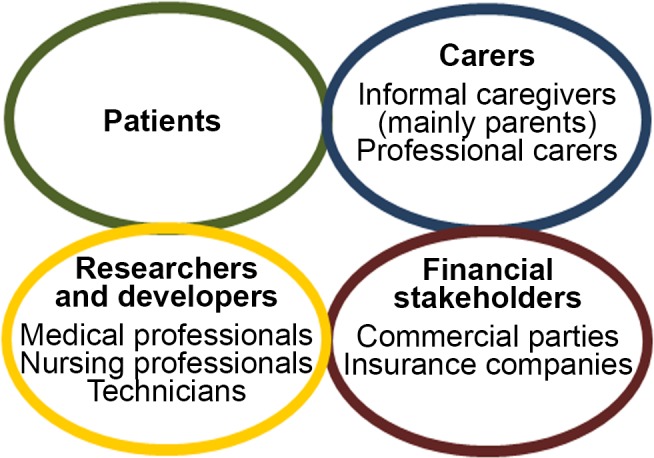
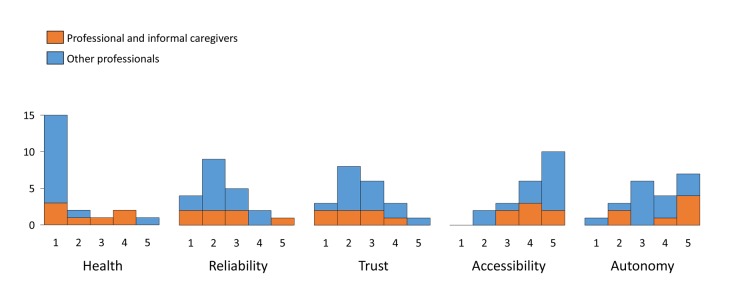
A device for the in-home detection of nocturnal seizures is currently being developed in the Netherlands, to improve care for patients with severe epilepsy. It is recognized that the design of medical technology is not value neutral: perspectives of users and developers are influential in design, and design choices influence these perspectives. However, during development processes, these influences are generally ignored and value-related choices remain implicit and poorly argued for. In the development process of the seizure detector we aimed to take values of all stakeholders into consideration. Therefore, we performed a parallel ethics study, using "value sensitive design." Analysis of stakeholder communication (in meetings and e-mail messages) identified five important values, namely, health, trust, autonomy, accessibility, and reliability. Stakeholders were then asked to give feedback on the choice of these values and how they should be interpreted. In a next step, the values were related to design choices relevant for the device, and then the consequences (risks and benefits) of these choices were investigated. Currently the process of design and testing of the device is still ongoing. The device will be validated in a trial in which the identified consequences of design choices are measured as secondary endpoints. Value sensitive design methodology is feasible for the development of new medical technology and can help designers substantiate the choices in their design.
荷兰目前正在研发一种用于家庭夜间癫痫发作检测的设备,以改善对重度癫痫患者的护理。人们认识到,医疗技术的设计并非价值中立:用户和开发者的观点会对设计产生影响,而设计选择也会影响这些观点。然而,在开发过程中,这些影响通常被忽视,与价值相关的选择仍然隐含且缺乏充分论证。在癫痫发作检测器的开发过程中,我们旨在考虑所有利益相关者的价值观。因此,我们采用“价值敏感设计”进行了一项平行伦理研究。对利益相关者沟通(会议和电子邮件)的分析确定了五个重要价值观,即健康、信任、自主性、可及性和可靠性。然后,我们要求利益相关者就这些价值观的选择以及应如何解释提供反馈。下一步,将这些价值观与该设备相关的设计选择联系起来,然后研究这些选择的后果(风险和益处)。目前,该设备的设计和测试过程仍在进行中。该设备将在一项试验中进行验证,在该试验中,设计选择的已确定后果将作为次要终点进行测量。价值敏感设计方法对于新医疗技术的开发是可行的,并且可以帮助设计者证实其设计中的选择。