Yong Yuk Lin, Plançon Aline, Lau Yen Hui, Hostetler Dana M, Fernández Facundo M, Green Michael D, Sounvoravong Sourisak, Nara Suon, Boravann Mam, Dumrong Thitikornkovit, Bangsawan Nurjaya, Low Min Yong, Lim Chin-Chin, Ai Ruth Lee Choo, Newton Paul N
Am J Trop Med Hyg. 2015 Jun;92(6 Suppl):105-112. doi: 10.4269/ajtmh.14-0574. Epub 2015 Apr 20.
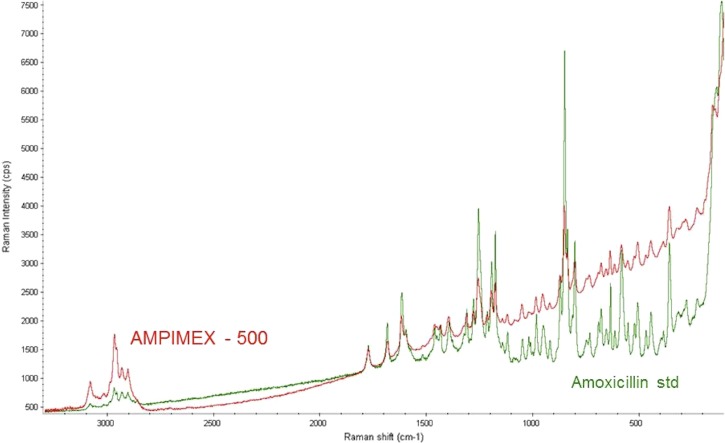
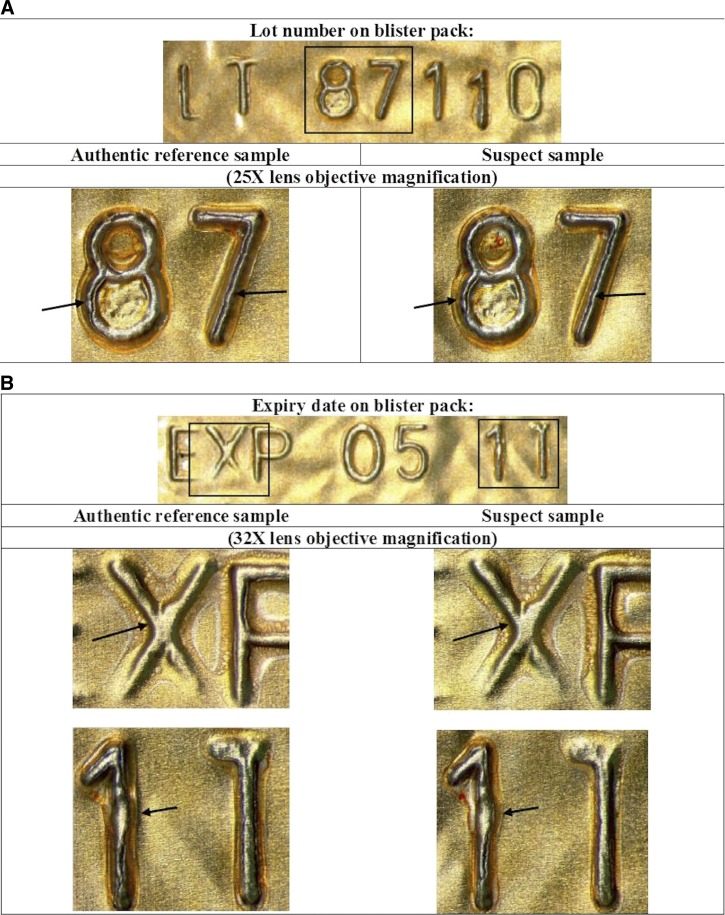
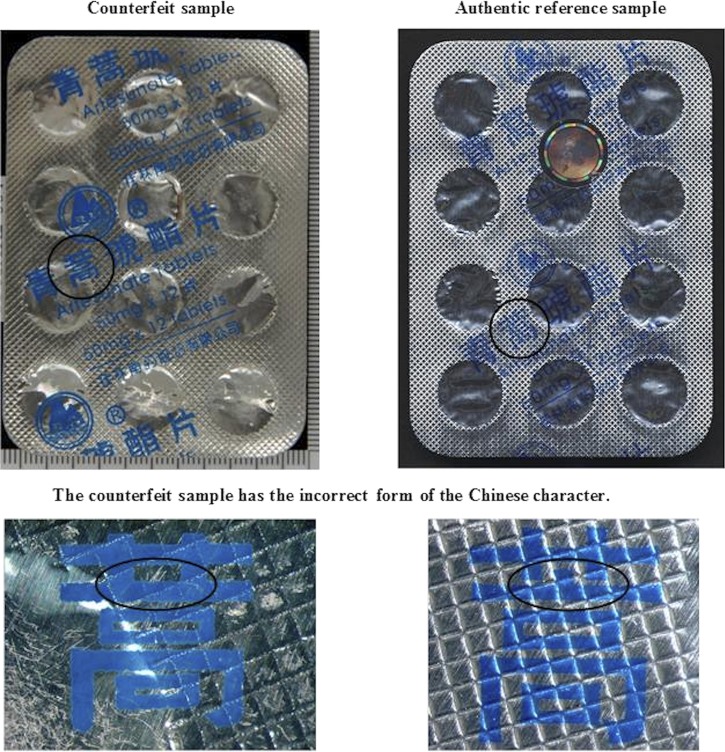
Counterfeit (or falsified) and substandard medicines pose a major public health risk. We describe the findings of Operation Storm I and II conducted in 2008-2009 to combat counterfeit medicines through partnership between national customs, Drug Regulatory Agencies (DRAs), and police in Cambodia, Indonesia, Laos, Myanmar, Singapore, Thailand, and Vietnam. Samples were obtained from seizures and market surveillance by national DRAs. Laboratory analysis using spectroscopic and chromatographic techniques and examination of packaging were performed. Ninety-three suspect antibiotics and 95 antimalarial samples were collected. Of the 93 antibiotics, 29 (31%) had % active pharmaceutical ingredient content (%API) < 85% or > 115% (including one counterfeit). Of the 95 antimalarials, 30 (32%) had %API < 85 > 115% API (including one counterfeit). A significant minority of samples, antimalarials (13%) and antibiotics (15%), were collected in plastic bags with minimal or no labeling. Of 20 ampicillin samples, 13 (65%) contained < 85% API (with one counterfeit containing additional amoxicillin). Of 34 oral artesunate samples, 7 (21%) contained %API out of the 85-115% range. Coordinated and synergistic partnership adopted by the participating countries, International Criminal Police Organization (INTERPOL), World Health Organization (WHO), and laboratories facilitated a platform for discussions and intelligence sharing, helping to improve each participating country's capacity to combat poor-quality medicines.
假冒(或伪造)药品和不合格药品构成重大公共卫生风险。我们描述了2008年至2009年开展的“风暴行动一”和“风暴行动二”的调查结果,这些行动通过柬埔寨、印度尼西亚、老挝、缅甸、新加坡、泰国和越南的国家海关、药品监管机构(DRA)和警方之间的合作来打击假冒药品。样本由各国药品监管机构从缉获物品和市场监测中获取。采用光谱和色谱技术进行实验室分析并检查包装。共收集了93份可疑抗生素样本和95份抗疟药样本。在93份抗生素样本中,29份(31%)的活性药物成分含量(%API)<85%或>115%(包括1份假冒药品)。在95份抗疟药样本中,30份(32%)的%API<85%或>115%(包括1份假冒药品)。一小部分样本,即抗疟药(13%)和抗生素(15%),是装在塑料袋中收集的,标签极少或没有标签。在20份氨苄西林样本中,13份(65%)的API含量<85%(其中1份假冒药品还含有阿莫西林)。在34份青蒿琥酯口服样本中,7份(21%)的%API不在85%-115%范围内。参与国、国际刑事警察组织(国际刑警组织)、世界卫生组织(世卫组织)和各实验室采用的协调和协同合作搭建了一个讨论和情报共享平台,有助于提高每个参与国打击劣质药品的能力。