Salava Alexander, Lauerma Antti
Department of Dermatology and Allergology, Helsinki University Central Hospital and University of Helsinki, Meilahdentie 2, Helsinki, 00250 Finland.
Clin Transl Allergy. 2014 Oct 17;4:33. doi: 10.1186/2045-7022-4-33. eCollection 2014.
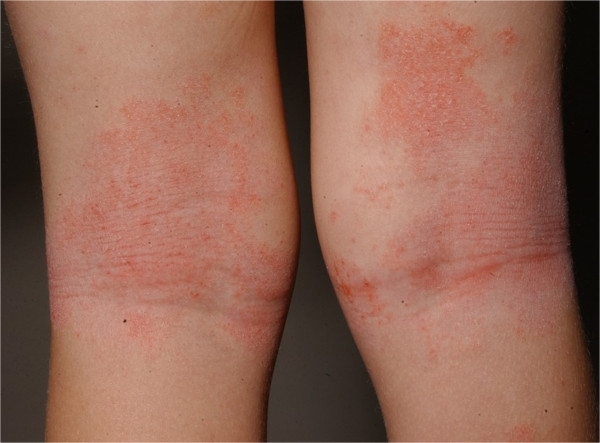
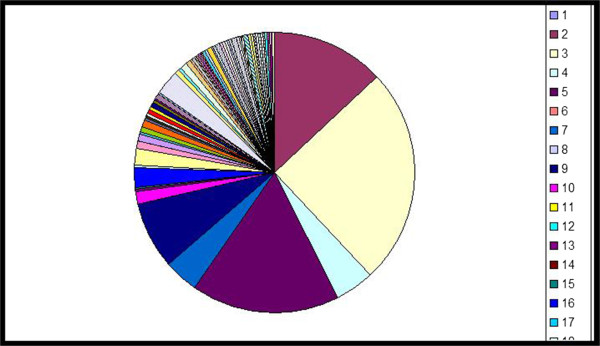
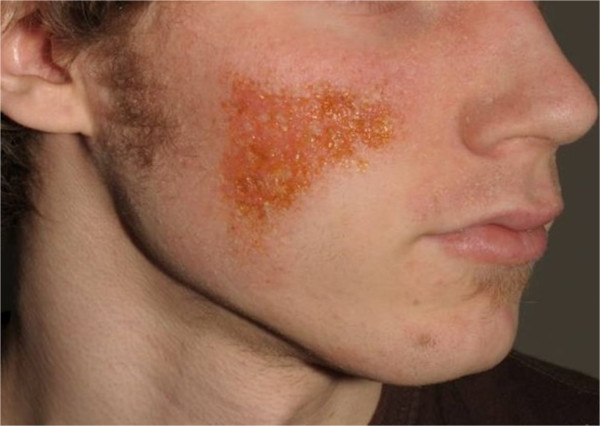
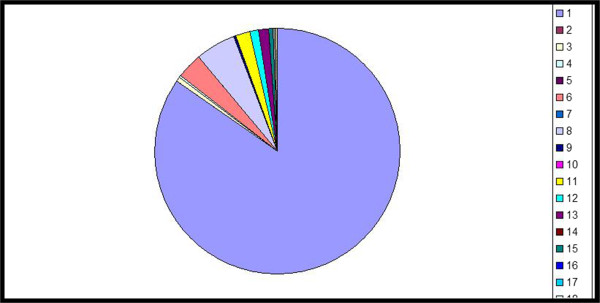
Atopic dermatitis (AD) is a common inflammatory skin disorder and characterized by abnormalities in both skin barrier structures and alternations of the immune response. Molecular genetics have dramatically changed our vision of the micro-organisms colonizing the human skin and recently well-documented changes in the skin microbiome in atopic dermatitis have become evident. The microbiome shifts have been primarily documented during disease flares and localized to sites of disease predilection, e.g. folds or facial area. In contrast, active treatment has been associated with a recolonisation and higher cutaneous microbial diversity. Additionally to the known dysfunctions in barrier function of the skin (e.g. filaggrin mutations) and immunologic disturbances (e.g. Th2-shift), evidence is rising that atopic dermatitis is also connected to a dysbiosis of the microbial community without an invading pathogen. In the future the investigation of the patient's skin microbiome may have a foothold in the clinician's diagnostic repertoire and treatment of atopic dermatitis.
特应性皮炎(AD)是一种常见的炎症性皮肤病,其特征是皮肤屏障结构异常和免疫反应改变。分子遗传学极大地改变了我们对定殖于人类皮肤的微生物的认识,最近有充分记录表明,特应性皮炎患者皮肤微生物群的变化已很明显。微生物群的变化主要在疾病发作期间被记录下来,并局限于疾病好发部位,如褶皱处或面部。相比之下,积极治疗与微生物重新定殖和皮肤微生物多样性增加有关。除了已知的皮肤屏障功能障碍(如丝聚合蛋白突变)和免疫紊乱(如Th2偏移)外,越来越多的证据表明,特应性皮炎还与微生物群落失调有关,而不存在入侵病原体。未来,对患者皮肤微生物群的研究可能会在临床医生对特应性皮炎的诊断和治疗中占有一席之地。