Bijarnia Rakesh K, Bachtler Matthias, Chandak Prakash G, van Goor Harry, Pasch Andreas
Department of Nephrology, Hypertension and Clinical Pharmacology, University Hospital and University of Bern, Inselspital, Bern, Switzerland; Department of Clinical Research, University Hospital and University of Bern, Inselspital, Bern, Switzerland.
Department of Pathology and Medical Biology, University of Groningen, University Medical Center Groningen, Groningen, The Netherlands.
PLoS One. 2015 Apr 30;10(4):e0124881. doi: 10.1371/journal.pone.0124881. eCollection 2015.
Hyperoxaluria causes crystal deposition in the kidney, which leads to oxidative stress and to injury and damage of the renal epithelium. Sodium thiosulfate (STS, Na2S2O3) is an anti-oxidant, which has been used in human medicine for decades. The effect of STS on hyperoxaluria-induced renal damage is not known.
Hyperoxaluria and renal injury were induced in healthy male Wistar rats by chronic exposure to ethylene glycol (EG, 0.75%) in the drinking water for 4 weeks. The treatment effects of STS, NaCl or Na2SO4 were compared. Furthermore, the effects of STS on oxalate-induced oxidative stress were investigated in vitro in renal LLC-PK1 cells.
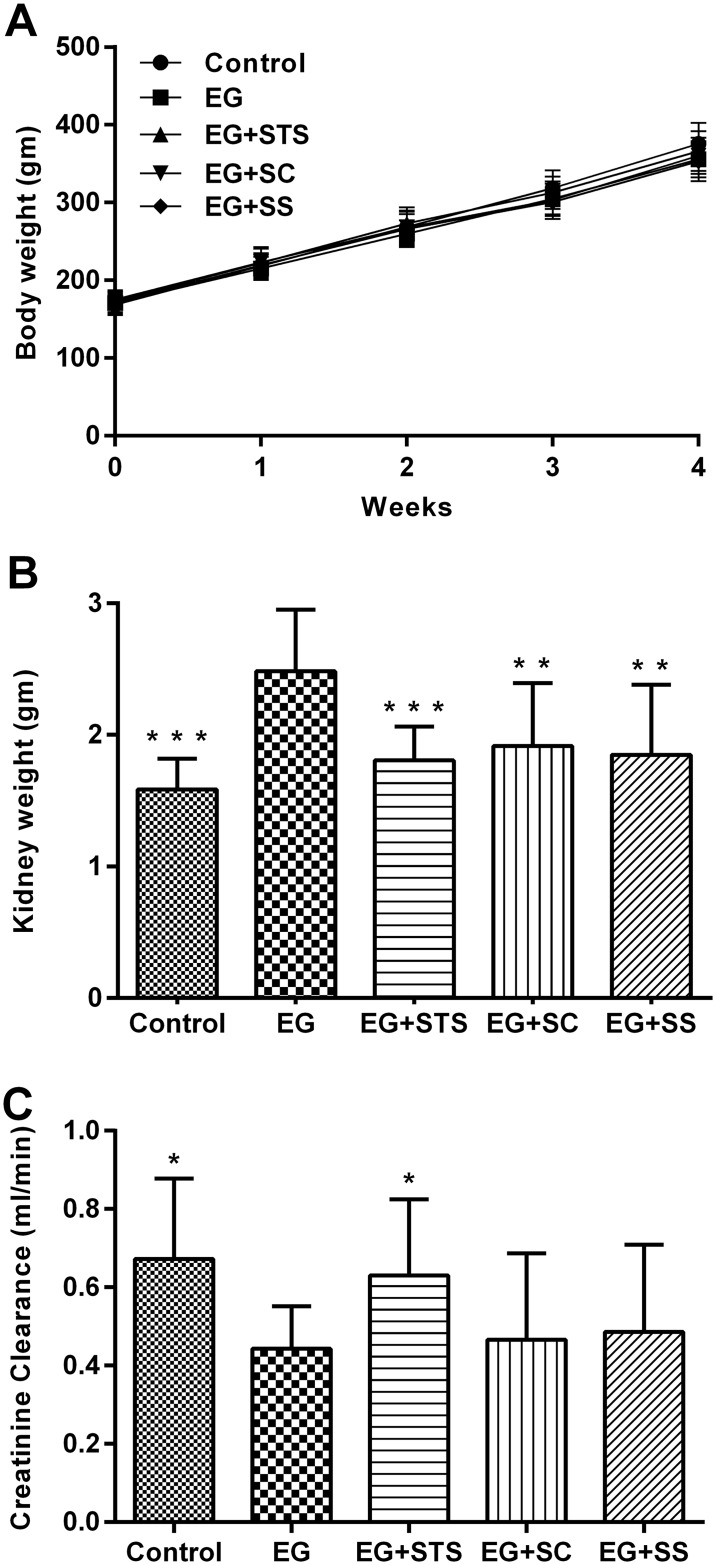
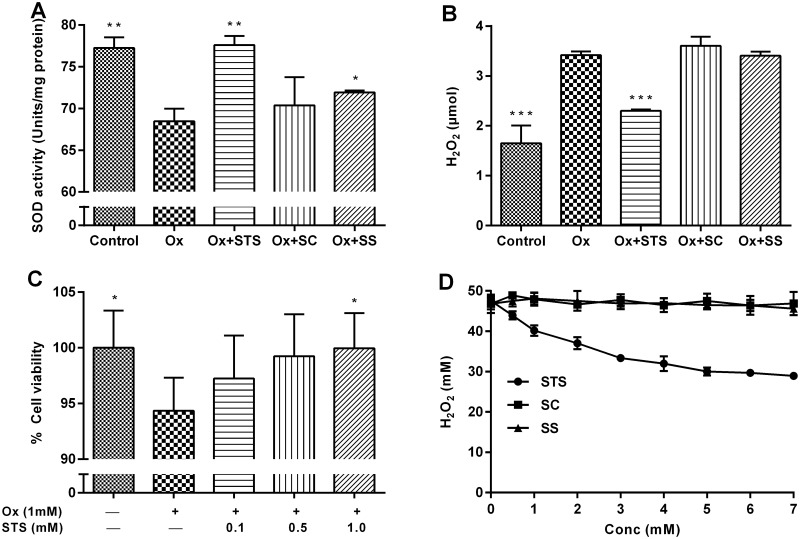
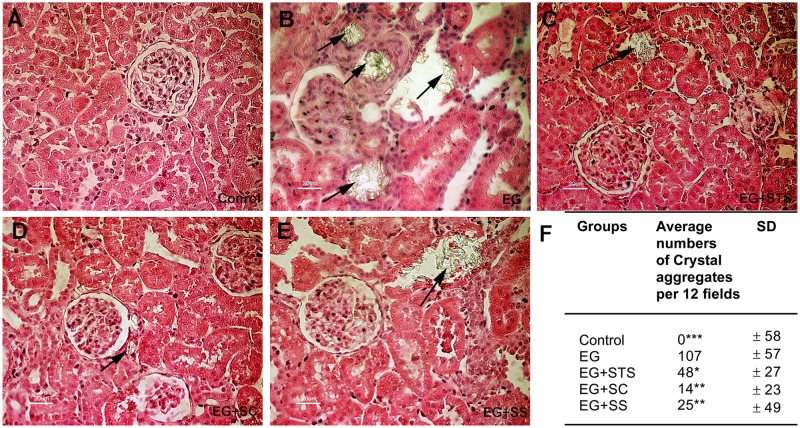
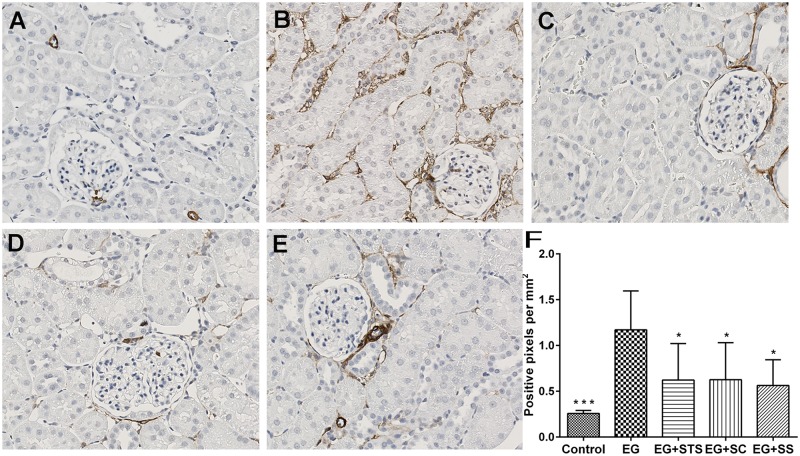
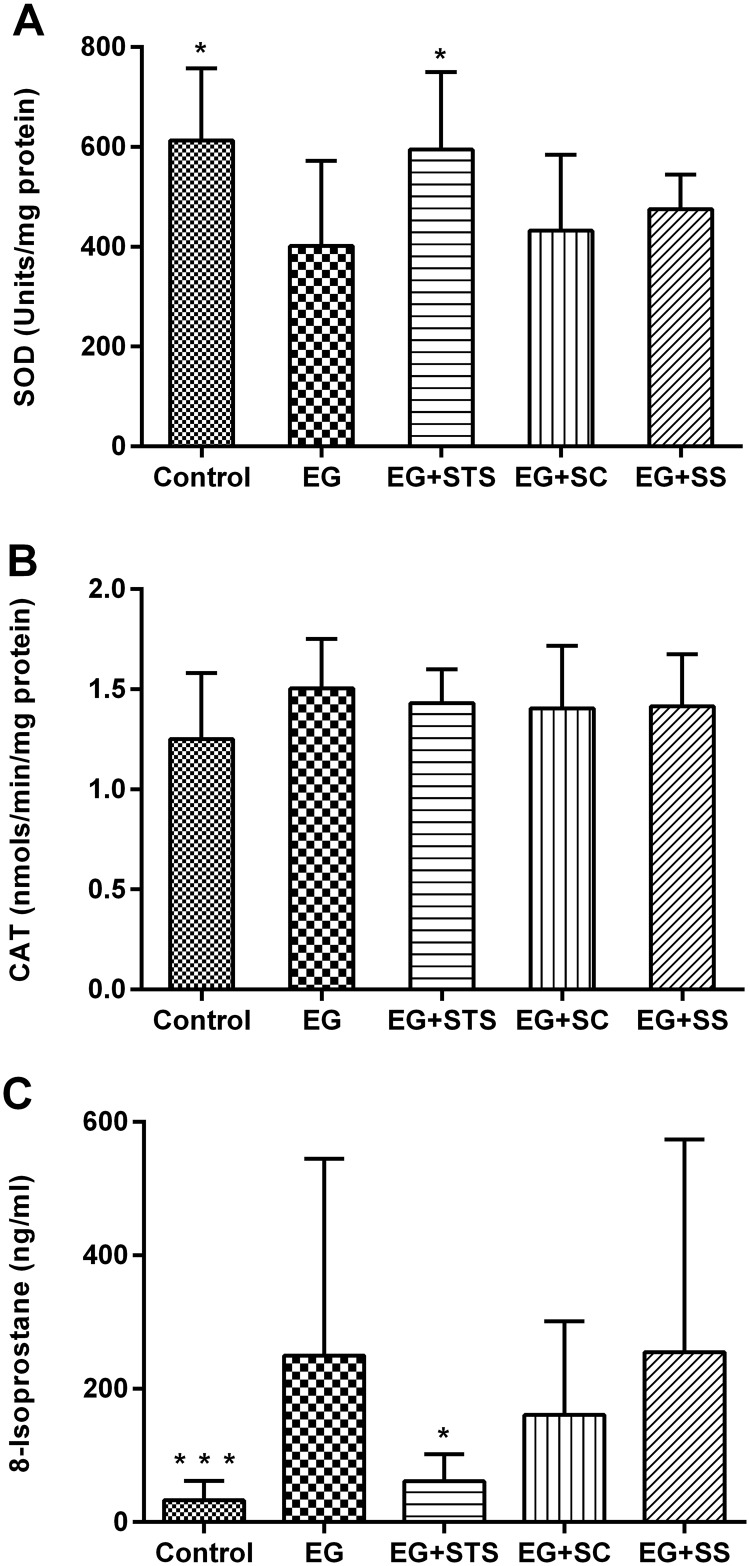
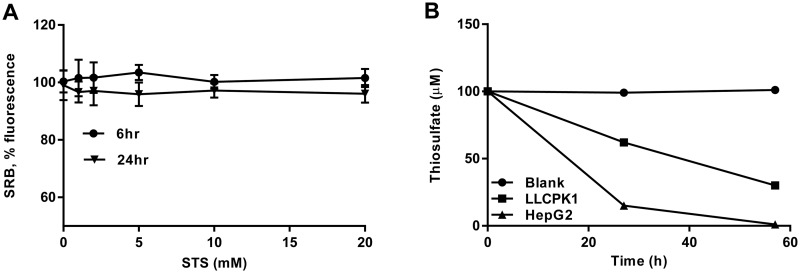
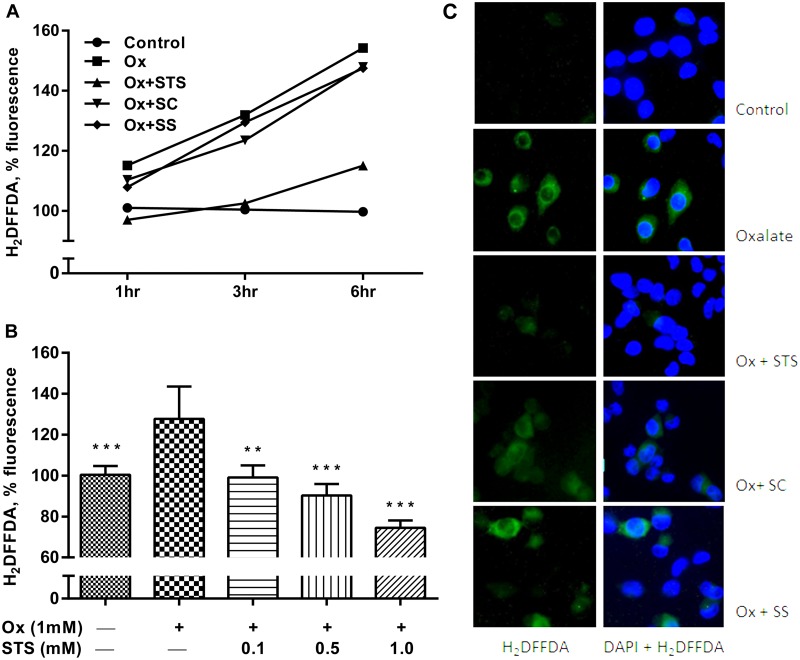
Chronic EG exposure led to hyperoxaluria, oxidative stress, calcium oxalate crystalluria and crystal deposition in the kidneys. Whereas all tested compounds significantly reduced crystal load, only STS-treatment maintained tissue superoxide dismutase activity and urine 8-isoprostaglandin levels in vivo and preserved renal function. In in vitro studies, STS showed the ability to scavenge oxalate-induced ROS accumulation dose dependently, reduced cell-released hydrogen peroxide and preserved superoxide dismutase activity. As a mechanism explaining this finding, STS was able to directly inactivate hydrogen peroxide in cell-free experiments.
STS is an antioxidant, which preserves renal function in a chronic EG rat model. Its therapeutic use in oxidative-stress induced renal-failure should be considered.
高草酸尿症会导致晶体在肾脏中沉积,进而引发氧化应激以及肾上皮细胞的损伤和破坏。硫代硫酸钠(STS,Na2S2O3)是一种抗氧化剂,已在人类医学中使用数十年。STS对高草酸尿症所致肾损伤的作用尚不清楚。
通过在饮用水中慢性给予健康雄性Wistar大鼠乙二醇(EG,0.75%)4周来诱导高草酸尿症和肾损伤。比较了STS、NaCl或Na2SO4的治疗效果。此外,在体外肾LLC-PK1细胞中研究了STS对草酸盐诱导的氧化应激的影响。
慢性EG暴露导致高草酸尿症、氧化应激、草酸钙结晶尿以及肾脏中的晶体沉积。虽然所有测试化合物均显著降低了晶体负荷,但只有STS治疗在体内维持了组织超氧化物歧化酶活性和尿液8-异前列腺素水平,并保留了肾功能。在体外研究中,STS显示出能够剂量依赖性地清除草酸盐诱导的ROS积累,减少细胞释放的过氧化氢并保留超氧化物歧化酶活性。作为解释这一发现的机制,STS在无细胞实验中能够直接使过氧化氢失活。
STS是一种抗氧化剂,在慢性EG大鼠模型中可保留肾功能。应考虑将其用于氧化应激诱导的肾衰竭的治疗。