Hu Yibing, Yan Chang, Mu Lei, Huang Kaiyu, Li Xiaolan, Tao Deding, Wu Yaqun, Qin Jichao
Department of Surgery, Tongji Hospital, Tongji Medical College, Huazhong University of Science and Technology, Wuhan, China; Molecular Medicine Center, Tongji Hospital, Tongji Medical College, Huazhong University of Science and Technology, Wuhan, China.
Molecular Medicine Center, Tongji Hospital, Tongji Medical College, Huazhong University of Science and Technology, Wuhan, China.
PLoS One. 2015 May 4;10(5):e0125625. doi: 10.1371/journal.pone.0125625. eCollection 2015.
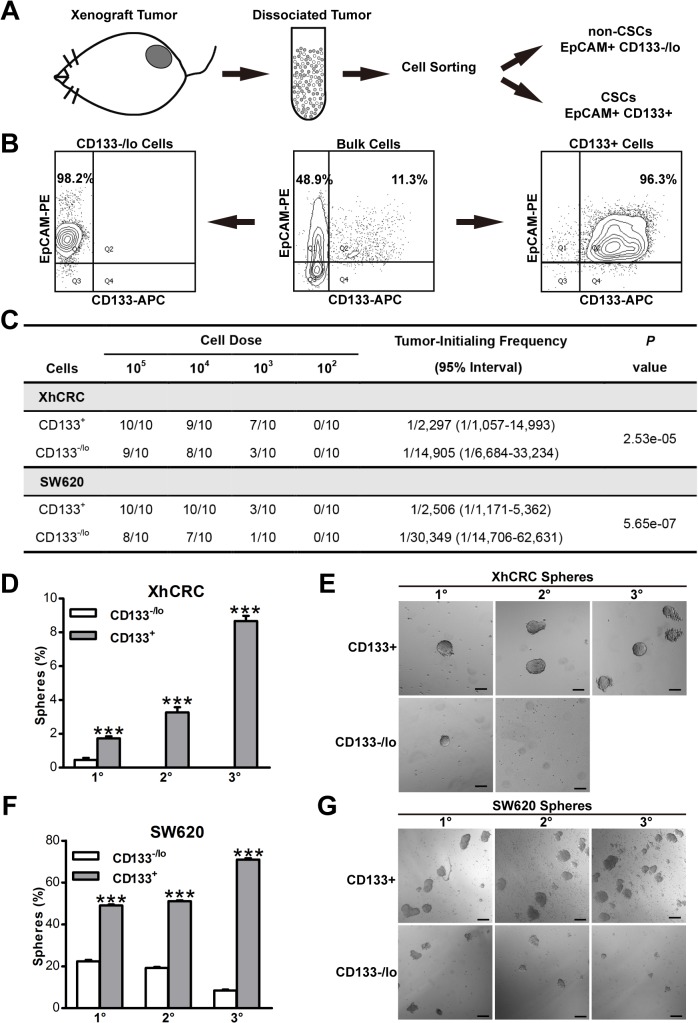
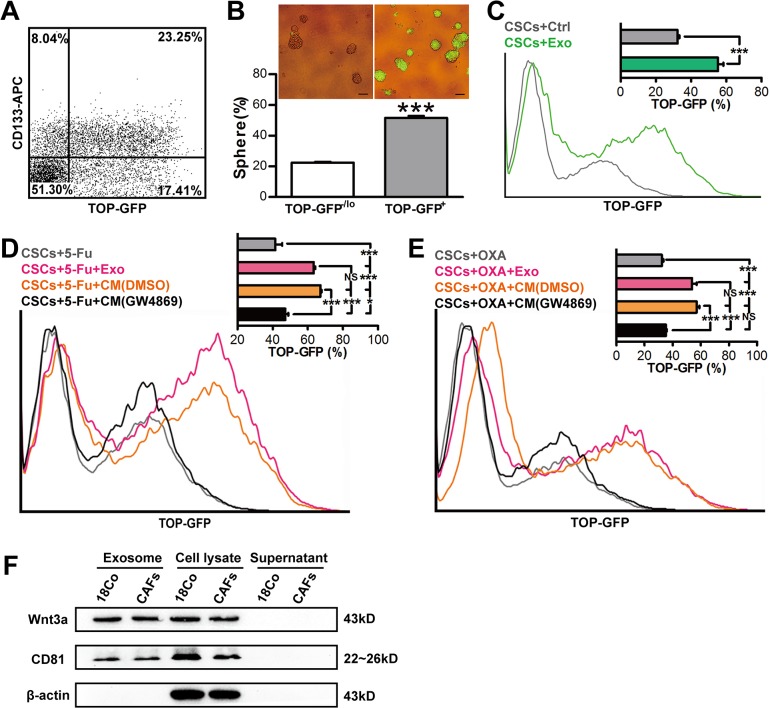
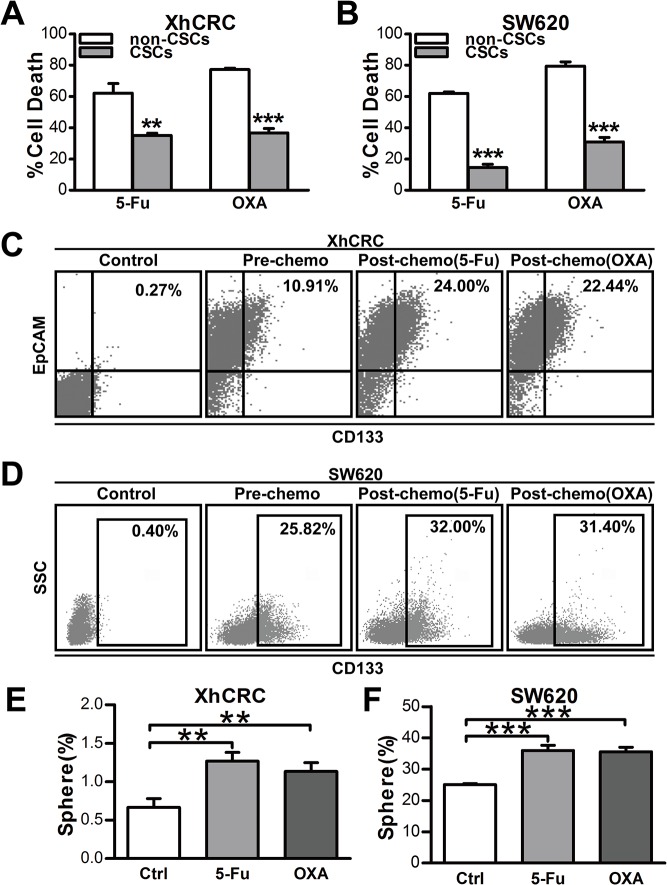
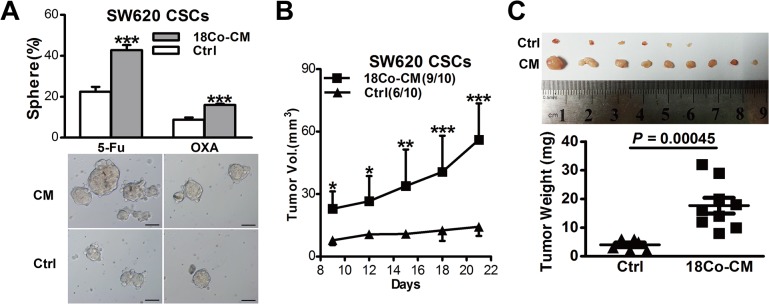
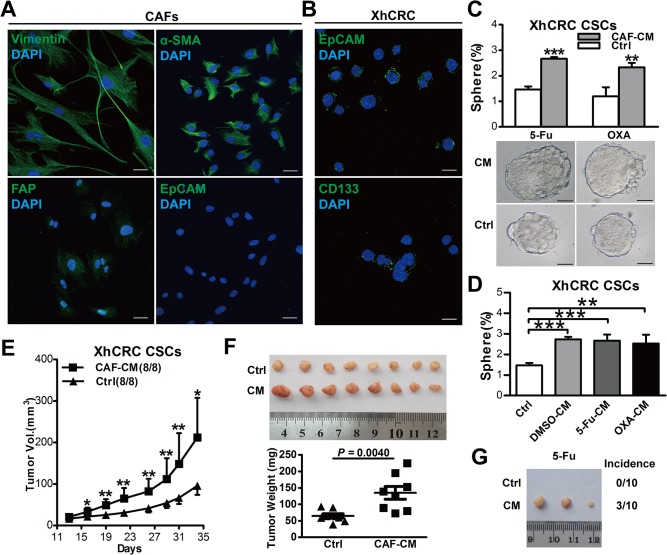
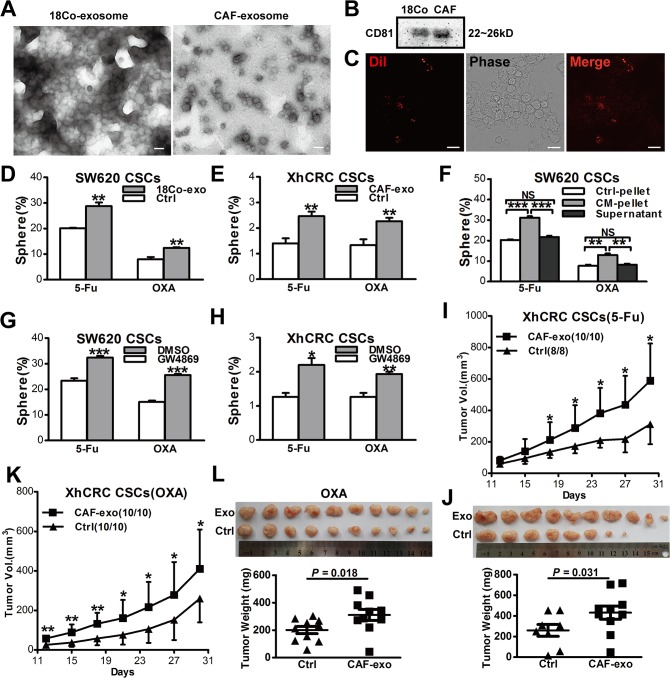
Chemotherapy resistance observed in patients with colorectal cancer (CRC) may be related to the presence of cancer stem cells (CSCs), but the underlying mechanism(s) remain unclear. Carcinoma-associated fibroblasts (CAFs) are intimately involved in tumor recurrence, and targeting them increases chemo-sensitivity. We investigated whether fibroblasts might increase CSCs thus mediating chemotherapy resistance. CSCs were isolated from either patient-derived xenografts or CRC cell lines based on expression of CD133. First, CSCs were found to be inherently resistant to cell death induced by chemotherapy. In addition, fibroblast-derived conditioned medium (CM) promoted percentage, clonogenicity and tumor growth of CSCs (i.e., CD133+ and TOP-GFP+) upon treatment with 5-fluorouracil (5-Fu) or oxaliplatin (OXA). Further investigations exhibited that exosomes, isolated from CM, similarly took the above effects. Inhibition of exosome secretion decreased the percentage, clonogenicity and tumor growth of CSCs. Altogether, our findings suggest that, besides targeting CSCs, new therapeutic strategies blocking CAFs secretion even before chemotherapy shall be developed to gain better clinical benefits in advanced CRCs.
在结直肠癌(CRC)患者中观察到的化疗耐药性可能与癌症干细胞(CSCs)的存在有关,但其潜在机制仍不清楚。癌相关成纤维细胞(CAFs)密切参与肿瘤复发,靶向它们可提高化疗敏感性。我们研究了成纤维细胞是否可能增加CSCs从而介导化疗耐药性。基于CD133的表达,从患者来源的异种移植瘤或CRC细胞系中分离出CSCs。首先,发现CSCs对化疗诱导的细胞死亡具有内在抗性。此外,成纤维细胞来源的条件培养基(CM)在用5-氟尿嘧啶(5-Fu)或奥沙利铂(OXA)处理后,促进了CSCs(即CD133+和TOP-GFP+)的比例、克隆形成能力和肿瘤生长。进一步研究表明,从CM中分离出的外泌体同样具有上述作用。抑制外泌体分泌可降低CSCs的比例、克隆形成能力和肿瘤生长。总之,我们的研究结果表明,除了靶向CSCs外,还应开发在化疗前阻断CAFs分泌的新治疗策略,以在晚期CRC中获得更好的临床效益。