Bible Paul W, Kanno Yuka, Wei Lai, Brooks Stephen R, O'Shea John J, Morasso Maria I, Loganantharaj Rasiah, Sun Hong-Wei
Laboratory of Skin Biology, Intramural Research Program, National Institute of Arthritis and Musculoskeletal and Skin Diseases, Bethesda, Maryland, United States of America.
Molecular Immunology and Inflammation Branch, Intramural Research Program, National Institute of Arthritis and Musculoskeletal and Skin Diseases, Bethesda, Maryland, United States of America.
PLoS One. 2015 May 13;10(5):e0127285. doi: 10.1371/journal.pone.0127285. eCollection 2015.
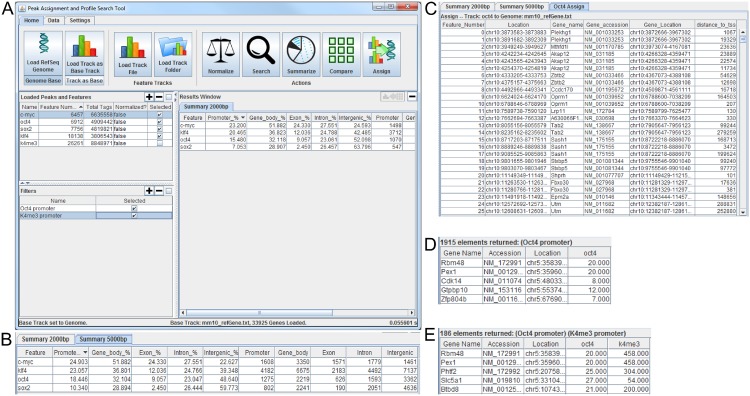
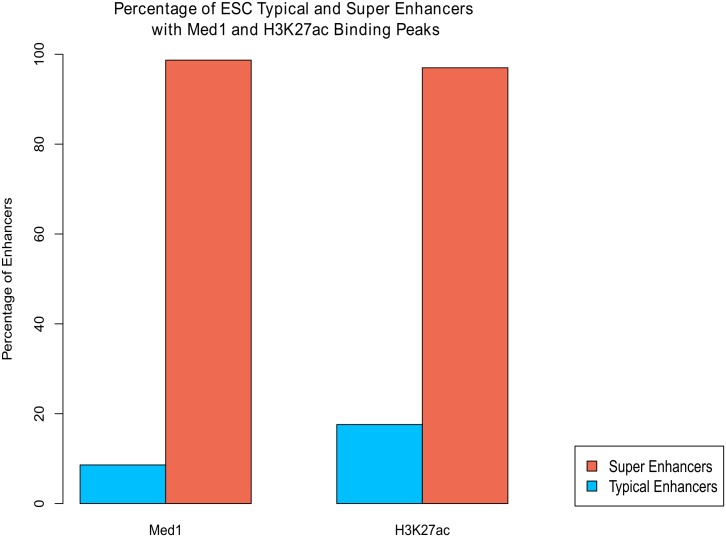
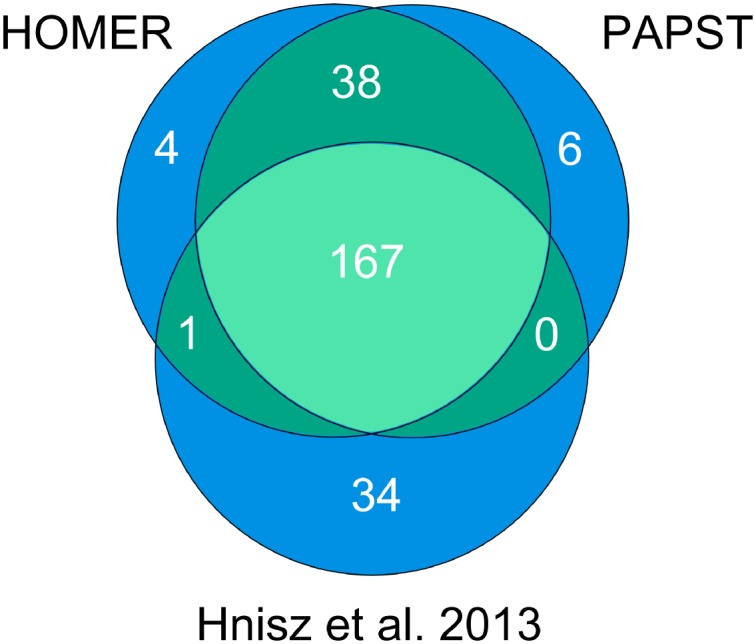
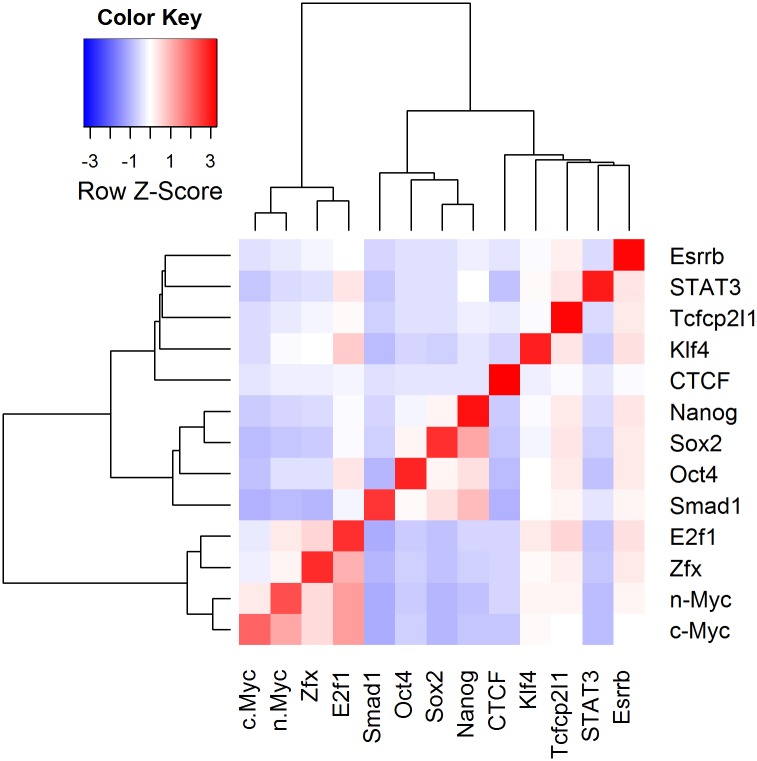
Comparative co-localization analysis of transcription factors (TFs) and epigenetic marks (EMs) in specific biological contexts is one of the most critical areas of ChIP-Seq data analysis beyond peak calling. Yet there is a significant lack of user-friendly and powerful tools geared towards co-localization analysis based exploratory research. Most tools currently used for co-localization analysis are command line only and require extensive installation procedures and Linux expertise. Online tools partially address the usability issues of command line tools, but slow response times and few customization features make them unsuitable for rapid data-driven interactive exploratory research. We have developed PAPST: Peak Assignment and Profile Search Tool, a user-friendly yet powerful platform with a unique design, which integrates both gene-centric and peak-centric co-localization analysis into a single package. Most of PAPST's functions can be completed in less than five seconds, allowing quick cycles of data-driven hypothesis generation and testing. With PAPST, a researcher with or without computational expertise can perform sophisticated co-localization pattern analysis of multiple TFs and EMs, either against all known genes or a set of genomic regions obtained from public repositories or prior analysis. PAPST is a versatile, efficient, and customizable tool for genome-wide data-driven exploratory research. Creatively used, PAPST can be quickly applied to any genomic data analysis that involves a comparison of two or more sets of genomic coordinate intervals, making it a powerful tool for a wide range of exploratory genomic research. We first present PAPST's general purpose features then apply it to several public ChIP-Seq data sets to demonstrate its rapid execution and potential for cutting-edge research with a case study in enhancer analysis. To our knowledge, PAPST is the first software of its kind to provide efficient and sophisticated post peak-calling ChIP-Seq data analysis as an easy-to-use interactive application. PAPST is available at https://github.com/paulbible/papst and is a public domain work.
在特定生物学背景下对转录因子(TFs)和表观遗传标记(EMs)进行比较共定位分析,是ChIP-Seq数据分析中除峰检测之外最关键的领域之一。然而,目前严重缺乏面向基于共定位分析的探索性研究的用户友好且功能强大的工具。当前用于共定位分析的大多数工具都是仅支持命令行的,需要广泛的安装过程和Linux专业知识。在线工具部分解决了命令行工具的可用性问题,但响应时间慢且定制功能少,使其不适用于快速的数据驱动交互式探索性研究。我们开发了PAPST:峰分配和图谱搜索工具,这是一个用户友好且功能强大的平台,具有独特的设计,它将以基因为中心和以峰为中心的共定位分析集成到一个软件包中。PAPST的大多数功能可以在不到五秒的时间内完成,从而实现数据驱动的假设生成和测试的快速循环。使用PAPST,无论有无计算专业知识的研究人员都可以对多个TFs和EMs进行复杂的共定位模式分析,既可以针对所有已知基因,也可以针对从公共数据库或先前分析中获得的一组基因组区域。PAPST是一个用于全基因组数据驱动探索性研究的通用、高效且可定制的工具。创造性地使用时,PAPST可以快速应用于任何涉及两组或多组基因组坐标区间比较的基因组数据分析,使其成为广泛的探索性基因组研究的强大工具。我们首先介绍PAPST的通用功能,然后将其应用于几个公共ChIP-Seq数据集,通过增强子分析的案例研究来展示其快速执行能力和前沿研究潜力。据我们所知,PAPST是同类软件中第一个以易于使用的交互式应用程序形式提供高效且复杂的峰检测后ChIP-Seq数据分析的软件。PAPST可在https://github.com/paulbible/papst上获取,并且是公共领域的作品。