Marxen Sandra, Stark Timo D, Rütschle Andrea, Lücking Genia, Frenzel Elrike, Scherer Siegfried, Ehling-Schulz Monika, Hofmann Thomas
Chair of Food Chemistry and Molecular Sensory Science, Technische Universität München, Lise-Meitner-Straße 34, Freising, 85354, Germany.
Department of Microbiology, Central Institute for Food and Nutrition Research, Technische Universität München, Freising, 85350.
Sci Rep. 2015 May 27;5:10637. doi: 10.1038/srep10637.
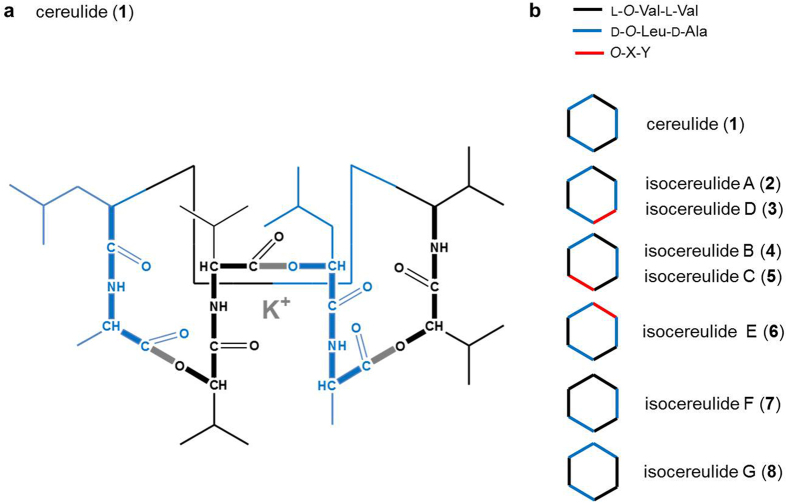
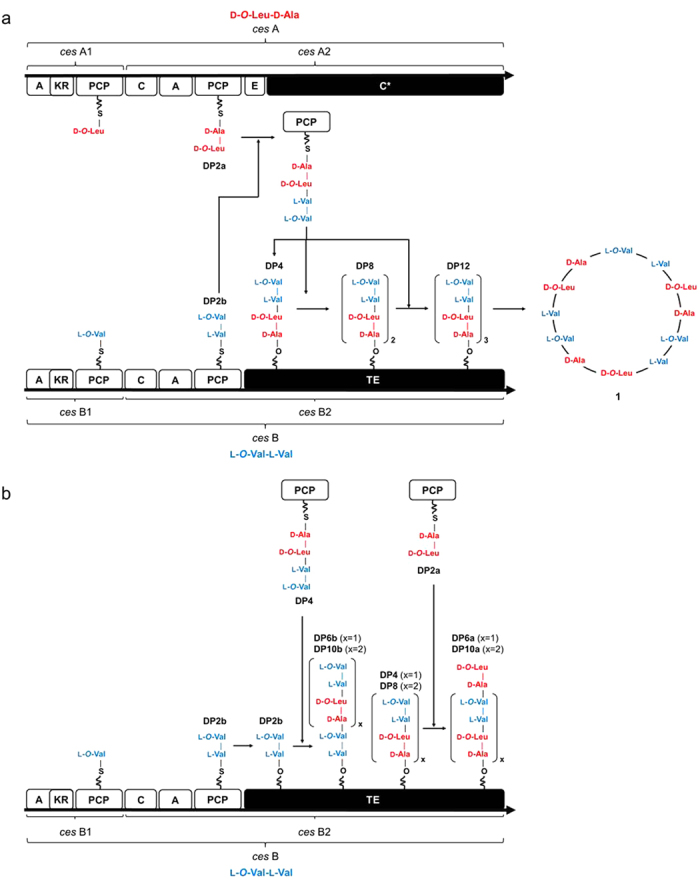
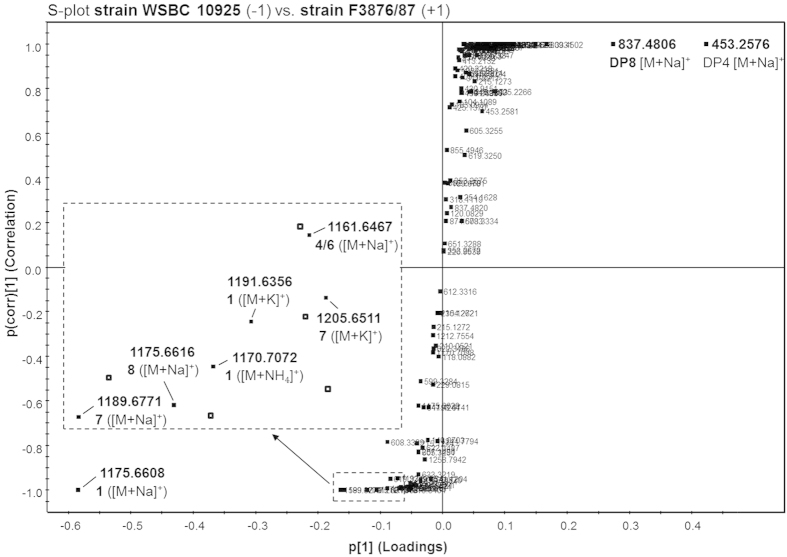
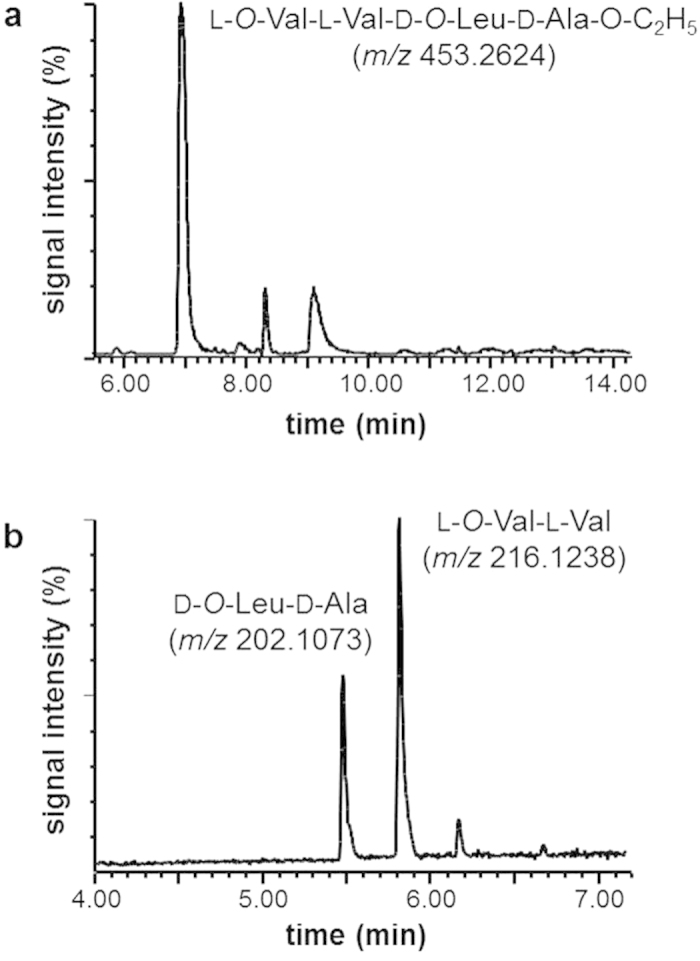
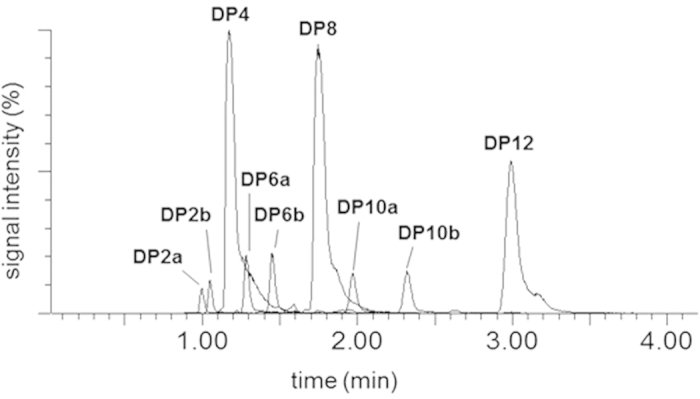
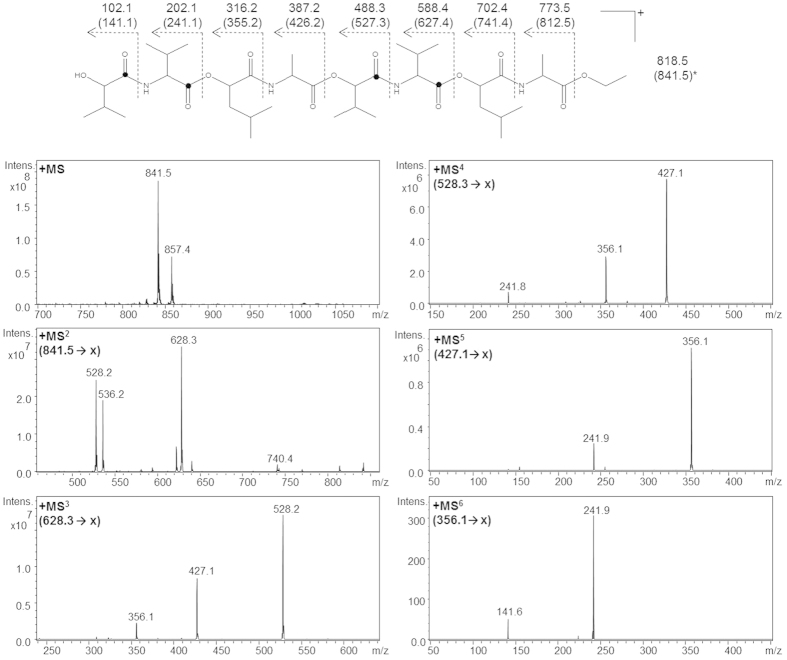
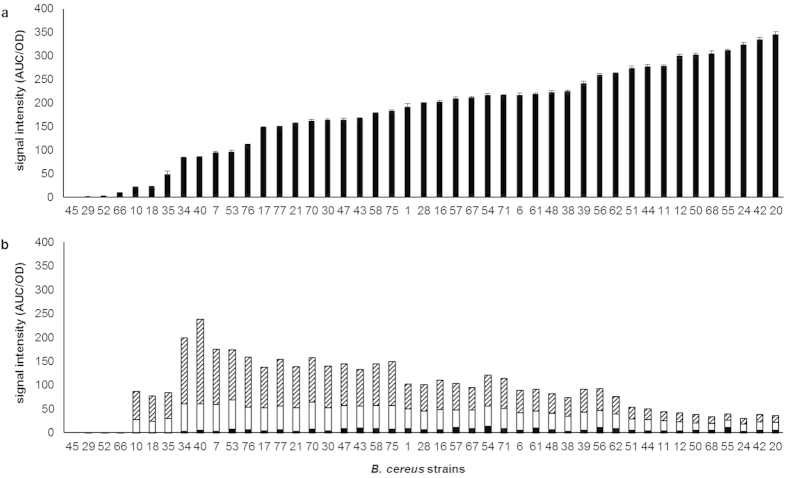
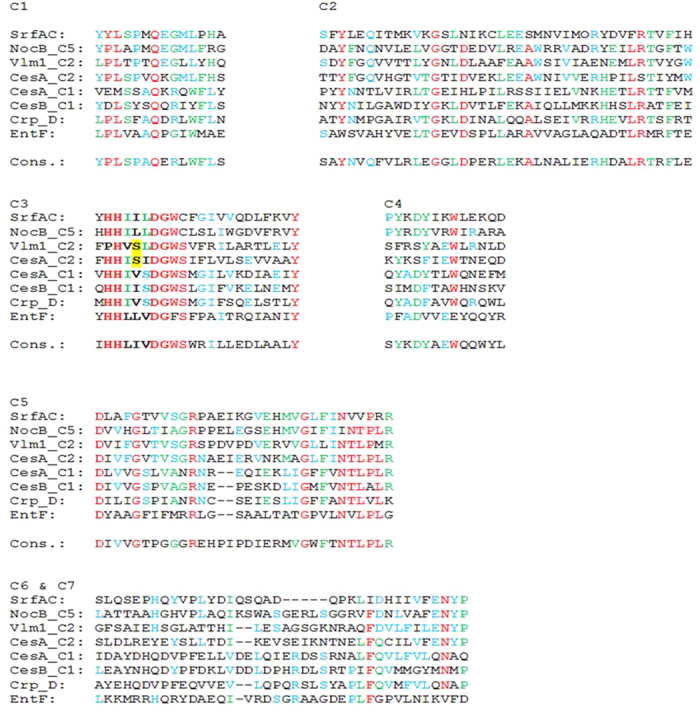
Cereulide and isocereulides A-G are biosynthesized as emetic toxins by Bacillus cereus via a non-ribosomal peptide synthetase (NRPS) called Ces. Although a thiotemplate mechanisms involving cyclo-trimerization of ready-made D-O-Leu-D-Ala-L-O-Val-L-Val via a thioesterase (TE) domain is proposed for cereulide biosynthesis, the exact mechanism is far from being understood. UPLC-TOF MS analysis of B. cereus strains in combination with (13)C-labeling experiments now revealed tetra-, octa-, and dodecapeptides of a different sequence, namely (L-O-Val-L-Val-D-O-Leu-D-Ala)1-3, as intermediates of cereulide biosynthesis. Surprisingly, also di-, hexa-, and decadepsipeptides were identified which, together with the structures of the previously reported isocereulides E, F, and G, do not correlate to the currently proposed mechanism for cereulide biosynthesis and violate the canonical NRPS biosynthetic logic. UPLC-TOF MS metabolite analysis and bioinformatic gene cluster analysis highlighted dipeptides rather than single amino or hydroxy acids as the basic modules in tetradepsipeptide assembly and proposed the CesA C-terminal C* domain and the CesB C-terminal TE domain to function as a cooperative esterification and depsipeptide elongation center repeatedly recruiting the action of the C* domain to oligomerize tetradepsipeptides prior to the release of cereulide from the TE domain by macrocyclization.
蜡样芽孢杆菌通过一种名为Ces的非核糖体肽合成酶(NRPS)将cereulide和异cereulide A-G生物合成催吐毒素。尽管有人提出cereulide生物合成涉及通过硫酯酶(TE)结构域使现成的D-O-亮氨酸-D-丙氨酸-L-O-缬氨酸-L-缬氨酸进行环三聚化的硫模板机制,但确切机制仍远未明了。对蜡样芽孢杆菌菌株进行超高效液相色谱-飞行时间质谱(UPLC-TOF MS)分析并结合(13)C标记实验,现已揭示出不同序列的四肽、八肽和十二肽,即(L-O-缬氨酸-L-缬氨酸-D-O-亮氨酸-D-丙氨酸)1-3,作为cereulide生物合成的中间体。令人惊讶的是,还鉴定出了二肽、六肽和十肽缩酚酸肽,它们与先前报道的异cereulide E、F和G的结构一起,与目前提出的cereulide生物合成机制不相关,并且违背了典型的NRPS生物合成逻辑。UPLC-TOF MS代谢物分析和生物信息学基因簇分析强调二肽而非单个氨基酸或羟基酸是四肽缩酚酸肽组装中的基本模块,并提出CesA的C末端C结构域和CesB的C末端TE结构域作为协同酯化和肽缩酚酸肽延伸中心,在通过大环化从TE结构域释放cereulide之前,反复募集C结构域的作用以使四肽缩酚酸肽寡聚化。