Gittelman Rachel M, Hun Enna, Ay Ferhat, Madeoy Jennifer, Pennacchio Len, Noble William S, Hawkins R David, Akey Joshua M
Department of Genome Sciences, University of Washington, Seattle, Washington 98195, USA;
Division of Medical Genetics, University of Washington, Seattle, Washington 98195, USA;
Genome Res. 2015 Sep;25(9):1245-55. doi: 10.1101/gr.192591.115. Epub 2015 Jun 23.
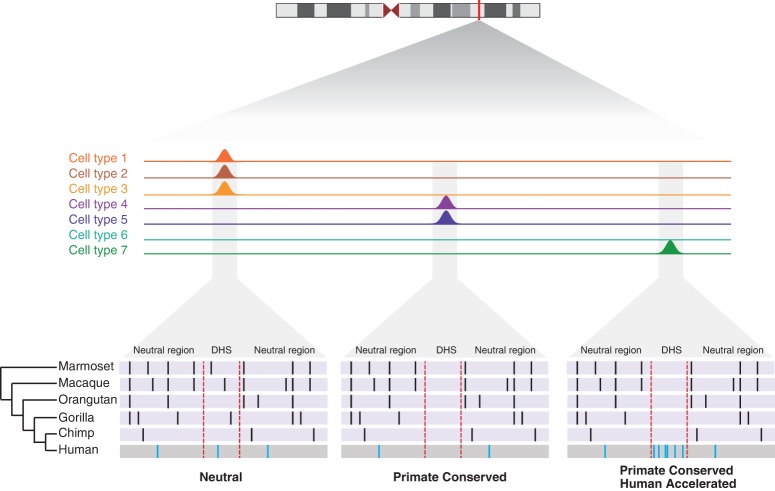
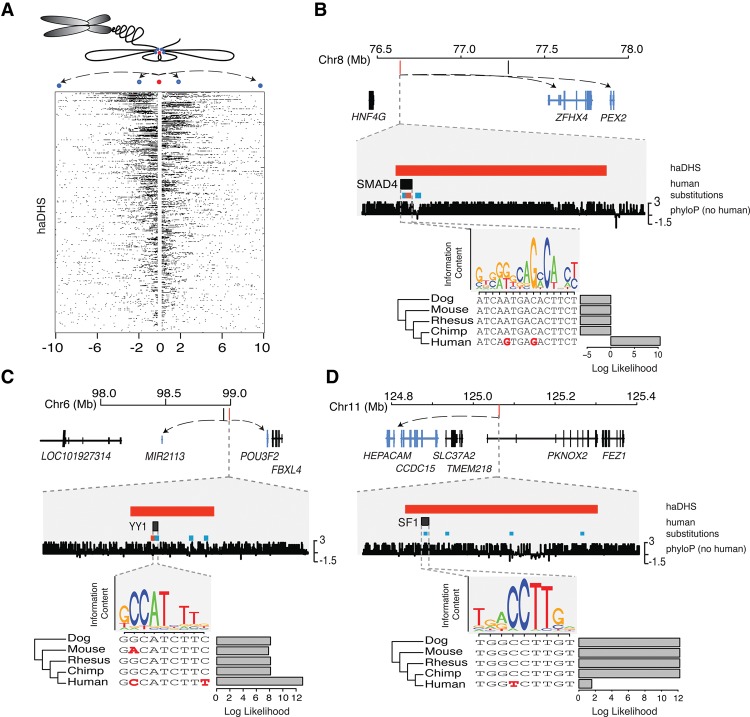
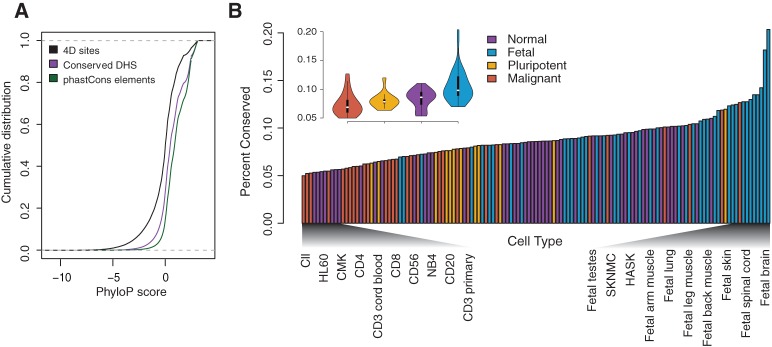
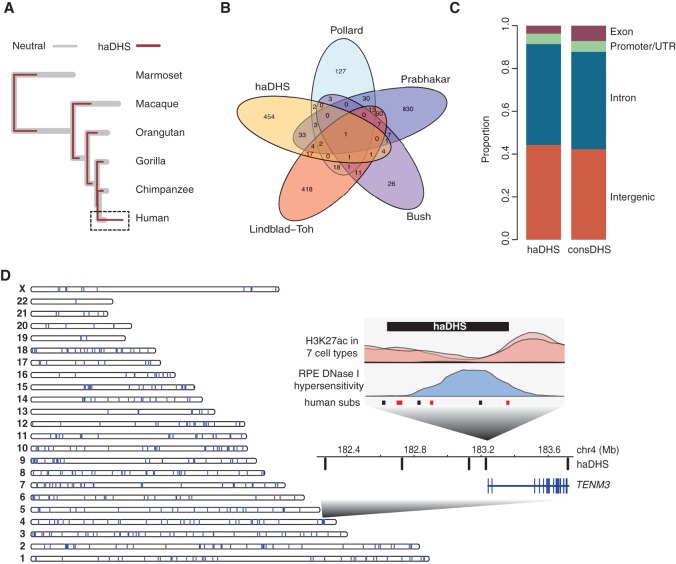
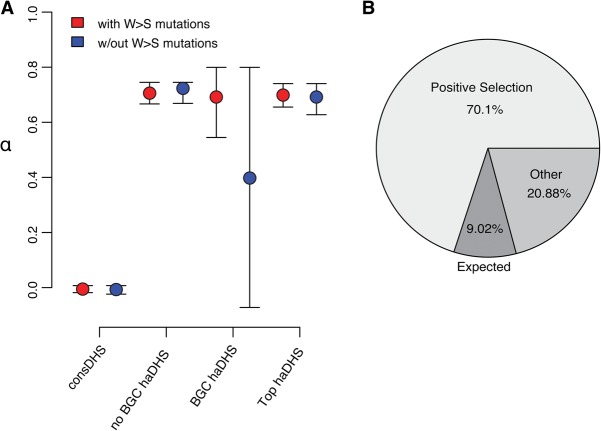
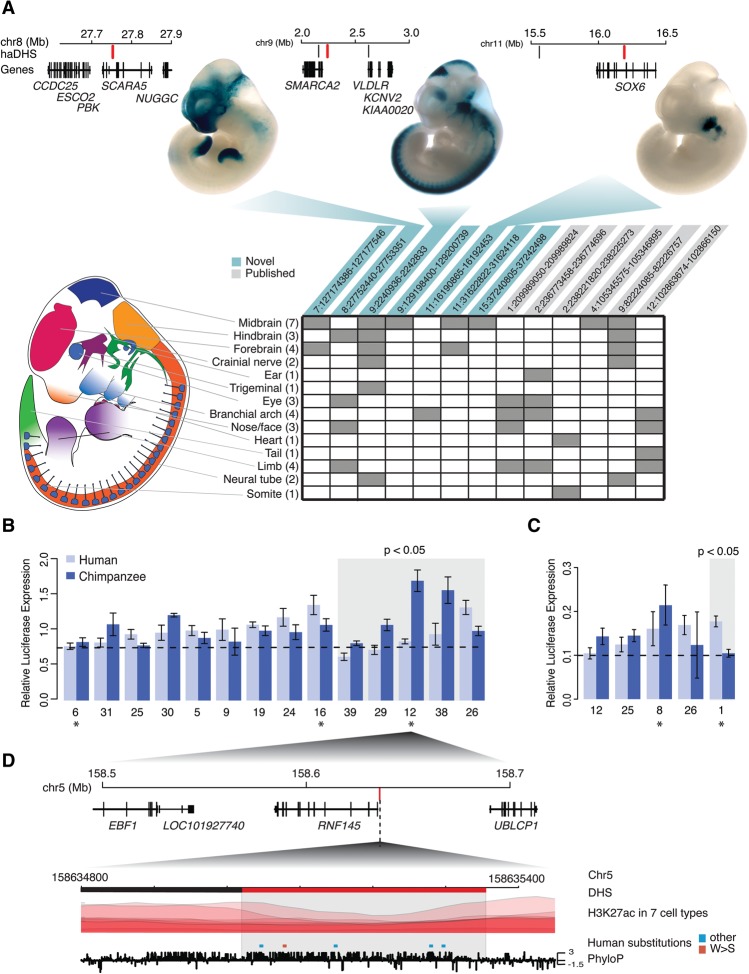
It has long been hypothesized that changes in gene regulation have played an important role in human evolution, but regulatory DNA has been much more difficult to study compared with protein-coding regions. Recent large-scale studies have created genome-scale catalogs of DNase I hypersensitive sites (DHSs), which demark potentially functional regulatory DNA. To better define regulatory DNA that has been subject to human-specific adaptive evolution, we performed comprehensive evolutionary and population genetics analyses on over 18 million DHSs discovered in 130 cell types. We identified 524 DHSs that are conserved in nonhuman primates but accelerated in the human lineage (haDHS), and estimate that 70% of substitutions in haDHSs are attributable to positive selection. Through extensive computational and experimental analyses, we demonstrate that haDHSs are often active in brain or neuronal cell types; play an important role in regulating the expression of developmentally important genes, including many transcription factors such as SOX6, POU3F2, and HOX genes; and identify striking examples of adaptive regulatory evolution that may have contributed to human-specific phenotypes. More generally, our results reveal new insights into conserved and adaptive regulatory DNA in humans and refine the set of genomic substrates that distinguish humans from their closest living primate relatives.
长期以来,人们一直假设基因调控的变化在人类进化中发挥了重要作用,但与蛋白质编码区域相比,调控DNA的研究要困难得多。最近的大规模研究创建了全基因组规模的DNase I超敏位点(DHSs)目录,这些位点标记了潜在的功能性调控DNA。为了更好地定义经历了人类特异性适应性进化的调控DNA,我们对在130种细胞类型中发现的超过1800万个DHSs进行了全面的进化和群体遗传学分析。我们鉴定出524个在非人类灵长类动物中保守但在人类谱系中加速进化的DHSs(haDHSs),并估计haDHSs中70%的替换归因于正选择。通过广泛的计算和实验分析,我们证明haDHSs通常在大脑或神经元细胞类型中活跃;在调控发育重要基因的表达中起重要作用,包括许多转录因子,如SOX6、POU3F2和HOX基因;并识别出可能导致人类特异性表型的适应性调控进化的显著例子。更普遍地说,我们的结果揭示了对人类中保守和适应性调控DNA的新见解,并完善了区分人类与其最亲近的现存灵长类亲属的基因组底物集。