Su Xiaodi, Yu Yingpu, Zhong Yi, Giannopoulou Eugenia G, Hu Xiaoyu, Liu Hui, Cross Justin R, Rätsch Gunnar, Rice Charles M, Ivashkiv Lionel B
Graduate Program in Immunology and Microbial Pathogenesis, Weill Cornell Graduate School of Medical Sciences, New York, NY 10021.
Arthritis and Tissue Degeneration Program and the David Z. Rosensweig Genomics Research Center, Hospital for Special Surgery, New York, NY 10021.
Nat Immunol. 2015 Aug;16(8):838-849. doi: 10.1038/ni.3205. Epub 2015 Jun 29.
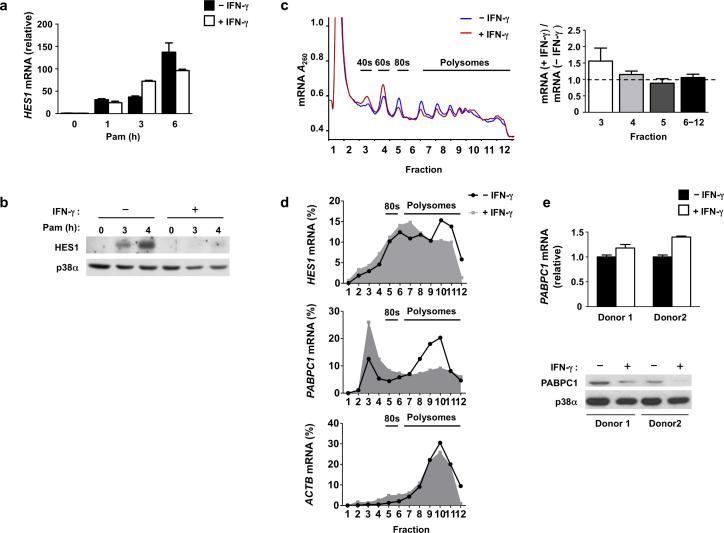
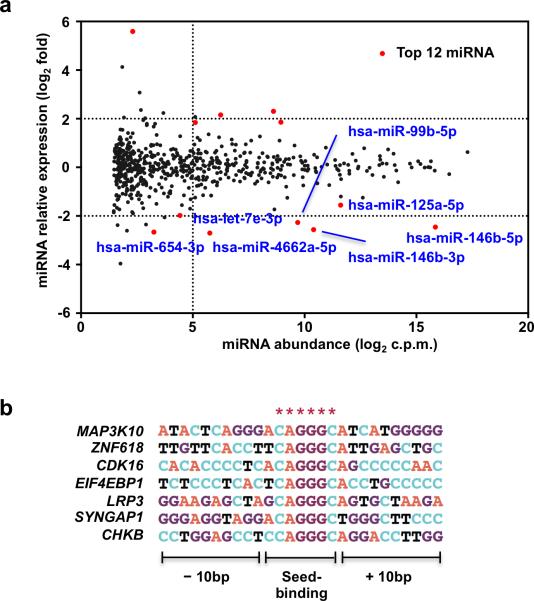
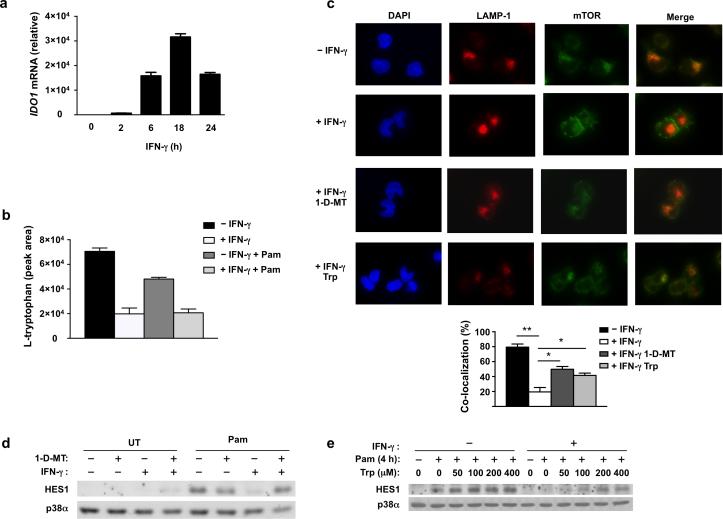
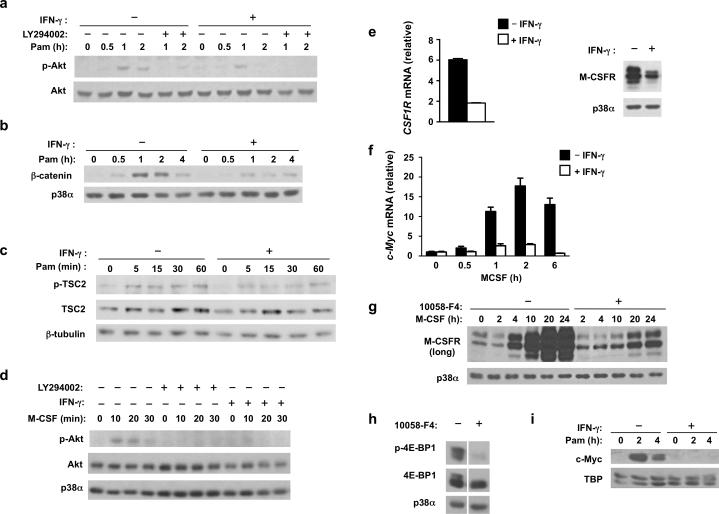
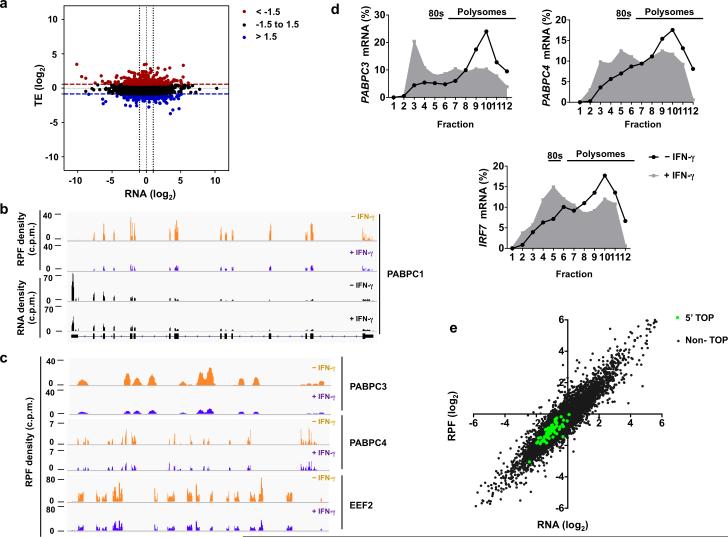
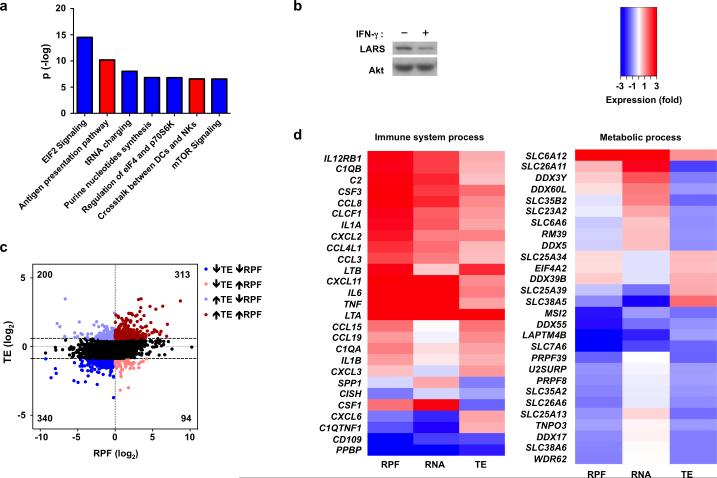
Interferon-γ (IFN-γ) primes macrophages for enhanced microbial killing and inflammatory activation by Toll-like receptors (TLRs), but little is known about the regulation of cell metabolism or mRNA translation during this priming. We found that IFN-γ regulated the metabolism and mRNA translation of human macrophages by targeting the kinases mTORC1 and MNK, both of which converge on the selective regulator of translation initiation eIF4E. Physiological downregulation of mTORC1 by IFN-γ was associated with autophagy and translational suppression of repressors of inflammation such as HES1. Genome-wide ribosome profiling in TLR2-stimulated macrophages showed that IFN-γ selectively modulated the macrophage translatome to promote inflammation, further reprogram metabolic pathways and modulate protein synthesis. These results show that IFN-γ-mediated metabolic reprogramming and translational regulation are key components of classical inflammatory macrophage activation.
γ干扰素(IFN-γ)使巨噬细胞致敏,以增强其通过Toll样受体(TLR)进行的微生物杀伤和炎症激活,但在此致敏过程中,关于细胞代谢或mRNA翻译的调控却知之甚少。我们发现,IFN-γ通过靶向激酶mTORC1和MNK来调节人类巨噬细胞的代谢和mRNA翻译,这两种激酶均作用于翻译起始的选择性调节因子eIF4E。IFN-γ对mTORC1的生理性下调与自噬以及炎症抑制因子(如HES1)的翻译抑制有关。在TLR2刺激的巨噬细胞中进行的全基因组核糖体分析表明,IFN-γ选择性地调节巨噬细胞翻译组以促进炎症,进一步重新编程代谢途径并调节蛋白质合成。这些结果表明,IFN-γ介导的代谢重编程和翻译调控是经典炎症巨噬细胞激活的关键组成部分。