Rose C, Parker A, Jefferson B, Cartmell E
Cranfield Water Science Institute, Cranfield University , Cranfield , Bedfordshire , United Kingdom.
Crit Rev Environ Sci Technol. 2015 Sep 2;45(17):1827-1879. doi: 10.1080/10643389.2014.1000761.
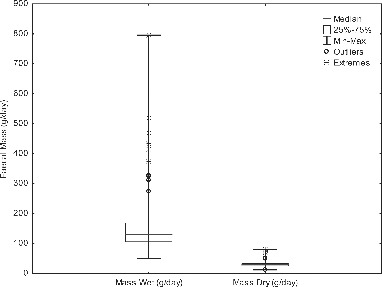
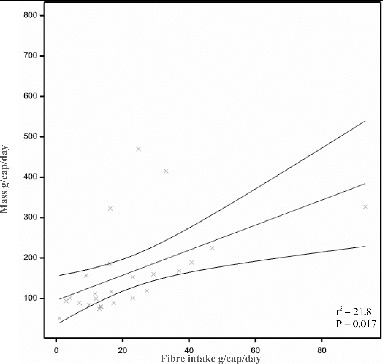
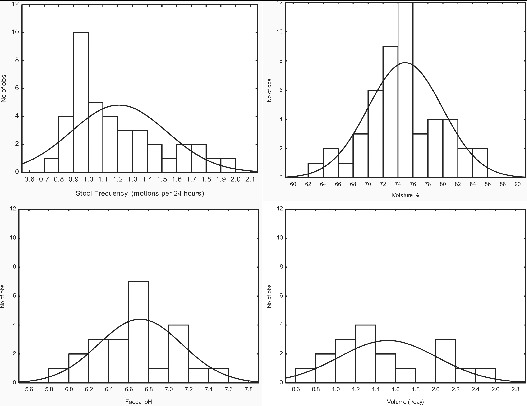
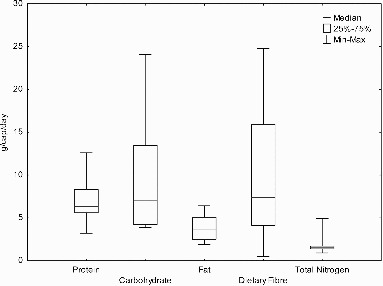
The safe disposal of human excreta is of paramount importance for the health and welfare of populations living in low income countries as well as the prevention of pollution to the surrounding environment. On-site sanitation (OSS) systems are the most numerous means of treating excreta in low income countries, these facilities aim at treating human waste at source and can provide a hygienic and affordable method of waste disposal. However, current OSS systems need improvement and require further research and development. Development of OSS facilities that treat excreta at, or close to, its source require knowledge of the waste stream entering the system. Data regarding the generation rate and the chemical and physical composition of fresh feces and urine was collected from the medical literature as well as the treatability sector. The data were summarized and statistical analysis was used to quantify the major factors that were a significant cause of variability. The impact of this data on biological processes, thermal processes, physical separators, and chemical processes was then assessed. Results showed that the median fecal wet mass production was 128 g/cap/day, with a median dry mass of 29 g/cap/day. Fecal output in healthy individuals was 1.20 defecations per 24 hr period and the main factor affecting fecal mass was the fiber intake of the population. Fecal wet mass values were increased by a factor of 2 in low income countries (high fiber intakes) in comparison to values found in high income countries (low fiber intakes). Feces had a median pH of 6.64 and were composed of 74.6% water. Bacterial biomass is the major component (25-54% of dry solids) of the organic fraction of the feces. Undigested carbohydrate, fiber, protein, and fat comprise the remainder and the amounts depend on diet and diarrhea prevalence in the population. The inorganic component of the feces is primarily undigested dietary elements that also depend on dietary supply. Median urine generation rates were 1.42 L/cap/day with a dry solids content of 59 g/cap/day. Variation in the volume and composition of urine is caused by differences in physical exertion, environmental conditions, as well as water, salt, and high protein intakes. Urine has a pH 6.2 and contains the largest fractions of nitrogen, phosphorus, and potassium released from the body. The urinary excretion of nitrogen was significant (10.98 g/cap/day) with urea the most predominant constituent making up over 50% of total organic solids. The dietary intake of food and fluid is the major cause of variation in both the fecal and urine composition and these variables should always be considered if the generation rate, physical, and chemical composition of feces and urine is to be accurately predicted.
安全处理人类排泄物对于低收入国家居民的健康和福祉以及防止对周边环境的污染至关重要。现场卫生设施(OSS)系统是低收入国家处理排泄物最常见的方式,这些设施旨在从源头处理人类粪便,并能提供一种卫生且经济实惠的废物处理方法。然而,当前的OSS系统需要改进,还需要进一步的研究和开发。开发在源头或接近源头处理排泄物的OSS设施需要了解进入系统的废物流。从医学文献以及可处理性领域收集了关于新鲜粪便和尿液的产生率以及化学和物理成分的数据。对这些数据进行了总结,并使用统计分析来量化导致变异性的主要因素。然后评估了这些数据对生物过程、热过程、物理分离器和化学过程的影响。结果表明,粪便湿质量产生的中位数为128克/人/天,干质量中位数为29克/人/天。健康个体的粪便排出量为每24小时1.20次排便,影响粪便质量的主要因素是人群的纤维摄入量。与高收入国家(低纤维摄入量)相比,低收入国家(高纤维摄入量)的粪便湿质量值增加了2倍。粪便的pH中位数为6.64,含水量为74.6%。细菌生物质是粪便有机部分的主要成分(占干固体的25 - 54%)。未消化的碳水化合物、纤维、蛋白质和脂肪构成其余部分,其含量取决于人群的饮食和腹泻患病率。粪便的无机成分主要是未消化的饮食元素,这也取决于饮食供应。尿液产生率的中位数为1.42升/人/天,干固体含量为59克/人/天。尿液体积和成分的变化是由体力活动、环境条件以及水、盐和高蛋白摄入量的差异引起的。尿液的pH值为6.2,含有从体内释放的最大比例的氮、磷和钾。氮的尿排泄量很大(10.98克/人/天),尿素是最主要的成分,占总有机固体的50%以上。食物和液体的饮食摄入量是粪便和尿液成分变化的主要原因,如果要准确预测粪便和尿液的产生率、物理和化学组成,这些变量应始终予以考虑。