Kutta Roger J, Hardman Samantha J O, Johannissen Linus O, Bellina Bruno, Messiha Hanan L, Ortiz-Guerrero Juan Manuel, Elías-Arnanz Montserrat, Padmanabhan S, Barran Perdita, Scrutton Nigel S, Jones Alex R
School of Chemistry, The University of Manchester, Oxford Road, Manchester M13 9PL, UK.
Photon Science Institute, The University of Manchester, Alan Turing Building, Oxford Road, Manchester M13 9PL, UK.
Nat Commun. 2015 Aug 12;6:7907. doi: 10.1038/ncomms8907.
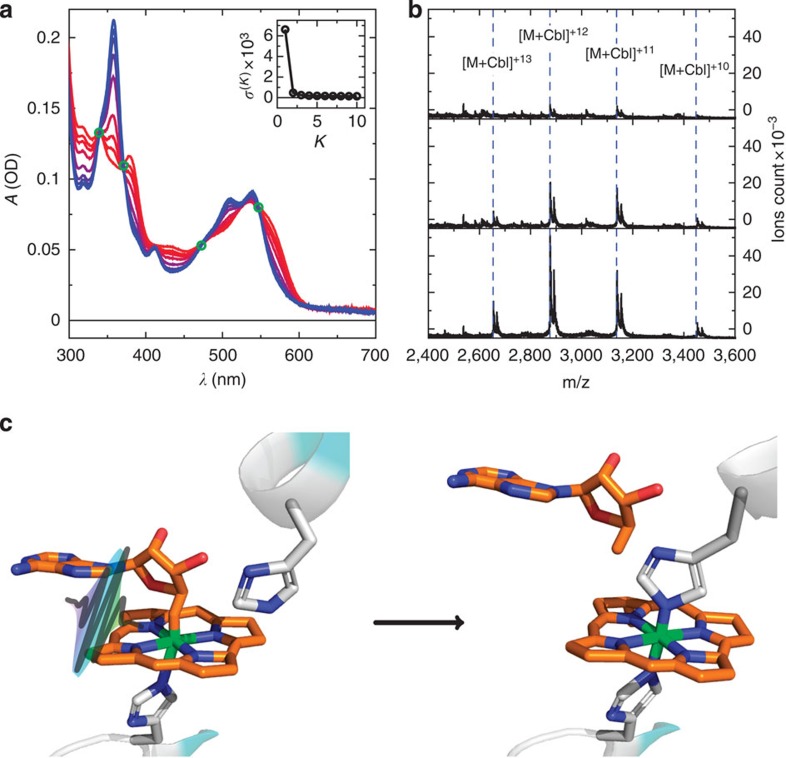
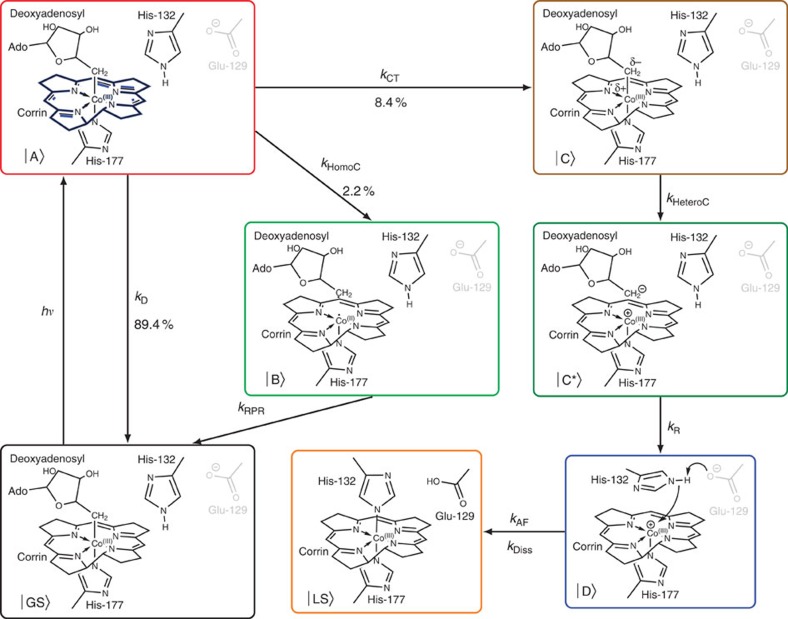
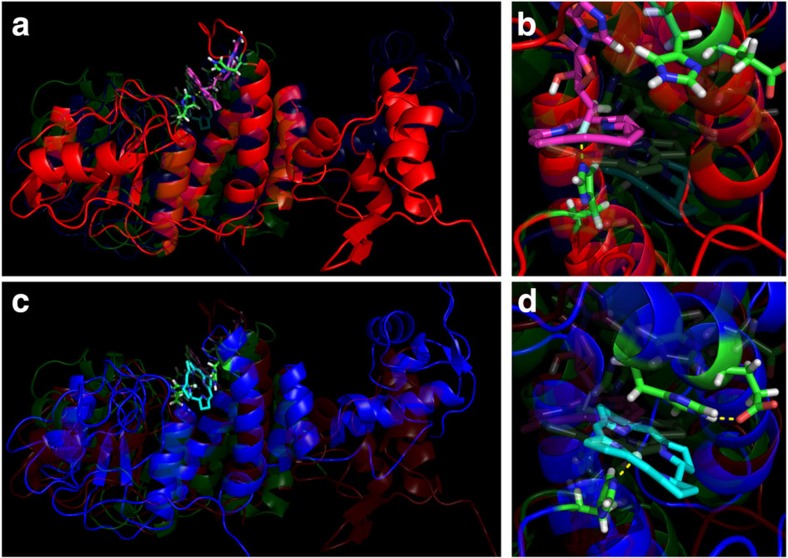
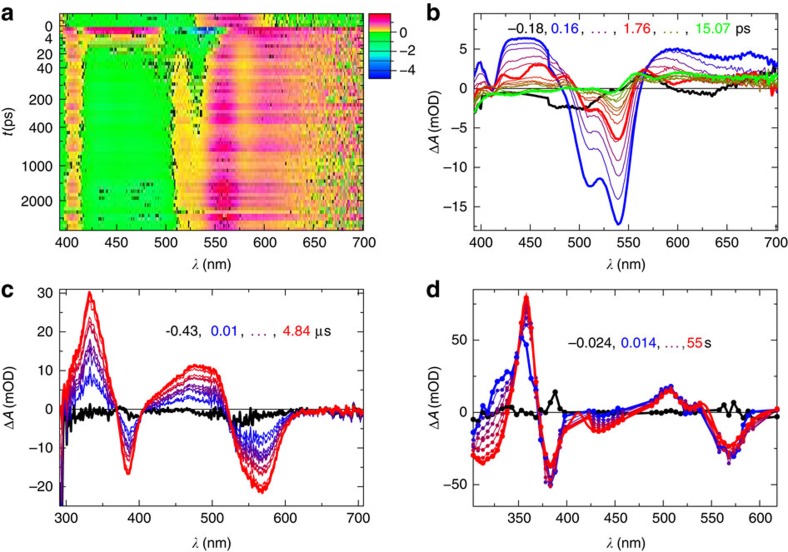
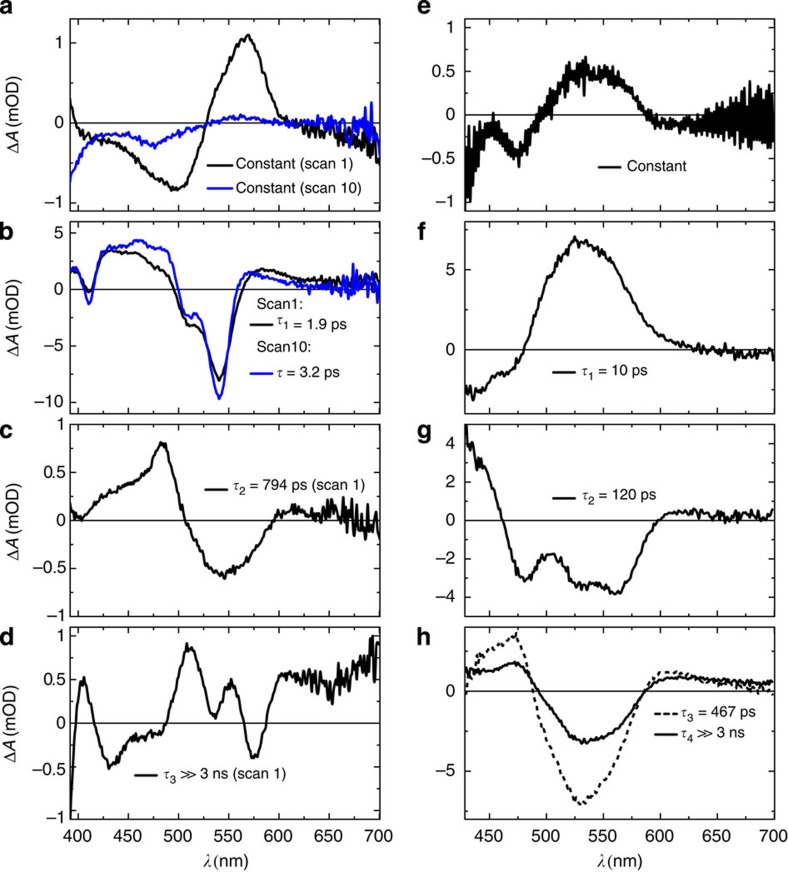
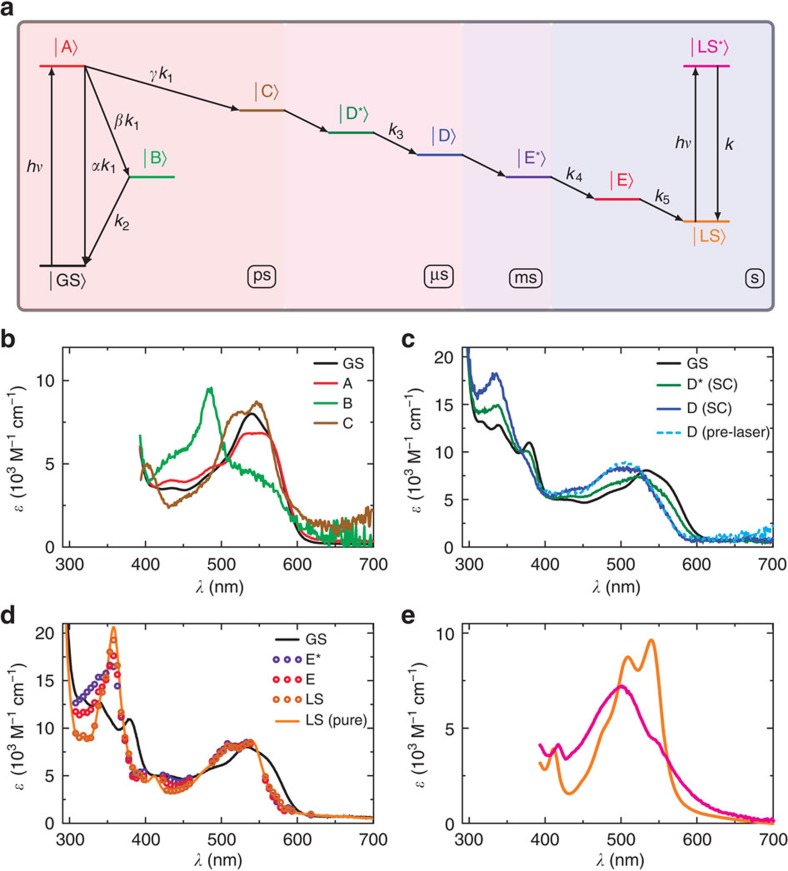
The coenzyme B12-dependent photoreceptor protein, CarH, is a bacterial transcriptional regulator that controls the biosynthesis of carotenoids in response to light. On binding of coenzyme B12 the monomeric apoprotein forms tetramers in the dark, which bind operator DNA thus blocking transcription. Under illumination the CarH tetramer dissociates, weakening its affinity for DNA and allowing transcription. The mechanism by which this occurs is unknown. Here we describe the photochemistry in CarH that ultimately triggers tetramer dissociation; it proceeds via a cob(III)alamin intermediate, which then forms a stable adduct with the protein. This pathway is without precedent and our data suggest it is independent of the radical chemistry common to both coenzyme B12 enzymology and its known photochemistry. It provides a mechanistic foundation for the emerging field of B12 photobiology and will serve to inform the development of a new class of optogenetic tool for the control of gene expression.
依赖辅酶B12的光感受器蛋白CarH是一种细菌转录调节因子,可根据光照控制类胡萝卜素的生物合成。在黑暗中,单体脱辅基蛋白与辅酶B12结合后形成四聚体,该四聚体与操纵基因DNA结合,从而阻断转录。在光照条件下,CarH四聚体解离,减弱其对DNA的亲和力,从而允许转录。其发生机制尚不清楚。在此,我们描述了CarH中最终触发四聚体解离的光化学过程;它通过钴胺素(III)中间体进行,然后该中间体与蛋白质形成稳定的加合物。这条途径尚无先例,我们的数据表明它独立于辅酶B12酶学及其已知光化学中常见的自由基化学。它为新兴的B12光生物学领域提供了一个机制基础,并将为开发一类用于控制基因表达的新型光遗传学工具提供参考。