Bermejo-Álvarez P, Ramos-Ibeas P, Park K E, Powell A P, Vansandt L, Derek Bickhart, Ramirez M A, Gutiérrez-Adán A, Telugu B P
Department of Animal and Avian Sciences, University of Maryland, MD, USA.
Animal Bioscience and Biotechnology Laboratory, USDA-ARS, Beltsville, MD, USA.
Sci Rep. 2015 Sep 2;5:13691. doi: 10.1038/srep13691.
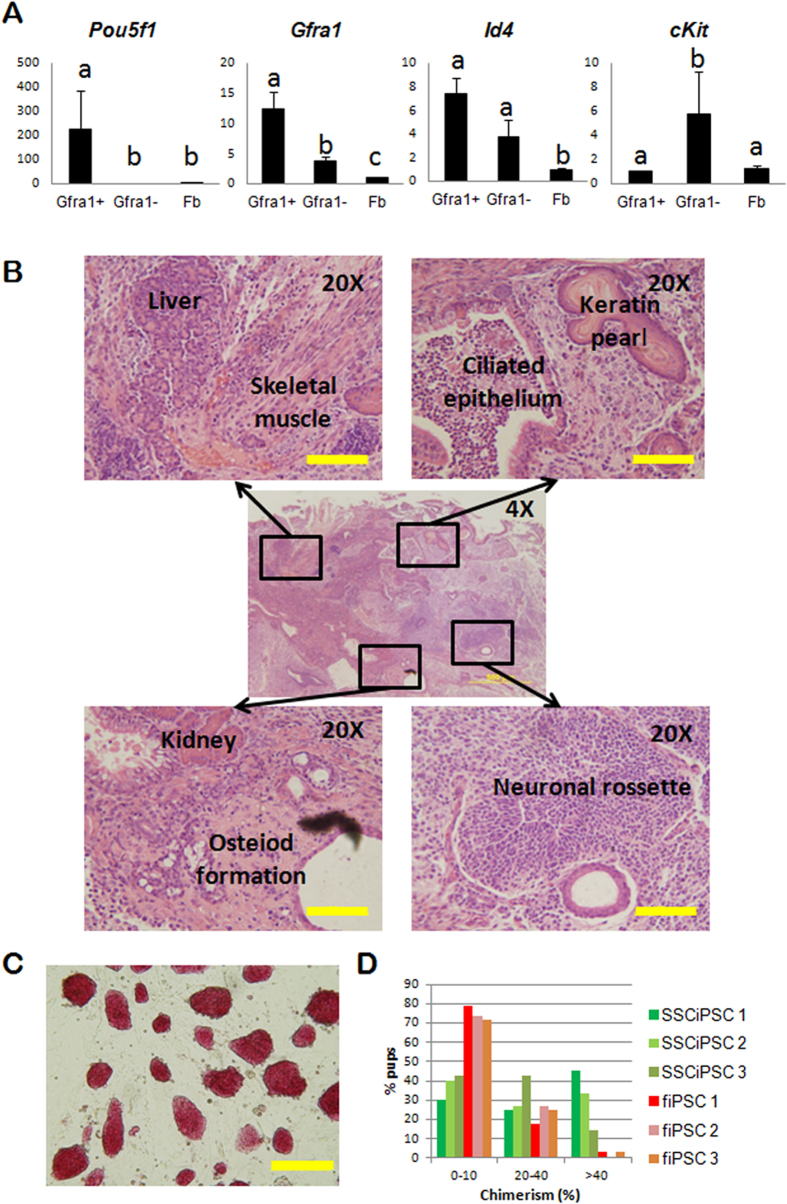
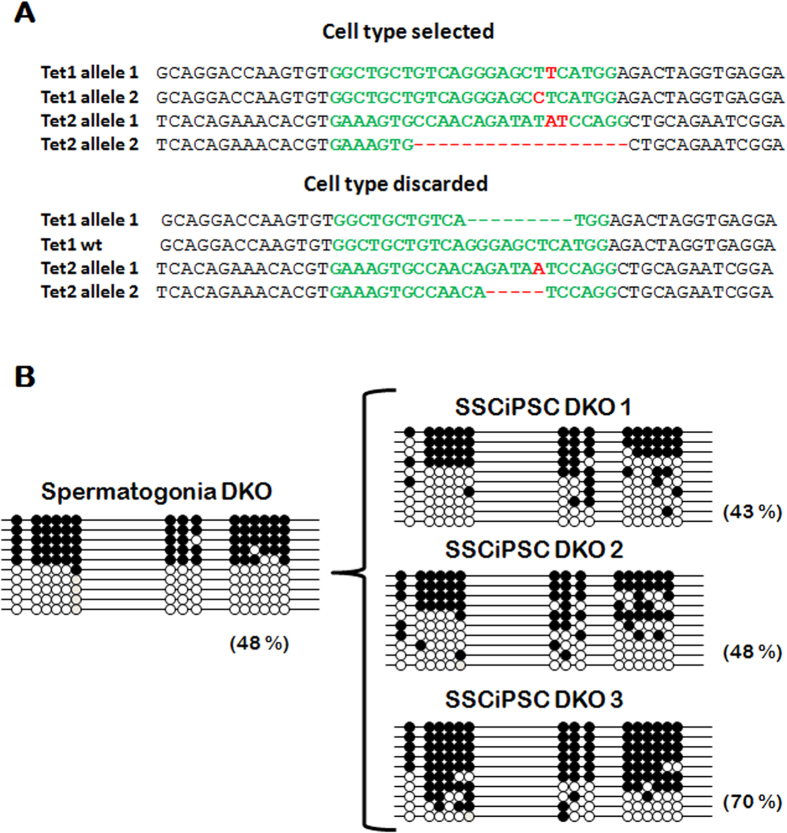
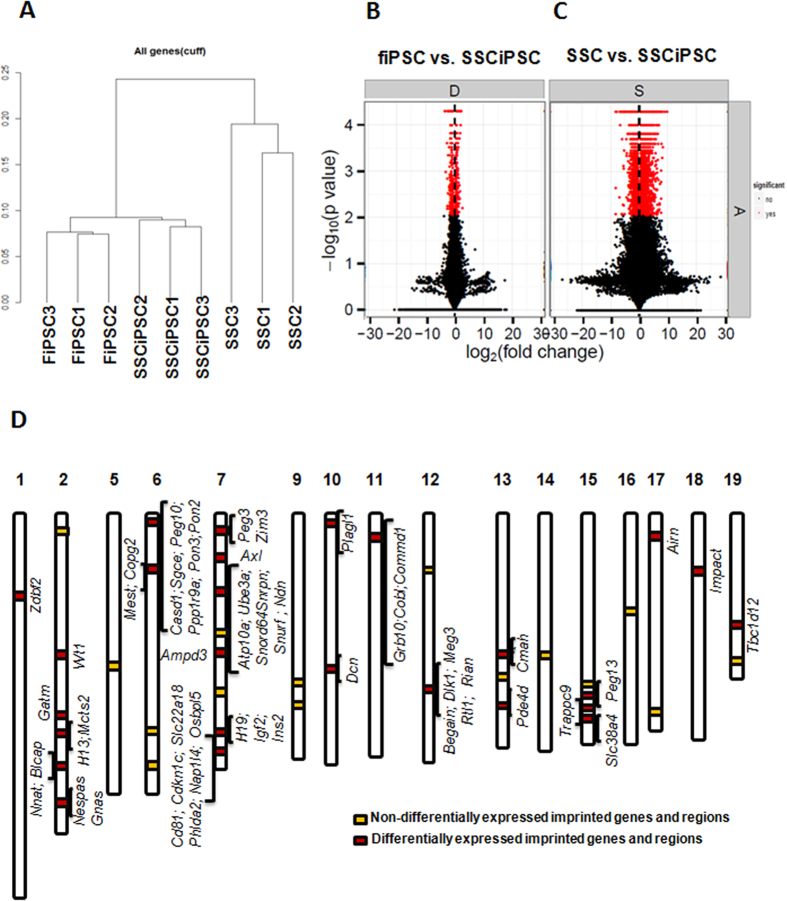
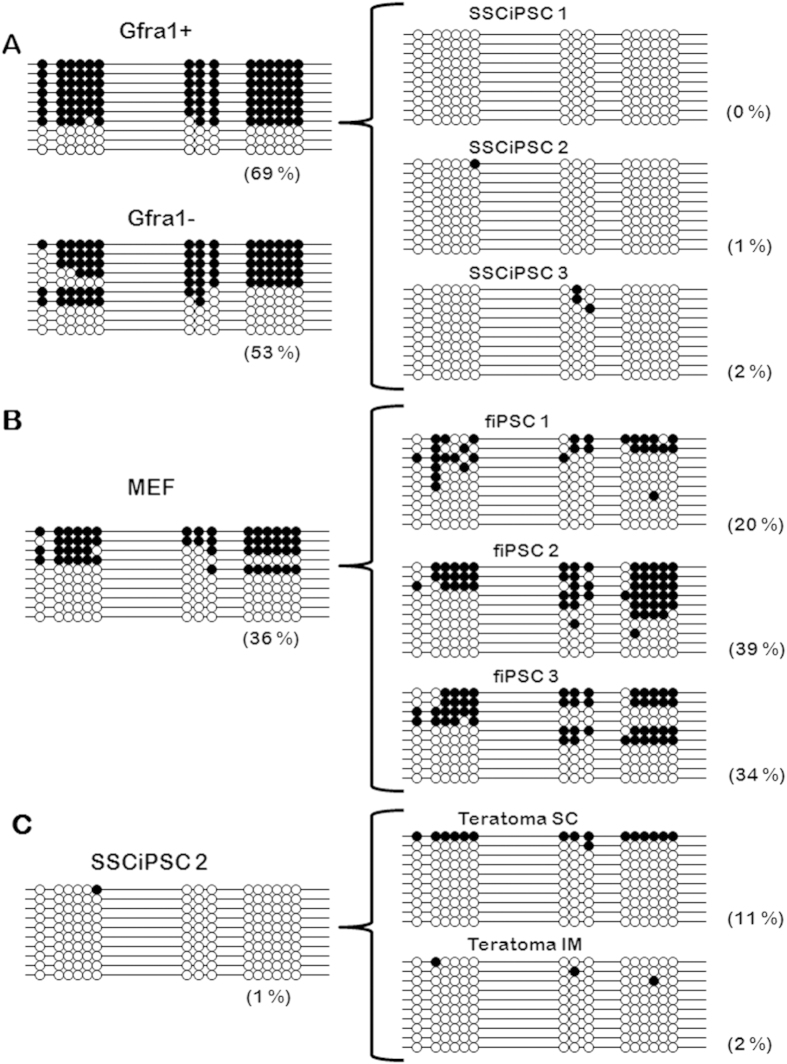
Selective methylation of CpG islands at imprinting control regions (ICR) determines the monoparental expression of a subset of genes. Currently, it is unclear whether artificial reprogramming induced by the expression of Yamanaka factors disrupts these marks and whether cell type of origin affects the dynamics of reprogramming. In this study, spermatogonial stem cells (SSC) that harbor paternalized imprinting marks, and fibroblasts were reprogrammed to iPSC (SSCiPSC and fiPSC). The SSCiPSC were able to form teratomas and generated chimeras with a higher skin chimerism than those derived from fiPSC. RNA-seq revealed extensive reprogramming at the transcriptional level with 8124 genes differentially expressed between SSC and SSCiPSC and only 490 between SSCiPSC and fiPSC. Likewise, reprogramming of SSC affected 26 of 41 imprinting gene clusters known in the mouse genome. A closer look at H19 ICR revealed complete erasure in SSCiPSC in contrast to fiPSC. Imprinting erasure in SSCiPSC was maintained even after in vivo differentiation into teratomas. Reprogramming of SSC from Tet1 and Tet2 double knockout mice however lacked demethylation of H19 ICR. These results suggest that imprinting erasure during reprogramming depends on the epigenetic landscape of the precursor cell and is mediated by TETs at the H19 locus.
印记控制区域(ICR)处CpG岛的选择性甲基化决定了一部分基因的单亲本表达。目前尚不清楚由山中因子表达诱导的人工重编程是否会破坏这些印记,以及起始细胞类型是否会影响重编程的动力学。在本研究中,携带父源印记标记的精原干细胞(SSC)和成纤维细胞被重编程为诱导多能干细胞(SSCiPSC和fiPSC)。SSCiPSC能够形成畸胎瘤,并产生比源自fiPSC的嵌合体具有更高皮肤嵌合率的嵌合体。RNA测序揭示了转录水平上的广泛重编程,SSC和SSCiPSC之间有8124个基因差异表达,而SSCiPSC和fiPSC之间只有490个基因差异表达。同样,SSC的重编程影响了小鼠基因组中已知的41个印记基因簇中的26个。仔细观察H19 ICR发现,与fiPSC相比,SSCiPSC中H19 ICR完全消除。即使在体内分化为畸胎瘤后,SSCiPSC中的印记消除仍得以维持。然而,来自Tet1和Tet2双敲除小鼠的SSC重编程缺乏H19 ICR的去甲基化。这些结果表明,重编程过程中的印记消除取决于前体细胞的表观遗传格局,并由H19位点的TET蛋白介导。