Nicholls Francesca J, Ling Wen, Ferrauto Giuseppe, Aime Silvio, Modo Michel
Department of Radiology, Pittsburgh, PA.
McGowan Institute for Regenerative Medicine and Pittsburgh, PA.
Sci Rep. 2015 Sep 30;5:14597. doi: 10.1038/srep14597.
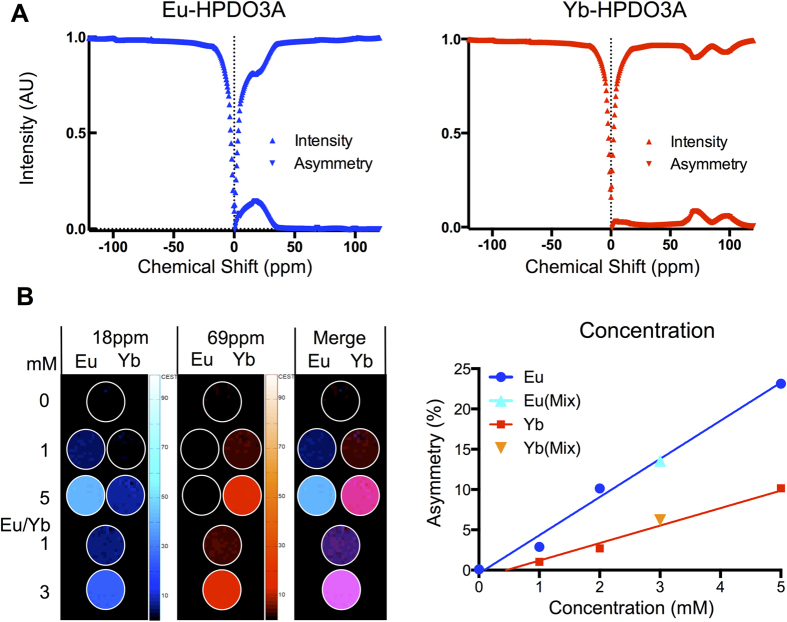
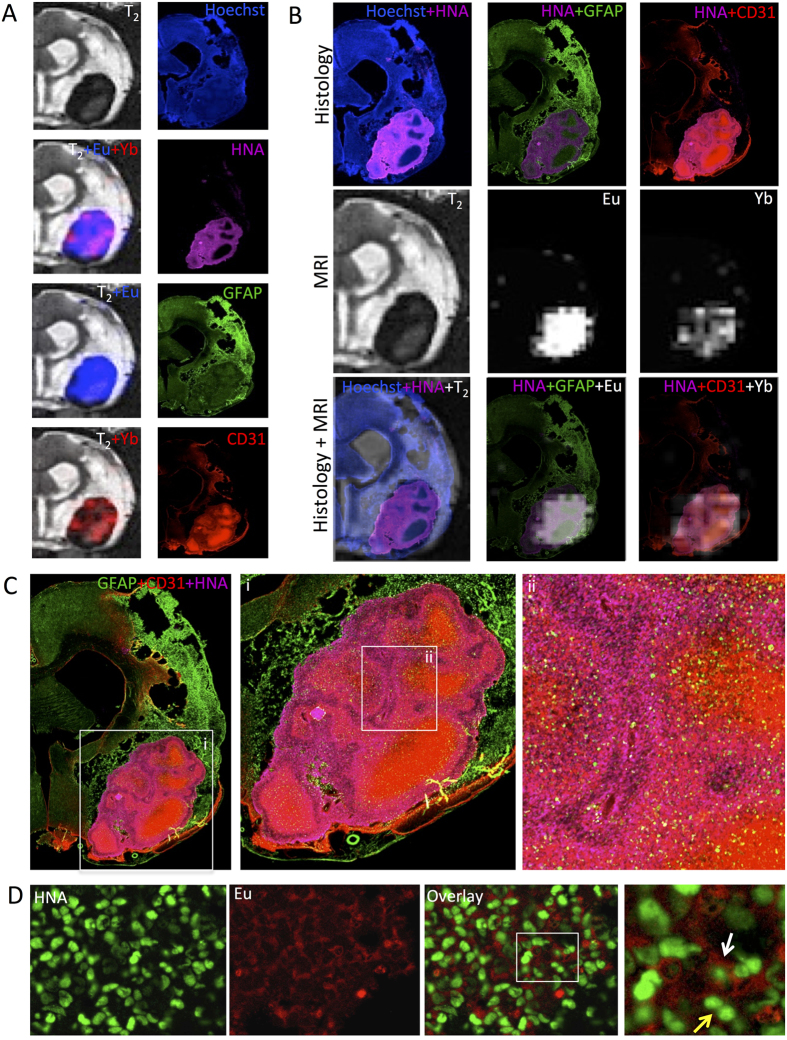
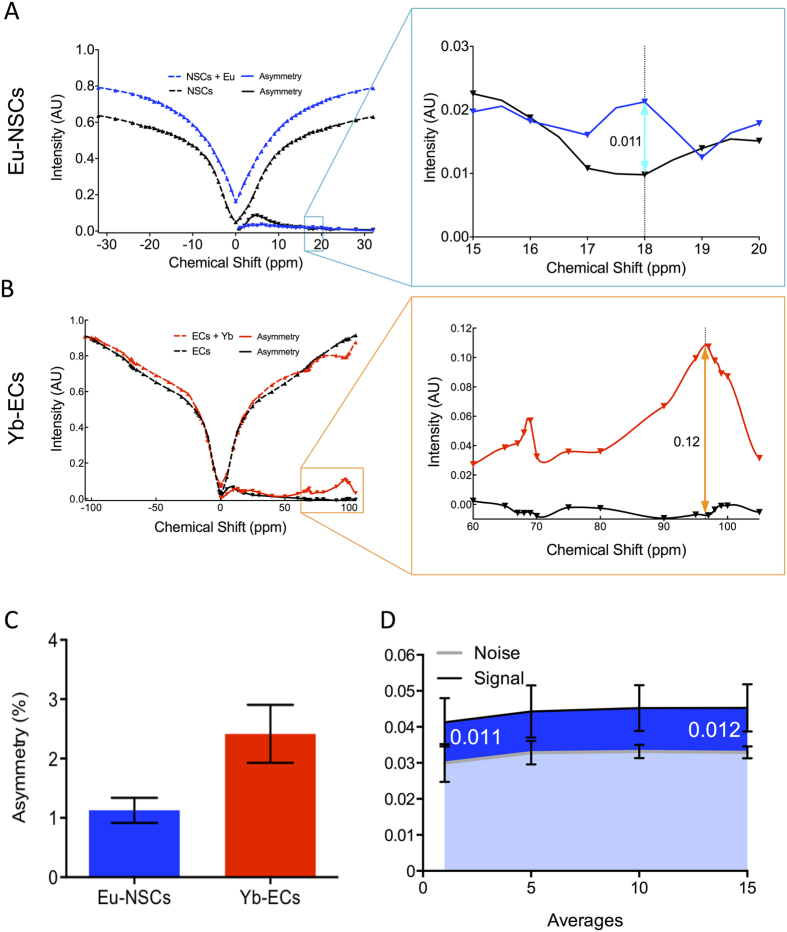
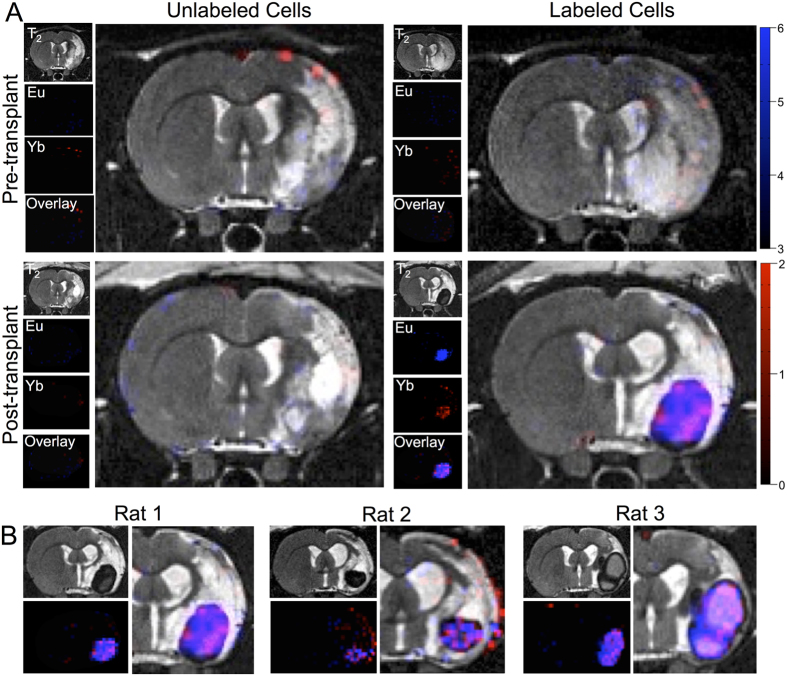
In situ tissue engineering within a stroke cavity is gradually emerging as a novel therapeutic paradigm. Considering the varied lesion topology within each subject, the placement and distribution of cells within the lesion cavity is challenging. The use of multiple cell types to reconstruct damaged tissue illustrates the complexity of the process, but also highlights the challenges to provide a non-invasive assessment. The distribution of implanted cells within the lesion cavity and crucially the contribution of neural stem cells and endothelial cells to morphogenesis could be visualized simultaneously using two paramagnetic chemical exchange saturation transfer (paraCEST) agents. The development of sophisticated imaging methods is essential to guide delivery of the building blocks for in situ tissue engineering, but will also be essential to understand the dynamics of cellular interactions leading to the formation of de novo tissue.
中风腔体内的原位组织工程正逐渐成为一种新型治疗模式。鉴于每个患者体内病变拓扑结构各异,在病变腔内细胞的放置和分布颇具挑战性。使用多种细胞类型来重建受损组织既说明了该过程的复杂性,也凸显了进行非侵入性评估的挑战。利用两种顺磁化学交换饱和转移(paraCEST)剂可同时观察到植入细胞在病变腔内的分布,以及神经干细胞和内皮细胞对形态发生的关键贡献。先进成像方法的发展对于指导原位组织工程构建模块的递送至关重要,对于理解导致新生组织形成的细胞相互作用动态也必不可少。