• 文献检索
  • 文档翻译
  • 深度研究
  • 学术资讯
  • Suppr Zotero 插件Zotero 插件
  • 邀请有礼
  • 套餐&价格
  • 历史记录
应用&插件
Suppr Zotero 插件Zotero 插件浏览器插件Mac 客户端Windows 客户端微信小程序
定价
高级版会员购买积分包购买API积分包
服务
文献检索文档翻译深度研究API 文档MCP 服务
关于我们
关于 Suppr公司介绍联系我们用户协议隐私条款
关注我们

Suppr 超能文献

核心技术专利:CN118964589B侵权必究
粤ICP备2023148730 号-1Suppr @ 2026

文献检索

告别复杂PubMed语法,用中文像聊天一样搜索,搜遍4000万医学文献。AI智能推荐,让科研检索更轻松。

立即免费搜索

文件翻译

保留排版,准确专业,支持PDF/Word/PPT等文件格式,支持 12+语言互译。

免费翻译文档

深度研究

AI帮你快速写综述,25分钟生成高质量综述,智能提取关键信息,辅助科研写作。

立即免费体验

聚合物纳米颗粒在体内和体外的毒性

Toxicity of polymeric nanoparticles in vivo and in vitro.

作者信息

Voigt Nadine, Henrich-Noack Petra, Kockentiedt Sarah, Hintz Werner, Tomas Jürgen, Sabel Bernhard A

机构信息

Institute of Medical Psychology, Otto-von-Guericke University, Leipziger Str. 44, 39120 Magdeburg, Germany.

Institute of Process Engineering, Otto-von-Guericke University, Universitätsplatz 2, 39106 Magdeburg, Germany.

出版信息

J Nanopart Res. 2014 Jun 1;16(6). doi: 10.1007/s11051-014-2379-1. Epub 2014 May 6.

DOI:10.1007/s11051-014-2379-1
PMID:26420981
原文链接:https://pmc.ncbi.nlm.nih.gov/articles/PMC4584143/
Abstract

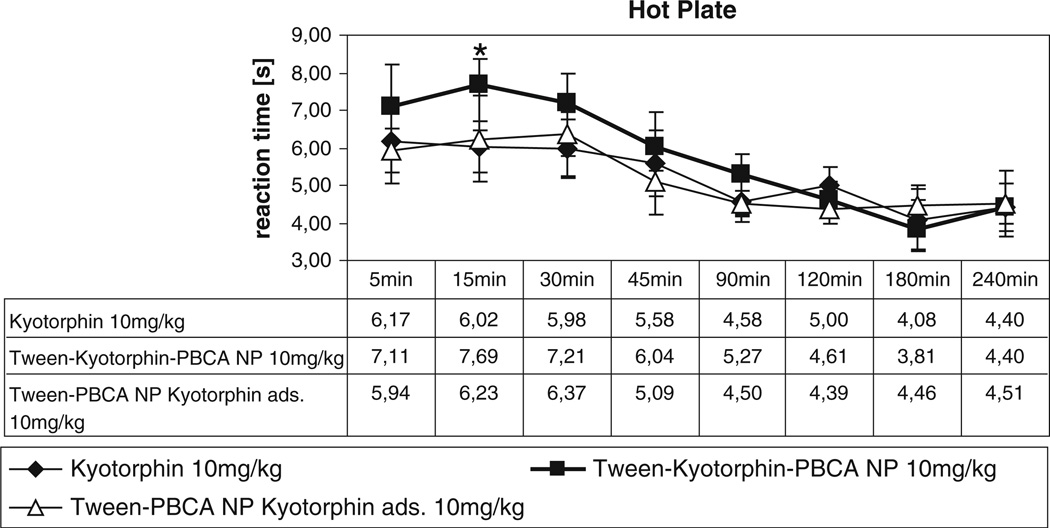
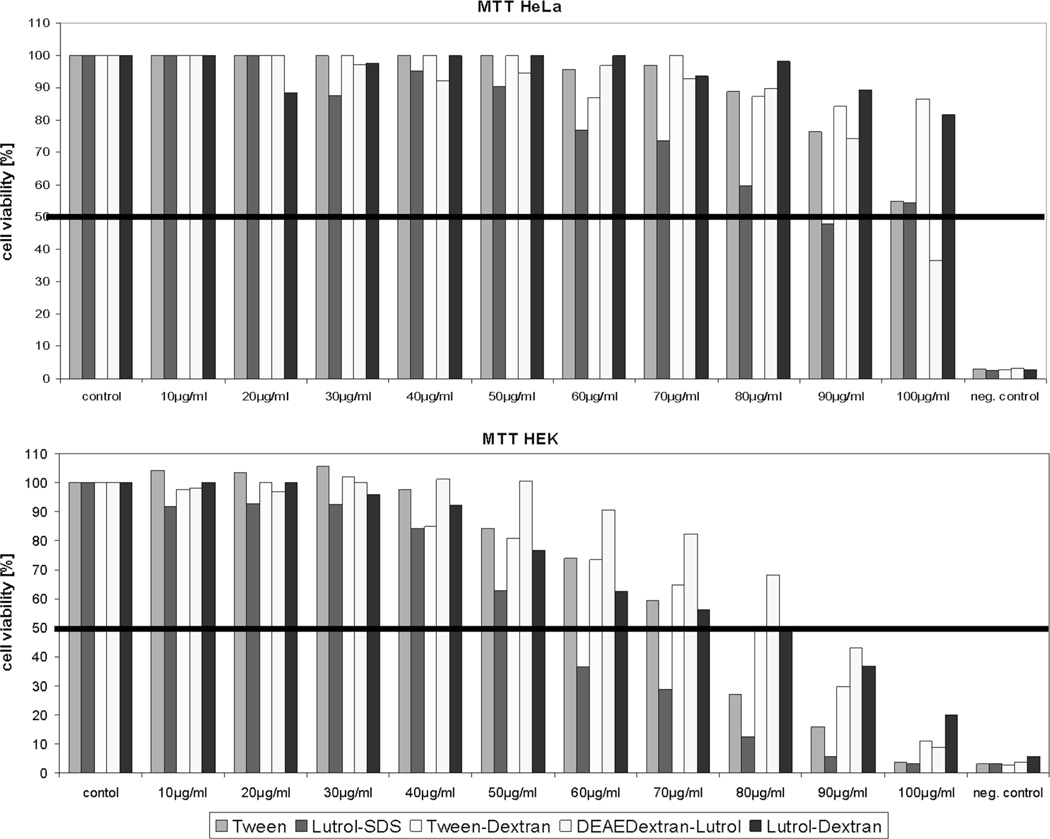
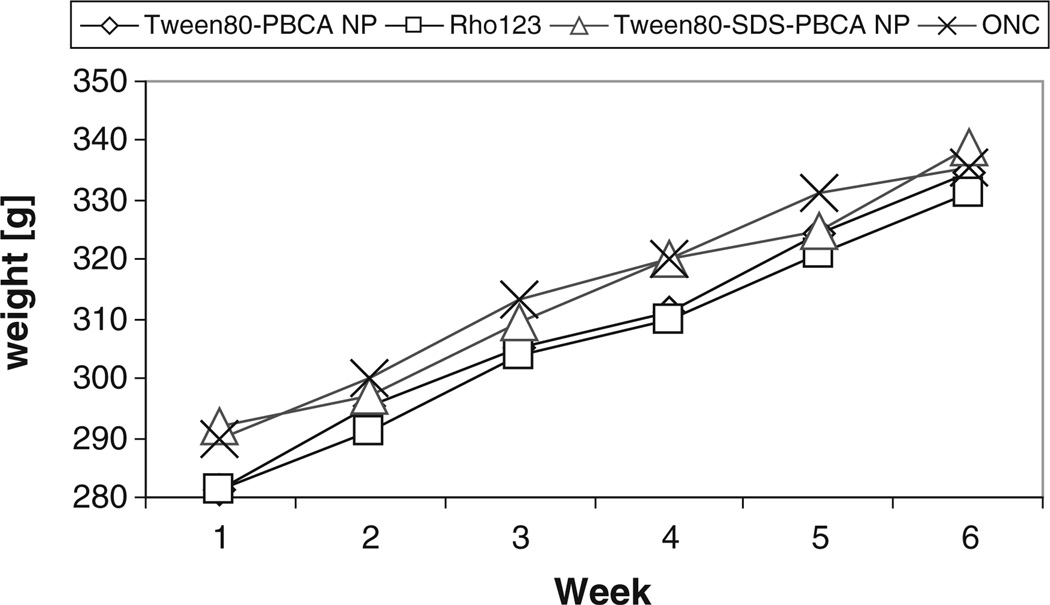
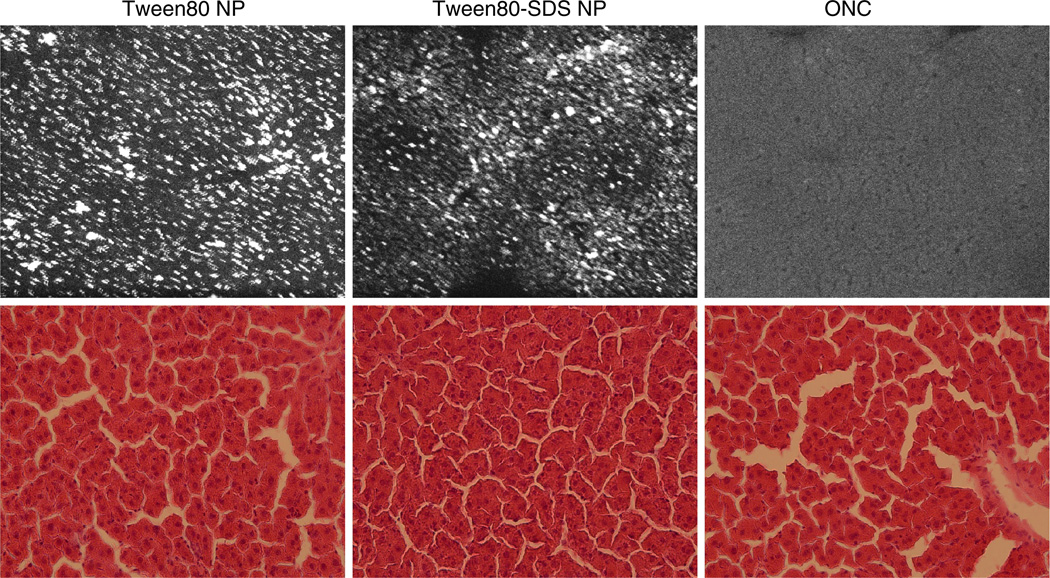
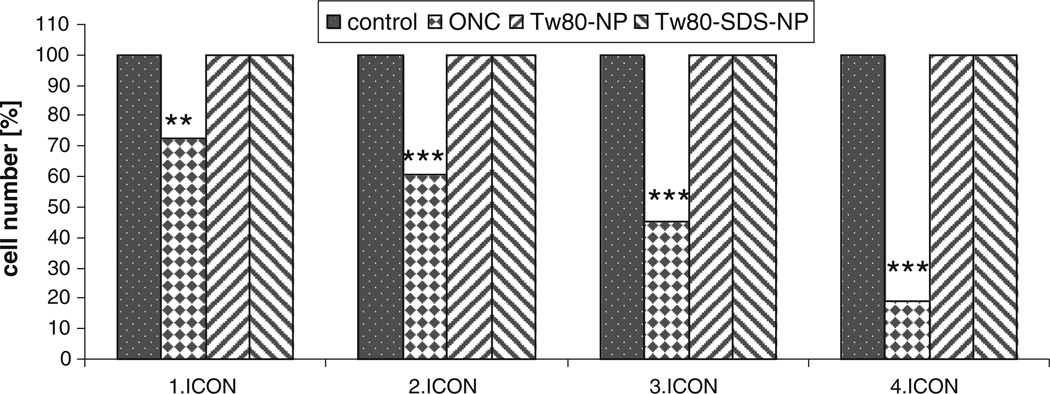
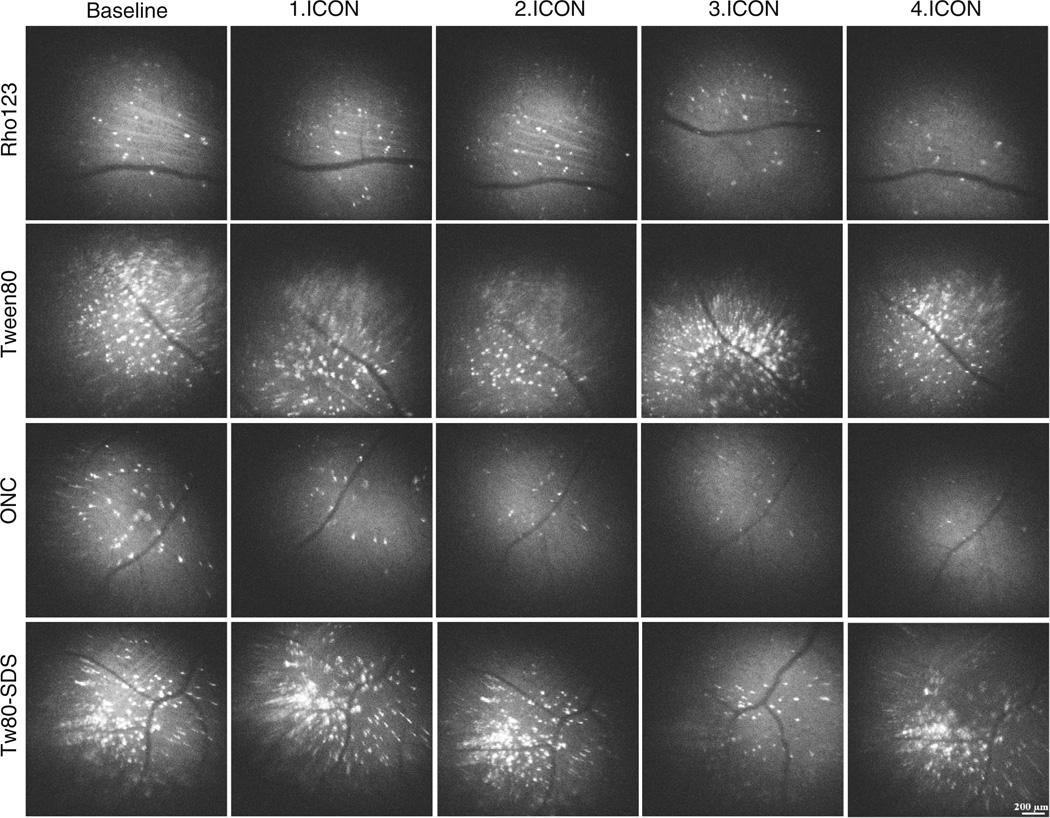
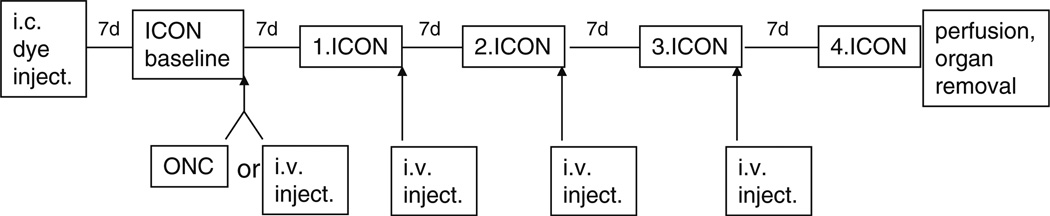
Polybutylcyanoacrylate nanoparticles (PBCA NPs) are candidates for a drug delivery system, which can cross the blood-brain barrier (BBB). Because little is known about their toxicity, we exposed cells to PBCA NPs in vitro and in vivo and monitored their life and death assays. PBCA NPs were fabricated with different surfactants according to the mini-emulsion technique. Viabilities of HeLa and HEK293 cells after NP incubation were quantified by analysing cellular metabolic activity (MTT-test). We then repetitively injected i.v. rhodamine-labelled PBCA NP variations into rats and monitored the survival and morphology of retrogradely labelled neurons by in vivo confocal neuroimaging (ICON) for five weeks. To test for carrier-efficacy and safety, PBCA NPs loaded with Kyotorphin were injected in rats, and a hot plate test was used to quantify analgesic effects. In vitro, we found dose-dependent cell death which was, however, only detectable at very high doses and mainly seen in the cultures incubated with NPs fabricated with the tensids SDS and Tween. However, the in vivo experiments did not show any NP-induced neuronal death, even with particles which were toxic at high dose in vitro, i.e. NPs with Tween and SDS. The increased pain threshold at the hot plate test demonstrated that PBCA NPs are able to cross the BBB and thus comprise a useful tool for drug delivery into the central nervous system (CNS). Our findings showing that different nanoparticle formulations are non-toxic have important implications for the value of NP engineering approaches in medicine.

摘要

聚氰基丙烯酸丁酯纳米颗粒(PBCA NPs)是一种药物递送系统的候选材料,它能够穿过血脑屏障(BBB)。由于对其毒性了解甚少,我们在体外和体内将细胞暴露于PBCA NPs中,并监测它们的生死检测。根据微乳液技术,用不同的表面活性剂制备了PBCA NPs。通过分析细胞代谢活性(MTT试验)来量化NP孵育后HeLa和HEK293细胞的活力。然后,我们将罗丹明标记的PBCA NP变体反复静脉注射到大鼠体内,并通过体内共聚焦神经成像(ICON)监测逆行标记神经元的存活和形态,持续五周。为了测试载体的有效性和安全性,将负载脑啡肽的PBCA NPs注射到大鼠体内,并使用热板试验来量化镇痛效果。在体外,我们发现了剂量依赖性细胞死亡,然而,这种现象只有在非常高的剂量下才能检测到,并且主要出现在与用表面活性剂十二烷基硫酸钠(SDS)和吐温制备的NP孵育的培养物中。然而,体内实验并未显示任何NP诱导的神经元死亡,即使是在体外高剂量下有毒的颗粒,即含有吐温和SDS的NP。热板试验中疼痛阈值的升高表明PBCA NPs能够穿过血脑屏障,因此是一种将药物递送至中枢神经系统(CNS)的有用工具。我们的研究结果表明不同的纳米颗粒制剂无毒,这对医学中NP工程方法的价值具有重要意义。
https://cdn.ncbi.nlm.nih.gov/pmc/blobs/0624/4584143/886dacc8ee60/nihms647896f9.jpg
https://cdn.ncbi.nlm.nih.gov/pmc/blobs/0624/4584143/4e3c1cf10507/nihms647896f1.jpg
https://cdn.ncbi.nlm.nih.gov/pmc/blobs/0624/4584143/c785e4b3cc90/nihms647896f2.jpg
https://cdn.ncbi.nlm.nih.gov/pmc/blobs/0624/4584143/34760b05ec20/nihms647896f3.jpg
https://cdn.ncbi.nlm.nih.gov/pmc/blobs/0624/4584143/0964085bb1e5/nihms647896f4.jpg
https://cdn.ncbi.nlm.nih.gov/pmc/blobs/0624/4584143/c3653af8900a/nihms647896f5.jpg
https://cdn.ncbi.nlm.nih.gov/pmc/blobs/0624/4584143/4ac0a52ced08/nihms647896f6.jpg
https://cdn.ncbi.nlm.nih.gov/pmc/blobs/0624/4584143/8985d887e46b/nihms647896f7.jpg
https://cdn.ncbi.nlm.nih.gov/pmc/blobs/0624/4584143/5c37743812d7/nihms647896f8.jpg
https://cdn.ncbi.nlm.nih.gov/pmc/blobs/0624/4584143/886dacc8ee60/nihms647896f9.jpg
https://cdn.ncbi.nlm.nih.gov/pmc/blobs/0624/4584143/4e3c1cf10507/nihms647896f1.jpg
https://cdn.ncbi.nlm.nih.gov/pmc/blobs/0624/4584143/c785e4b3cc90/nihms647896f2.jpg
https://cdn.ncbi.nlm.nih.gov/pmc/blobs/0624/4584143/34760b05ec20/nihms647896f3.jpg
https://cdn.ncbi.nlm.nih.gov/pmc/blobs/0624/4584143/0964085bb1e5/nihms647896f4.jpg
https://cdn.ncbi.nlm.nih.gov/pmc/blobs/0624/4584143/c3653af8900a/nihms647896f5.jpg
https://cdn.ncbi.nlm.nih.gov/pmc/blobs/0624/4584143/4ac0a52ced08/nihms647896f6.jpg
https://cdn.ncbi.nlm.nih.gov/pmc/blobs/0624/4584143/8985d887e46b/nihms647896f7.jpg
https://cdn.ncbi.nlm.nih.gov/pmc/blobs/0624/4584143/5c37743812d7/nihms647896f8.jpg
https://cdn.ncbi.nlm.nih.gov/pmc/blobs/0624/4584143/886dacc8ee60/nihms647896f9.jpg

相似文献

1
Toxicity of polymeric nanoparticles in vivo and in vitro.聚合物纳米颗粒在体内和体外的毒性
J Nanopart Res. 2014 Jun 1;16(6). doi: 10.1007/s11051-014-2379-1. Epub 2014 May 6.
2
Surfactants, not size or zeta-potential influence blood-brain barrier passage of polymeric nanoparticles.表面活性剂而非粒径或 Zeta 电位影响聚合物纳米粒的血脑屏障透过性。
Eur J Pharm Biopharm. 2014 May;87(1):19-29. doi: 10.1016/j.ejpb.2014.02.013. Epub 2014 Mar 4.
3
How Nanoparticle Physicochemical Parameters Affect Drug Delivery to Cells in the Retina via Systemic Interactions.纳米颗粒理化参数如何通过全身相互作用影响视网膜细胞的药物递送。
Mol Pharm. 2019 Dec 2;16(12):5068-5075. doi: 10.1021/acs.molpharmaceut.9b01046. Epub 2019 Nov 1.
4
Polybutylcyanoacrylate nanoparticles for delivering hormone response element-conjugated neurotrophin-3 to the brain of intracerebral hemorrhagic rats.载有激素反应元件-缀合神经营养因子 3 的聚氰基丙烯酸正丁酯纳米粒递送至脑出血大鼠脑内。
Biomaterials. 2013 Dec;34(37):9717-27. doi: 10.1016/j.biomaterials.2013.08.083. Epub 2013 Sep 10.
5
Major effects on blood-retina barrier passage by minor alterations in design of polybutylcyanoacrylate nanoparticles.聚丁基氰基丙烯酸酯纳米粒结构微小改变对血视网膜屏障通透性的显著影响。
J Drug Target. 2019 Mar;27(3):338-346. doi: 10.1080/1061186X.2018.1531416. Epub 2018 Nov 26.
6
Cytotoxicity and apoptotic gene expression in an in vitro model of the blood-brain barrier following exposure to poly(butylcyanoacrylate) nanoparticles.暴露于聚(氰基丙烯酸丁酯)纳米颗粒后血脑屏障体外模型中的细胞毒性和凋亡基因表达。
J Drug Target. 2016 Aug;24(7):635-44. doi: 10.3109/1061186X.2015.1132222. Epub 2016 Feb 5.
7
Indirect evidence that drug brain targeting using polysorbate 80-coated polybutylcyanoacrylate nanoparticles is related to toxicity.使用聚山梨酯80包被的聚氰基丙烯酸正丁酯纳米颗粒进行药物脑靶向的间接证据与毒性有关。
Pharm Res. 1999 Dec;16(12):1836-42. doi: 10.1023/a:1018947208597.
8
Targeted Propolis-Loaded Poly (Butyl) Cyanoacrylate Nanoparticles: An Alternative Drug Delivery Tool for the Treatment of Cryptococcal Meningitis.靶向载蜂胶聚氰基丙烯酸丁酯纳米粒:治疗新型隐球菌性脑膜炎的一种新型药物递送工具
Front Pharmacol. 2021 Aug 20;12:723727. doi: 10.3389/fphar.2021.723727. eCollection 2021.
9
Nanotoxicity of poly(n-butylcyano-acrylate) nanoparticles at the blood-brain barrier, in human whole blood and in vivo.聚(正丁基氰基丙烯酸酯)纳米颗粒在血脑屏障、人全血和体内的纳米毒性。
J Control Release. 2015 Jan 10;197:165-79. doi: 10.1016/j.jconrel.2014.11.005. Epub 2014 Nov 10.
10
Transcytosis of CRM197-grafted polybutylcyanoacrylate nanoparticles for delivering zidovudine across human brain-microvascular endothelial cells.CRM197 嫁接聚丁基氰基丙烯酸酯纳米粒经转胞吞作用跨人脑微血管内皮细胞递送齐多夫定。
Colloids Surf B Biointerfaces. 2012 Mar 1;91:242-9. doi: 10.1016/j.colsurfb.2011.11.007. Epub 2011 Nov 11.

引用本文的文献

1
Development and Validation of In Vitro Assessment Protocol of Novel Intravenous Nanoemulsions for Parenteral Nutrition.新型肠外营养静脉纳米乳剂体外评估方案的开发与验证
Pharmaceutics. 2025 Apr 8;17(4):493. doi: 10.3390/pharmaceutics17040493.
2
Nanomedicine in glaucoma treatment; Current challenges and future perspectives.青光眼治疗中的纳米医学:当前挑战与未来展望。
Mater Today Bio. 2024 Sep 4;28:101229. doi: 10.1016/j.mtbio.2024.101229. eCollection 2024 Oct.
3
A central composite design-based targeted quercetin nanoliposomal formulation: Optimization and cytotoxic studies on MCF-7 breast cancer cell lines.

本文引用的文献

1
Transcorneal electrical stimulation alters morphology and survival of retinal ganglion cells after optic nerve damage.经角膜电刺激可改变视神经损伤后视网膜神经节细胞的形态和存活。
Neurosci Lett. 2013 May 24;543:1-6. doi: 10.1016/j.neulet.2013.03.013. Epub 2013 Mar 21.
2
The role of surface charge in cellular uptake and cytotoxicity of medical nanoparticles.医学纳米粒子表面电荷在细胞摄取和细胞毒性中的作用。
Int J Nanomedicine. 2012;7:5577-91. doi: 10.2147/IJN.S36111. Epub 2012 Nov 2.
3
Assessing nanoparticle toxicity.评估纳米颗粒的毒性。
基于中心复合设计的靶向槲皮素纳米脂质体制剂:对MCF-7乳腺癌细胞系的优化及细胞毒性研究
Heliyon. 2024 Sep 4;10(17):e37430. doi: 10.1016/j.heliyon.2024.e37430. eCollection 2024 Sep 15.
4
Biodegradable Polymeric Nanoparticle-Based Drug Delivery Systems: Comprehensive Overview, Perspectives and Challenges.基于可生物降解聚合物纳米颗粒的药物递送系统:全面综述、前景与挑战
Polymers (Basel). 2024 Sep 7;16(17):2536. doi: 10.3390/polym16172536.
5
Toward the scale-up production of polymeric nanotherapeutics for cancer clinical trials.迈向用于癌症临床试验的聚合物纳米治疗剂的扩大生产。
Nano Today. 2024 Jun;56. doi: 10.1016/j.nantod.2024.102314. Epub 2024 May 18.
6
Dual-Antigen Subunit Vaccine Nanoparticles for Scrub Typhus.用于恙虫病的双抗原亚单位疫苗纳米颗粒
Pathogens. 2023 Nov 25;12(12):1390. doi: 10.3390/pathogens12121390.
7
Effects of Digestion, Cell Culture Media, and Mucous on the Physical Properties, Cellular Effects, and Translocation of Polystyrene and Polymethacrylate Nanoparticles.消化、细胞培养基和黏液对聚苯乙烯和聚甲基丙烯酸酯纳米颗粒物理性质、细胞效应及转运的影响
Toxics. 2023 Aug 17;11(8):708. doi: 10.3390/toxics11080708.
8
Innovative Strategies for Drug Delivery to the Ocular Posterior Segment.药物递送至眼后段的创新策略。
Pharmaceutics. 2023 Jul 1;15(7):1862. doi: 10.3390/pharmaceutics15071862.
9
Intraocular nano-microscale drug delivery systems for glaucoma treatment: design strategies and recent progress.用于治疗青光眼的眼内纳微尺度药物输送系统:设计策略和最新进展。
J Nanobiotechnology. 2023 Mar 10;21(1):84. doi: 10.1186/s12951-023-01838-x.
10
time course of organ uptake and blood-brain-barrier permeation of poly(L-lactide) and poly(perfluorodecyl acrylate) nanoparticles with different surface properties in unharmed and brain-traumatized rats.聚(L-丙交酯)和聚(全氟癸基丙烯酸酯)纳米颗粒在未受伤和脑外伤大鼠体内的器官摄取及血脑屏障渗透的时间进程,这些纳米颗粒具有不同的表面性质。
Front Neurol. 2023 Feb 6;14:994877. doi: 10.3389/fneur.2023.994877. eCollection 2023.
Annu Rev Anal Chem (Palo Alto Calif). 2012;5:181-205. doi: 10.1146/annurev-anchem-062011-143134. Epub 2012 Apr 9.
4
Therapeutics, imaging and toxicity of nanomaterials in the central nervous system.中枢神经系统中纳米材料的治疗学、成像和毒性。
J Control Release. 2012 Jul 20;161(2):290-306. doi: 10.1016/j.jconrel.2012.03.026. Epub 2012 Apr 4.
5
In vivo visualisation of nanoparticle entry into central nervous system tissue.体内观察纳米颗粒进入中枢神经系统组织。
Arch Toxicol. 2012 Jul;86(7):1099-105. doi: 10.1007/s00204-012-0832-4. Epub 2012 Mar 16.
6
Safety assessment of nanomaterials: implications for nanomedicine.纳米材料的安全性评估:对纳米医学的影响。
J Control Release. 2012 Jul 20;161(2):403-8. doi: 10.1016/j.jconrel.2012.01.027. Epub 2012 Jan 25.
7
Toxicological considerations when creating nanoparticle-based drugs and drug delivery systems.创建基于纳米粒子的药物和药物输送系统时的毒理学考虑因素。
Expert Opin Drug Metab Toxicol. 2012 Jan;8(1):47-69. doi: 10.1517/17425255.2012.637916. Epub 2011 Nov 19.
8
Toxicology of nanomaterials used in nanomedicine.纳米医学中使用的纳米材料的毒理学。
J Toxicol Environ Health B Crit Rev. 2011;14(8):593-632. doi: 10.1080/10937404.2011.615113.
9
Toxicology of nanoparticles.纳米颗粒毒理学。
Adv Drug Deliv Rev. 2012 Feb;64(2):129-37. doi: 10.1016/j.addr.2011.09.001. Epub 2011 Sep 8.
10
Nanotoxicology and nanoparticle safety in biomedical designs.生物医学设计中的纳米毒理学和纳米颗粒安全性。
Int J Nanomedicine. 2011;6:1117-27. doi: 10.2147/IJN.S16603. Epub 2011 May 31.