Saw Anna E, Main Luana C, Gastin Paul B
Centre for Exercise and Sport Science, Deakin University, School of Exercise and Nutrition Sciences, Burwood, Victoria, Australia.
Centre for Physical Activity and Nutrition Research, Deakin University, School of Exercise and Nutrition Sciences, Burwood, Victoria, Australia.
Br J Sports Med. 2016 Mar;50(5):281-91. doi: 10.1136/bjsports-2015-094758. Epub 2015 Sep 9.
Monitoring athlete well-being is essential to guide training and to detect any progression towards negative health outcomes and associated poor performance. Objective (performance, physiological, biochemical) and subjective measures are all options for athlete monitoring.
We systematically reviewed objective and subjective measures of athlete well-being. Objective measures, including those taken at rest (eg, blood markers, heart rate) and during exercise (eg, oxygen consumption, heart rate response), were compared against subjective measures (eg, mood, perceived stress). All measures were also evaluated for their response to acute and chronic training load.
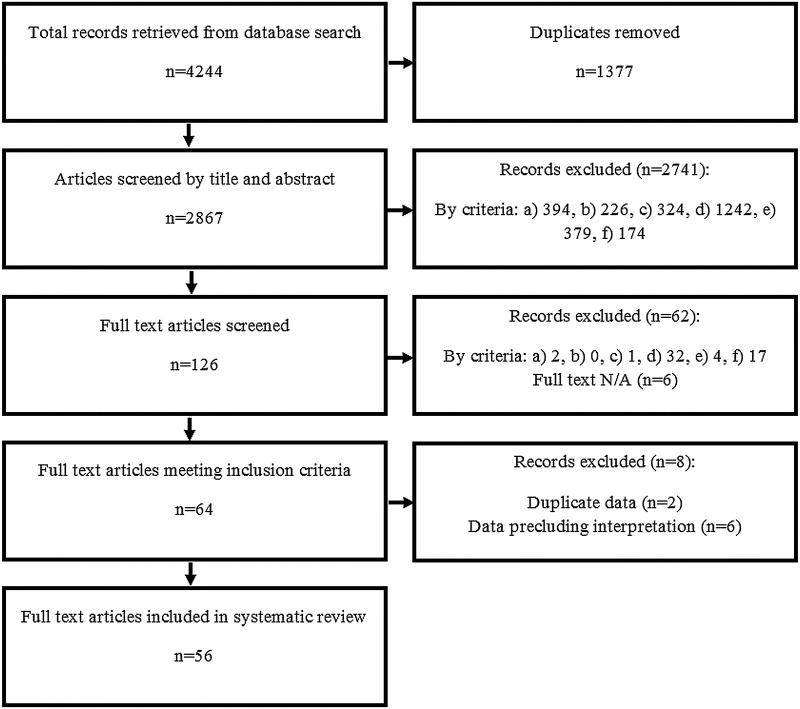
The databases Academic search complete, MEDLINE, PsycINFO, SPORTDiscus and PubMed were searched in May 2014. Fifty-six original studies reported concurrent subjective and objective measures of athlete well-being. The quality and strength of findings of each study were evaluated to determine overall levels of evidence.
Subjective and objective measures of athlete well-being generally did not correlate. Subjective measures reflected acute and chronic training loads with superior sensitivity and consistency than objective measures. Subjective well-being was typically impaired with an acute increase in training load, and also with chronic training, while an acute decrease in training load improved subjective well-being.
This review provides further support for practitioners to use subjective measures to monitor changes in athlete well-being in response to training. Subjective measures may stand alone, or be incorporated into a mixed methods approach to athlete monitoring, as is current practice in many sport settings.
监测运动员的健康状况对于指导训练以及发现任何向负面健康结果及相关不佳表现发展的情况至关重要。客观(表现、生理、生化)指标和主观指标都是监测运动员的选项。
我们系统地回顾了运动员健康状况的客观指标和主观指标。将客观指标,包括在休息时(如血液指标、心率)和运动期间(如耗氧量、心率反应)所测得的指标,与主观指标(如情绪、感知压力)进行比较。还对所有指标对急性和慢性训练负荷的反应进行了评估。
2014年5月检索了学术搜索完整版、医学期刊数据库、心理学文摘数据库、体育文献数据库和医学期刊全文数据库。56项原始研究报告了运动员健康状况的同时性主观和客观指标。对每项研究结果的质量和强度进行评估,以确定总体证据水平。
运动员健康状况的主观指标和客观指标通常不相关。主观指标反映急性和慢性训练负荷时,比客观指标具有更高的敏感性和一致性。主观幸福感通常会随着训练负荷的急性增加以及慢性训练而受损,而训练负荷的急性减少则会改善主观幸福感。
本综述为从业者使用主观指标来监测运动员健康状况随训练的变化提供了进一步支持。主观指标可以单独使用,也可以纳入运动员监测的混合方法中,这是许多体育环境中的当前做法。