Kirihara Yumiko, Takechi Mayumi, Kurosaki Kaoru, Kobayashi Yuta, Saito Yoji, Takeuchi Takashi
Department of Experimental Animals, Interdisciplinary Center for Science Research, Organization for Research, Shimane University, 89-1 Enya-cho, Izumo, Shimane 693-8501, Japan.
Exp Anim. 2016;65(1):27-36. doi: 10.1538/expanim.15-0036. Epub 2015 Sep 29.
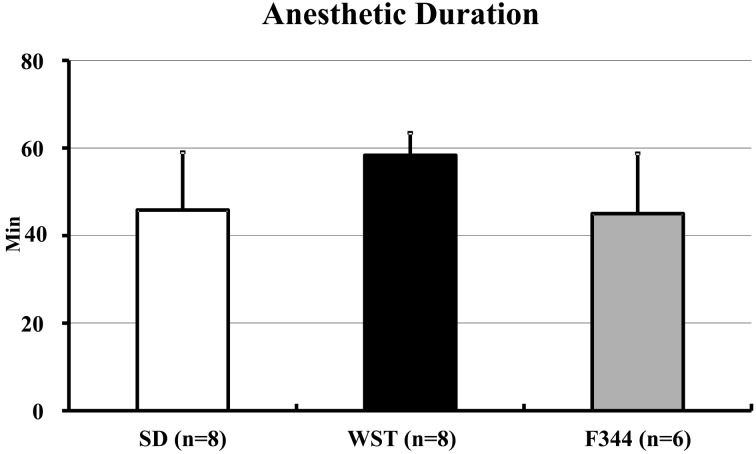
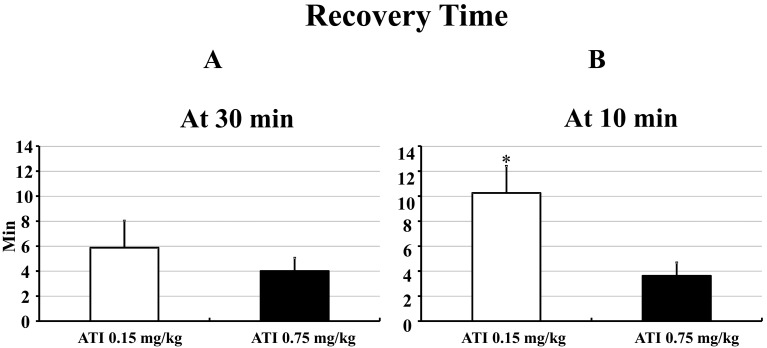
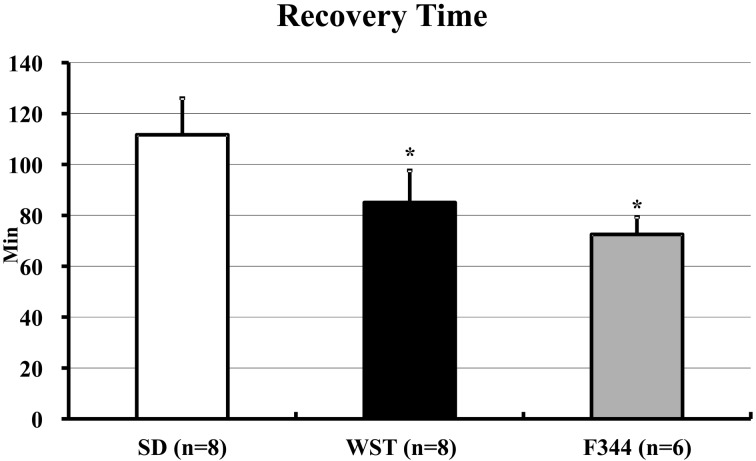
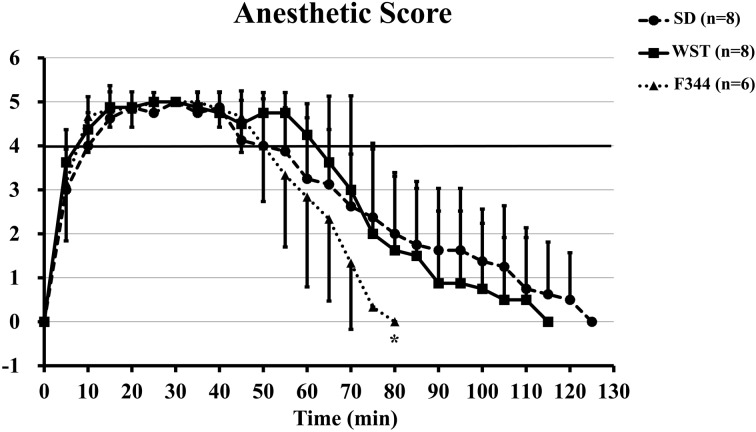
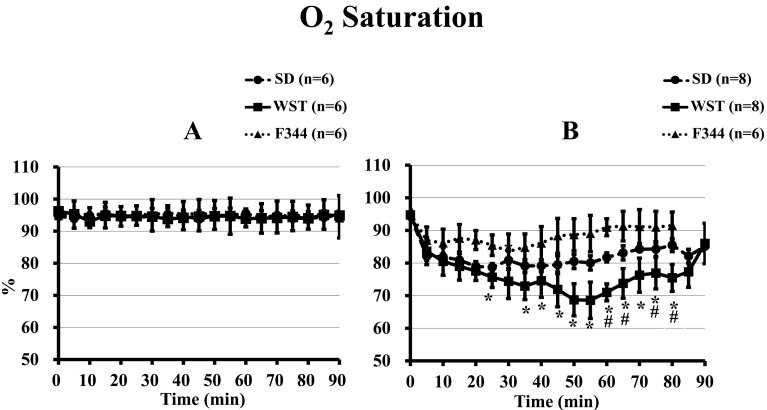
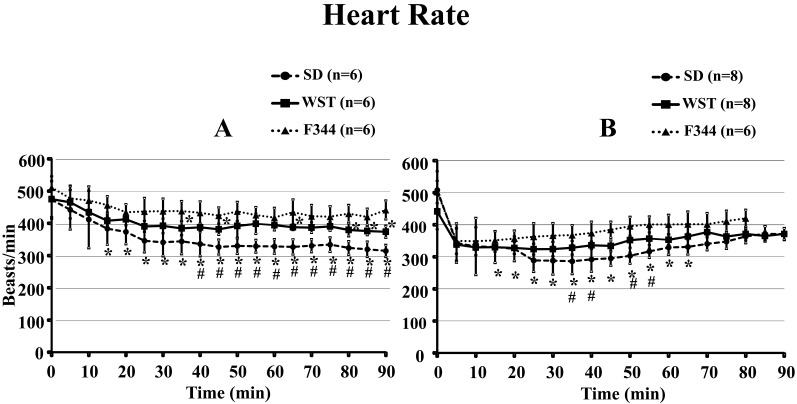
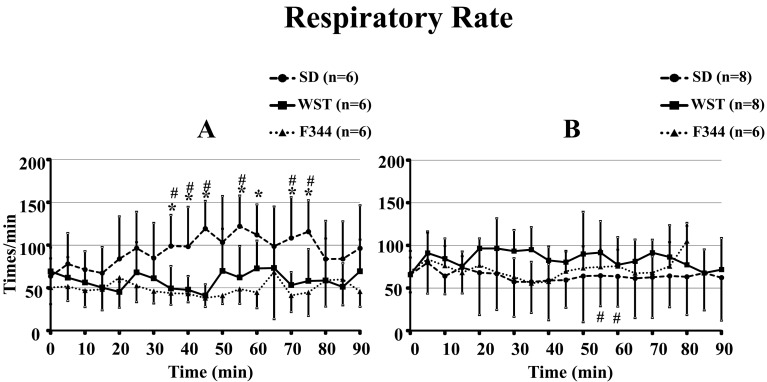
An anesthetic mixture of medetomidine (MED), midazolam (MID), and butorphanol (BUT) has been used in laboratory animals. We previously reported that this anesthetic mixture produced closely similar anesthetic effects in BALB/c and C57BL/6J strains. We also demonstrated the efficacy of atipamezole (ATI), an antagonist of MED that produced quick recovery from anesthesia in mice. Anesthetics have various anesthetic effects among animal strains. However, the differences in the effects of anesthetic mixtures in rats are unclear. In the present study, we first examined effects of the abovementioned anesthetic mixture using three different rat strains: Wistar (WST), Sprague-Dawley (SD), and Fischer 344 (F344). Second, we examined how different dosages and optimum injection timing of ATI affected recovery from anesthesia in rats. We used the anesthetic score to measure anesthetic duration and a pulse oximeter to monitor vital signs. We found no significant differences in anesthetic duration among the three different strains. However, recovery from anesthesia in the SD strain took significantly longer than in the other strains. The antagonistic effects of ATI (0.15 mg/kg and 0.75 mg/kg) were equivalent when administered at 30 min after anesthetic mixture administration. The antagonistic effects of ATI 0.75 mg/kg were stronger than those of ATI 0.15 mg/kg at 10 min after anesthetic mixture administration. This anesthetic mixture is a useful drug that can induce similar anesthetic effects in three different strains and has an antagonist, ATI, that makes rats quickly recover from anesthesia. These results may contribute to the welfare of laboratory animals.
美托咪定(MED)、咪达唑仑(MID)和布托啡诺(BUT)的麻醉混合剂已用于实验动物。我们之前报道过这种麻醉混合剂在BALB/c和C57BL/6J品系中产生的麻醉效果极为相似。我们还证实了阿替美唑(ATI)的功效,它是MED的拮抗剂,能使小鼠快速从麻醉中苏醒。不同动物品系对麻醉剂有不同的麻醉效果。然而,麻醉混合剂对大鼠的影响差异尚不清楚。在本研究中,我们首先使用三种不同的大鼠品系:Wistar(WST)、Sprague-Dawley(SD)和Fischer 344(F344),检测上述麻醉混合剂的效果。其次,我们研究了不同剂量和最佳注射时间的ATI对大鼠麻醉苏醒的影响。我们使用麻醉评分来测量麻醉持续时间,并使用脉搏血氧仪监测生命体征。我们发现三种不同品系的麻醉持续时间没有显著差异。然而,SD品系从麻醉中苏醒的时间明显长于其他品系。在给予麻醉混合剂30分钟后给予ATI(0.15 mg/kg和0.75 mg/kg),其拮抗作用相当。在给予麻醉混合剂10分钟后,ATI 0.75 mg/kg的拮抗作用强于ATI 0.15 mg/kg。这种麻醉混合剂是一种有用的药物,能在三种不同品系中诱导相似的麻醉效果,并且有一种拮抗剂ATI,可使大鼠快速从麻醉中苏醒。这些结果可能有助于实验动物的福利。