Department of Marmoset Biology and Medicine, Central Institute for Experimental Animals, 3-25-12 Tonomachi, Kawasaki-ku, Kawasaki, Kanagawa 210-0821, Japan.
Live Animal Imaging Center, Central Institute for Experimental Animals, 3-25-12 Tonomachi, Kawasaki-ku, Kawasaki, Kanagawa 210-0821, Japan.
Exp Anim. 2023 May 17;72(2):140-150. doi: 10.1538/expanim.22-0107. Epub 2022 Nov 25.
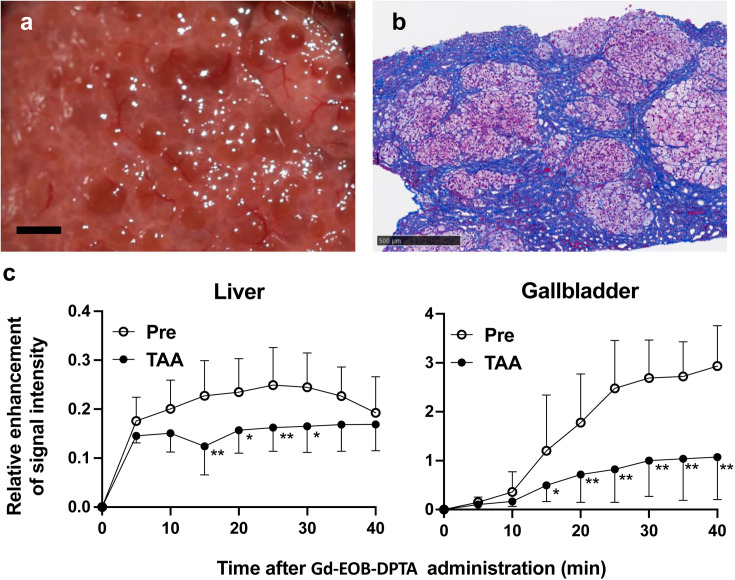
The common marmoset, Callithrix jacchus, is increasingly being used as the preferred nonhuman primate (NHP) model in biomedical research. Marmosets share several physiological and biological similarities with humans, as a Simiiformes species, and their use in research programs advances knowledge in several fields. Their unique characteristics, such as their small size, high fecundity, and rapid growth, offer additional advances in laboratory settings. This article reviews the developments in experimental disease models using marmosets based on our experience at the Central Institute for Experimental Animals (CIEA) in Japan. The development of genetically modified marmoset models using advanced genome editing technology is attracting researchers, particularly in neuroscience-related fields. In parallel, various marmoset models of human diseases induced by surgery or drug administration have contributed to preclinical and translational studies. Among these are models for Parkinson's disease induced by 1-methyl-4-phenyl-1,2,3,6-tetrahydropyridine, spinal cord injury models, a model for type 1 diabetes induced by the combination of partial pancreatectomy and streptozotocin administration, and a hepatic fibrosis model induced by thioacetamide. The development of these models has been supported by refinements in veterinary care, such as the careful design of anesthetic protocols and better understanding of pathogenic microorganisms. In the second part of this review, we present a compilation of practices currently in use at CIEA that provide optimal animal care and enable safe experimentation.
普通狨猴(Callithrix jacchus)作为生物医学研究中首选的非人类灵长类动物(NHP)模型,其应用日益广泛。狨猴作为灵长目物种,与人类具有许多生理和生物学上的相似之处,其在研究计划中的应用有助于推进多个领域的知识。它们独特的特征,如体型小、繁殖力强和生长迅速,为实验室环境提供了额外的优势。本文综述了日本中央实验动物研究所(CIEA)基于我们的经验,在利用狨猴建立实验性疾病模型方面的进展。利用先进的基因组编辑技术开发基因修饰狨猴模型吸引了研究人员的关注,特别是在神经科学相关领域。与此同时,通过手术或药物给药诱导的各种狨猴人类疾病模型为临床前和转化研究做出了贡献。其中包括:1-甲基-4-苯基-1,2,3,6-四氢吡啶诱导的帕金森病模型、脊髓损伤模型、部分胰腺切除术和链脲佐菌素给药联合诱导的 1 型糖尿病模型以及硫代乙酰胺诱导的肝纤维化模型。这些模型的开发得到了兽医护理方面的改进的支持,例如仔细设计麻醉方案和更好地了解致病微生物。在本文的第二部分,我们介绍了日本中央实验动物研究所目前使用的最佳动物护理和安全实验实践。